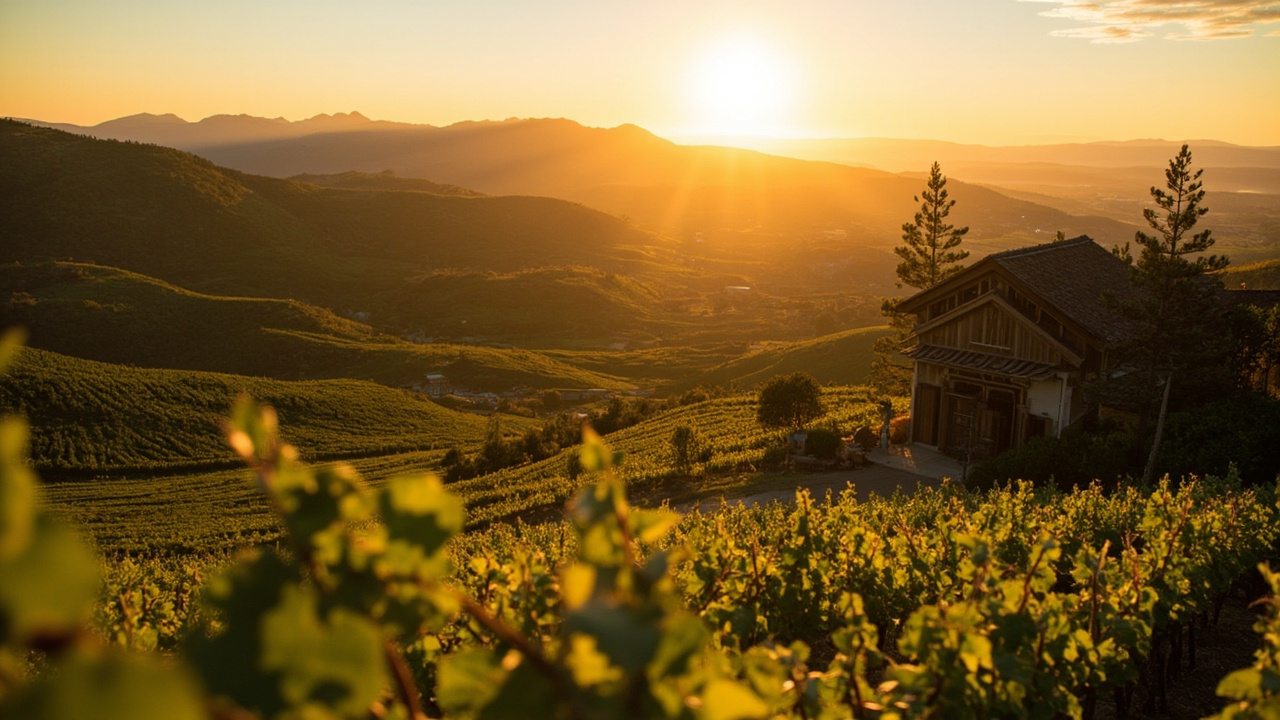
Hunter Valley Seasons, When to Visit Australia's Oldest Wine Region
I've Been to the Hunter Valley in Every Season, Here's the Truth
I booked a Hunter Valley tour in January thinking summer meant perfect weather. It was 38 degrees, the aircon in the minibus was struggling, and the red wine tasting felt like a punishment. The Semillon was fine, crisp, cold, refreshing, but by the third cellar door I was sweating through my shirt and making bad decisions. I bought a case of Shiraz I didn't need because the tasting room had air conditioning and I didn't want to leav
The Hunter Valley is a 2, 2.5 hour drive from Sydney via the F3 freeway. It's Australia's oldest wine region, and it does something most regions don't: it makes Semillon, one of the most age-worthy white wines in the country, alongside a medium-bodied Shiraz that's completely different from the Barossa bruisers. But the experience of visiting changes dramatically depending on when you go.
Here's the honest breakdown of each season, based on multiple visits across every month of the year.
Summer (December, February): Peak Season, Peak Heat, Peak Crowds
Summer in the Hunter Valley means 30, 40°C days. The vines look good, lush, green, full, but you'll be sharing every cellar door with dozens of other people. Weekends require bookings 2, 3 weeks ahead for the good tours. I've done the Hunter Valley Wine Tour from Sydney in January and it works if you take the earliest departure, usually 7, 8 AM, because you hit the cellar doors before the heat peaks and the crowds arrive. But don't kid yourself: lunch at 1, 2 PM in summer means sitting outside in full sun unless you book a restaurant with air conditioning.
What I'd do differently: pack a water bottle (tour vehicles have water but not always enough for a full day in Australian summer), wear a hat, and skip the red-heavy tasting itineraries. Focus on Semillon and sparkling. If you're doing a tour, ask your guide which wineries waive tasting fees with purchase, they know which ones do and don't.
Autumn (March, May): Vintage Season, Golden Light, Best Overall
Autumn is the Hunter Valley at its best. The weather drops to a comfortable 18, 28°C, the leaves turn gold and red, and it's harvest time, which means the wineries are buzzing with activity. March is particularly good because the vintage is in full swing and you might see grapes coming in. The Hunter Valley Small-Group Wine Tasting Tour runs smaller groups in autumn, 8, 12 people instead of the summer coach loads, and the guides have more time to talk you through the wines.
The Hunter Valley Wine and Food Festival runs May, June, which is a good reason to visit in late autumn. But be warned: the wineries are busiest during vintage because they're actually making wine. Staff are stretched thin. You'll get better attention from cellar door staff in winter, but the energy is better in autumn.
One thing I learned the hard way: never buy wine at the first cellar door of the day. Your palate isn't awake yet and everything tastes impressive when you're fresh. Wait until stop two or three before pulling out the credit card. I made that mistake at a cellar door in Pokolbin and ended up with a $65 bottle that was fine, just fine, while the $32 Semillon I bought at the fourth stop is still in my cellar, improving.
Winter (June, August): Quiet, Cold, and the Best for Serious Drinkers
In June, I had Tyrrell's cellar door almost entirely to myself. The winemaker poured me a 15-year-old Semillon and talked for 20 minutes about the vintage. Winter is the secret season for serious wine people. Temperatures sit around 8, 18°C, the fires are lit in the cellar doors, and the staff have time to actually talk about what they're pouring.
But there's a catch. I drove up on a Tuesday in August to find 4 of the 6 cellar doors I wanted to visit were closed. Many smaller cellar doors close Monday, Tuesday outside peak season. Always check opening days before the 2.5-hour drive. The Hunter Valley Gourmet Food and Wine Tour operates year-round and solves the closed-door problem, the operators know which cellar doors are open and plan the route accordingly. I took this tour in July and it was the best decision I made that trip.
Winter is also the best time to focus on reds. Hunter Valley Shiraz is medium-bodied, think pepper, red fruit, and savoury notes, and it pairs beautifully with the kind of hearty food you want in winter. The fireside tables at cellar door restaurants book out weeks ahead, even in the quiet season. Melbourne locals do their wine weekends in the Yarra Valley in winter, and the same applies here: book ahead for lunch.
Spring (September, November): Wildflowers, New Releases, and Good Availability
Spring in the Hunter Valley is mild, 15, 25°C, with gardens in bloom and the new vintage releases starting to hit the shelves. Availability is good, crowds are moderate, and the weather is the most comfortable of the year for wine touring. The vines are flowering, which means the landscape is green without the oppressive heat of summer.
Spring is the season I recommend for first-time visitors. You get the best of both worlds: decent weather, manageable crowds, and cellar doors that are fully staffed and open. The Semillon from the previous vintage is usually available for tasting by October, and it's worth asking for the 'back vintage' tastings, many cellar doors have older vintages available if you ask specifically. I did this at a small producer in Lovedale and tasted a 2015 Semillon that was just starting to show the honey and toast notes that aged Hunter Semillon is famous for.
The Month That Changed How I See the Hunter Valley
The Hunter Valley Monday That Didn't Exist, that's what I call August 2022. Two cellar doors with 'Closed' signs, one restaurant that was 'kitchen renovation this week,' and a winery that was open but serving from plastic cups because the dishwasher was broken. I sat in the car and ate a service station sandwich, wondering why nobody had told me that the Hunter Valley effectively shuts down on Mondays and Tuesdays outside peak season.
That trip taught me the single most important rule of Hunter Valley wine touring: never visit on a Monday or Tuesday without checking what's open first. Even in summer, some smaller cellar doors close early in the week. The big names, Tyrrell's, Brokenwood, McGuigan, are generally open 7 days, but the smaller producers that offer the most interesting experiences often aren't.
If you're planning a trip, book a tour that handles the logistics. The 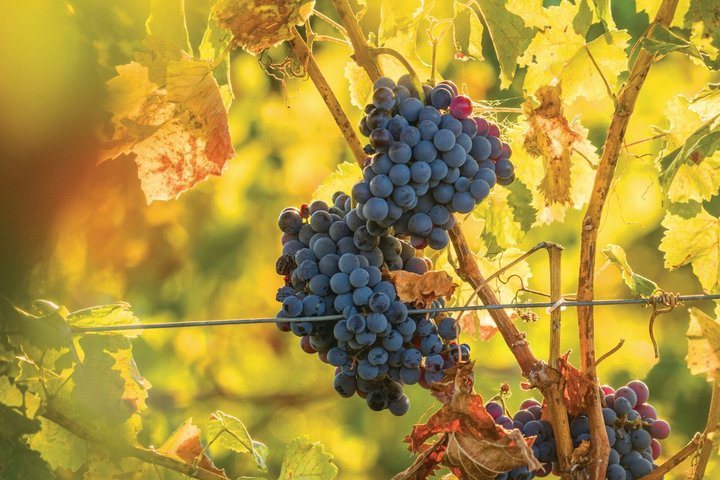 Hunter Valley Wine Tour from Sydney picks up from the CBD and includes a guide who knows which cellar doors are open. It's worth the extra cost over driving yourself, especially if you're visiting midweek.
Product: Hunter Valley Gourmet Food and Wine Tour, Surprisingly Great in Low Season
Hunter Valley Gourmet Food and Wine Tour
This tour runs year-round with small groups (max 12) and includes lunch at a proper restaurant, not a cold sandwich in a park. I took it in July and the guide knew exactly which cellar doors were open and which had fires going. The food pairing component is genuinely educational, not just a cheese platter. Downside: it's more expensive than the basic tours, but the difference between a $99 and $199 tour is the difference between a bad day and a great on
Check Availability →Packing Lessons I Learned the Hard Way
I've made every packing mistake you can make on a Hunter Valley wine tour. Here's what I've learned:
Sunscreen is non-negotiable. Even in winter, Australian UV is intense and you'll be outside between cellar doors. I got burned in July once, July, because I assumed the cold meant I didn't need it. Wrong.
Layers are essential. The temperature difference between a 35°C summer day and an air-conditioned cellar door is brutal. In winter, the fire-warmed tasting rooms contrast with cold outdoor spaces. A light jacket or cardigan that you can take on and off is the mov
Bring a water bottle. Most tour vehicles have water but not always enough for a full day in Australian summer. I've been on tours where the driver had a single 1.5L bottle for 12 people. Pack your own.
Eat a proper breakfast before a wine tour. Lunch is usually 1, 2 PM and you'll be tasting on an empty stomach otherwise. I've seen people, myself included, make expensive purchasing decisions because they were hungry and the wine hit harder.
Download offline maps. Mobile reception in parts of the Hunter Valley is patchy, especially around the Brokenback Range. Google Maps offline mode has saved me more than onc
What I Wish I'd Known Before I Went
I've visited the Hunter Valley across every season, and these are the things I wish someone had told me before my first trip.
Book the earliest departure slot. If your tour offers a 7, 8 AM pickup, take it. You'll hit cellar doors before the crowds and get better attention from staff. The sommelier at Domaine Chandon remembered me from a visit two years earlier because I was there at 10 AM on a Tuesday, they have time to engage when it's quiet.
Ask about tasting fee refundability. Some premium cellar doors keep the fee regardless of purchase. I paid $50 at a well-known producer in Eden Valley and the pour sizes were 15ml at most. The flagship wine wasn't available to taste at any price. Always ask before you start.
Check whether tasting fees are included in your tour price. Some operators charge tasting fees on top of the tour cost. Read the fine print. A $99 tour that adds $15 per cellar door for tastings ends up costing more than a $199 all-inclusive tour.
Don't try to visit two wine regions in one day. The drive between the Hunter Valley and other NSW wine regions is 2+ hours each way. You'll spend more time in the car than tasting. Pick one region and do it properly.
If you're serious about buying wine, bring a checked bag or ask about shipping. Most wineries ship domestically, but international shipping is expensive and risky. I've had bottles arrive broken. If you're flying home, pack a wine shipper or use the winery's shipping servic
Winter wine touring means fewer crowds and more time with cellar door staff, but check opening hours. The Hunter Valley Monday That Didn't Exist taught me that lesson. Some of the best experiences I've had in the Hunter were in winter, but only because I did my research first.
More Wine Tours Worth Your Money
When you book through our links, we may earn a commission at no extra cost to you.
Explore More Wine Country
- Hunter Valley Guide — Everything you need to know about Australia's oldest wine region
- Best Hunter Valley Wine Tours — Compare all tour types and operators
- Wine Tours from Sydney — Day trips to every NSW wine region
- Barossa Valley Seasons — How South Australia's seasons compare