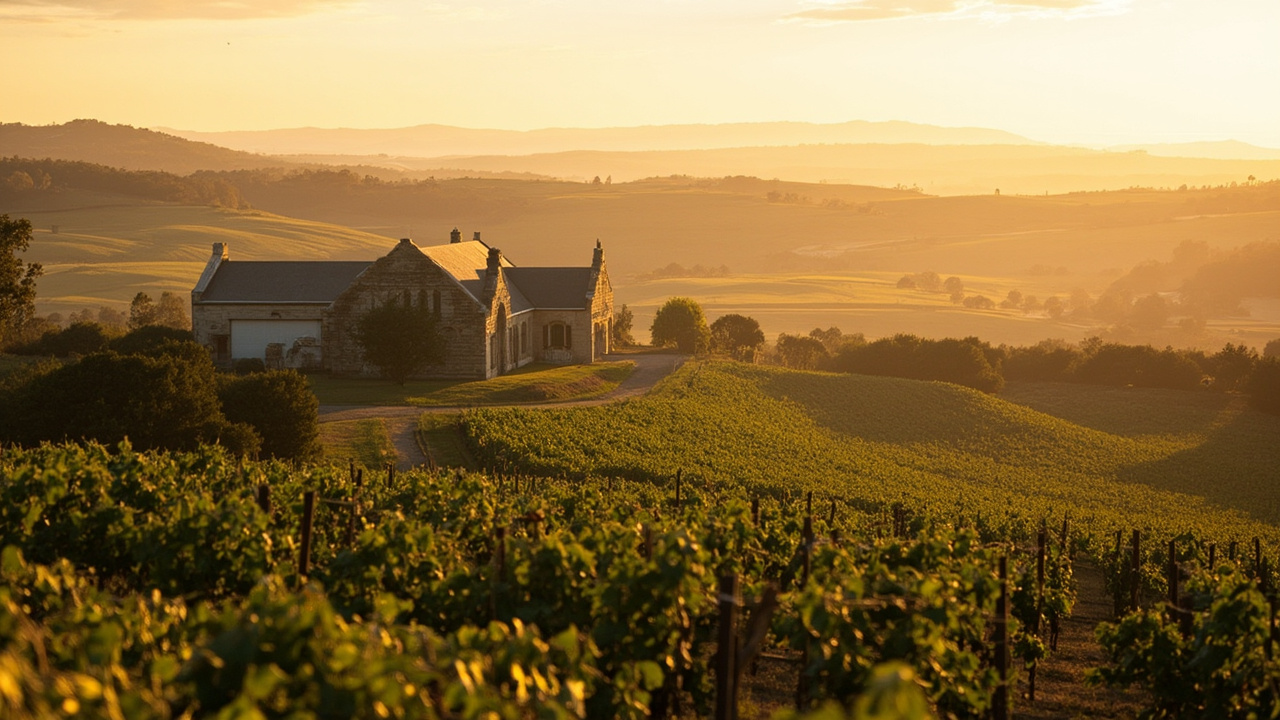
Barossa Valley Seasons — A Complete Guide
I've Been to Barossa Valley in Every Season — Here's the Truth
People assume Barossa is best in summer. I went in January — 40 degrees, packed cellar doors, tasting fees doubled from winter rates. The air conditioning at Penfolds was too cold, the glass was too small for a proper swirl, and the pour was barely enough to coat the tongue. The Grange wasn't even on the tasting menu. That $50 tasting fee changed how I write about Barossa. Premium brand cellar doors don't always deliver value — I now steer readers to smaller producers where the tasting fee actually buys you an experience.
Winter in the Barossa is brilliant — misty mornings, open fires at Rockford, and winemakers who actually have time to talk. I drove up from Adelaide on a June Saturday and had the cellar door at St Hallett almost to myself. The guide spent 45 minutes walking me through the old-vine blocks without a single glance at his watch. Try getting that attention in January.
Here's the breakdown by season so you can decide what works for your trip:
- Summer (Dec–Feb): Peak season, hot (30–40°C in Barossa), book 2–4 weeks ahead for weekends. Tasting fees creep up. Bring a water bottle — most tour vehicles have water but not always enough for a full day in Australian summer.
- Autumn (Mar–May): Harvest/vintage season, beautiful foliage, busy but not peak. The best time for food-and-wine pairings because restaurants feature just-picked produce.
- Winter (Jun–Aug): Quiet season, cooler (8–18°C), best time for red wine by the fire, fewer tours operating. Check opening hours — some cellar doors close midweek in winter.
- Spring (Sep–Nov): Wildflowers, moderate temperatures, good availability, new vintage releases. My personal favourite — you get the freshness of the new wines without the summer heat.
One scorching February day in the Barossa with four cellar doors, no air-con in the minibus, and everyone too hot to taste red wine taught me: book the earliest departure slot (7–8 AM). You'll hit cellar doors before the crowds and get better attention from staff. I booked the Barossa Valley Hop-On Hop-Off Wine Tour from Adelaide on a summer Saturday and had the first tasting at 9:30 AM — the cellar door staff were still setting up and happily poured me the reserve wines before the rush.
Barossa Valley Hop-On Hop-Off Wine Tour from Adelaide — Best in Peak Season
The most flexible way to do Barossa — pick your cellar doors, set your own pace. Best value for independent travellers. I've used this tour three times now, and it's the only option that lets you skip the wineries you don't like and linger at the ones you do. The bus runs every 45 minutes between 20 stops, and you can stay at one cellar door for two hours if the tasting is good.
Who it's NOT for: Anyone who wants a guide to explain the wines — this is a transport service, not a guided tour. Also not for large groups who need to stay together.
Barossa Valley Hop-On Hop-Off Wine Tour from Adelaide
The most flexible way to do Barossa — pick your cellar doors, set your own pace. Best value for independent travellers. Downside: no guide commentary, and you're responsible for your own lunch arrangements.
Check Availability →The Month That Changed How I See Barossa Valley
I walked into Pewsey Vale in Eden Valley on a 38°C February morning — the kind of heat where the bitumen shimmers. I expected to go through the motions with Riesling, treat it as filler between Shiraz stops. The winemaker poured a 2012 Riesling that cost $32. It tasted like it was three years old — lime zest, wet stone, extraordinary acidity. I bought a case. It's still the best value purchase I've made in the Barossa. Eden Valley Riesling is the Barossa's sleeper category — while everyone fights over $80 Shiraz, you can buy top-tier aged Riesling for $32. And it ages longer than most reds.
That same trip, I learned the hard way about tasting order psychology. At a Barossa cellar door in May 2024, the first pour was a $180 single-vineyard Shiraz — dense, powerful, impressive. The second pour was a $45 blend from the same producer — more balanced, more food-friendly, genuinely the better wine. But because the expensive one came first, my palate was anchored to the higher price point. I nearly bought the $180 bottle before catching myself. Cellar door tasting order is psychology, not education. The most expensive wine is poured first because it sets the price anchor. Ask to taste the mid-range wines again before you buy — the best value is rarely the first thing in your glass.
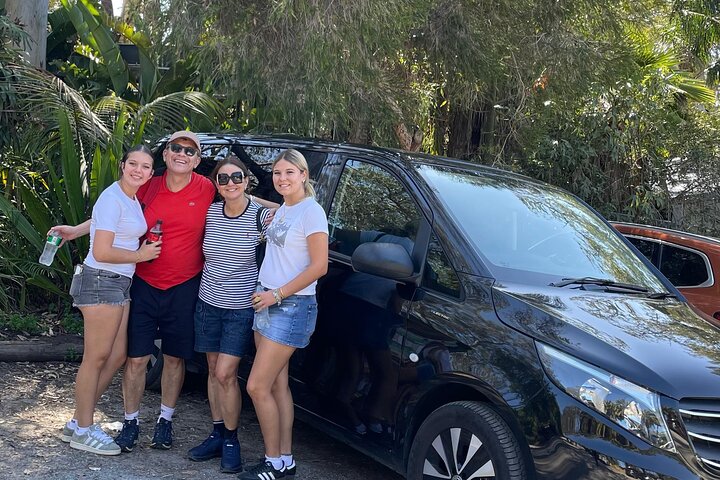
If you're visiting in low season (winter or spring), the small-group tours are where the value shifts dramatically. I booked the From Adelaide: 5 to 7 People Personal Barossa Valley Tour on a cold July morning, and the operator customised the route based on my preference for old-vine Grenache over Shiraz. The guide knew which cellar doors had the fires lit and which ones would waive the tasting fee if I bought a case. That kind of insider knowledge is worth paying for.
From Adelaide: 5 to 7 People Personal Barossa Valley Tour — Surprisingly Great in Low Season
Premium small-group option with a dedicated guide. The operator customises the route based on your wine preferences. In winter, when cellar doors are quieter, this tour gets you access to winemakers who'd normally be too busy to chat. The lunch is at a proper restaurant — not a cold sandwich in a park.
Who it's NOT for: Budget travellers — this costs more than the hop-on hop-off option. Also not for solo travellers who prefer to meet other people on the tour; the group is your own party.
From Adelaide: 5 to 7 People Personal Barossa Valley Tour
Premium small-group option with a dedicated guide. The operator customises the route based on your wine preferences. Downside: higher price point, and you need at least 4 people to make it cost-effective per person.
 Check Availability →
Packing Lessons I Learned the Hard Way
I've done the Barossa in every season, and I've made every packing mistake you can make. Here's what actually matters:
- Sunscreen is non-negotiable — even in winter, Australian UV is intense and you'll be outside between cellar doors. I learned this in June when I got burned between two cellar doors in 15 minutes.
- Bring a water bottle — most tour vehicles have water but not always enough for a full day in Australian summer. On that 40°C January day, the bus ran out of water by 2 PM.
- Layers, layers, layers — even in summer, air-conditioned tour vehicles and cellar doors can be cold. In winter, you need a jacket for the morning mist and the fireside afternoons.
- Download offline maps — mobile reception in the Barossa Ranges and parts of Margaret River is patchy. I've been stuck without navigation between Angaston and Eden Valley more times than I'll admit.
- Eat a proper breakfast before a wine tour — lunch is usually 1–2 PM and you'll be tasting on an empty stomach otherwise. The Barossa Farmers Market at Angaston (open 7:30–11:30 AM every Saturday) is where the locals eat — bacon and egg roll from the BBQ stall, German butcher's mettwurst, and the coffee van that always has a 15-person queue by 9 AM.
One thing nobody mentions: the Yarra Valley Traffic Jam That Cost Me a Tasting. Left Melbourne at 9:30 AM on a Saturday thinking I had plenty of time. Hit gridlock at Lilydale — two lanes funneled into one, a caravan doing 40km/h, and a prang outside Coldstream. Arrived at Oakridge at 11:10 for my 10:30 booking. They'd given my table away and the next available slot was 2 PM. I sat in the car and ate a servo sandwich. Lesson: leave Melbourne by 8:00 AM on weekends. The Maroondah Highway between 9:30–11:00 AM on a Saturday is a carpark — and Yarra Valley cellar doors don't hold bookings.
Same principle applies in Barossa. Leave Adelaide by 7:30 AM. The drive is 60–75 minutes, and you want to be at your first cellar door by 9 AM. The 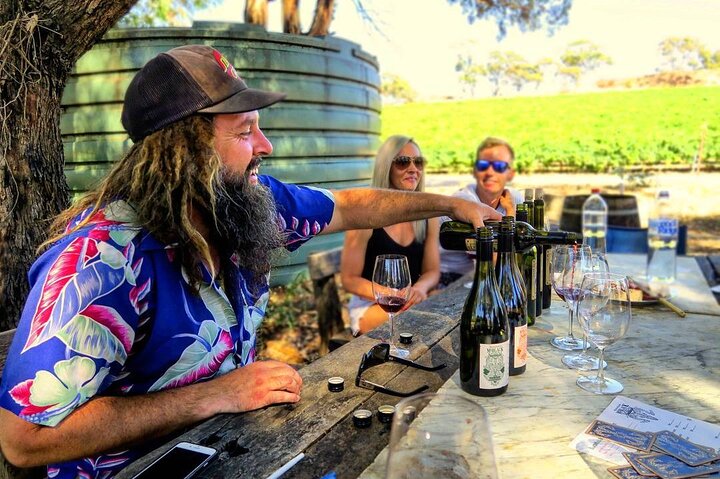 Micro-Group Barossa Valley Wine Tour from Adelaide picks up at 7:30 AM and has you tasting by 9:15 — that early start means you hit the best cellar doors before the 11 AM rush.
What I Wish I'd Known Before I Went
I've been visiting the Barossa for seven years. I've paid the stupid tax so you don't have to. Here's the stuff nobody puts in the glossy brochures:
- Ask your tour guide which wineries waive tasting fees with purchase. They know which ones do and don't. At Henschke in Eden Valley, I paid a $50 tasting fee that wasn't refundable with purchase — pour sizes were 15ml at most, and the Hill of Grace wasn't available to taste at any price. A couple next to me spent $180 on tastings and bought nothing. Always ask about tasting fee refundability before you start.
- Never buy wine at the first cellar door of the day in Barossa. Your palate isn't awake yet and everything tastes impressive when you're fresh. Wait until stop two or three before pulling out the credit card.
- Check what lunch is included in your tour price. Some tours serve a cheese platter and call it lunch. The
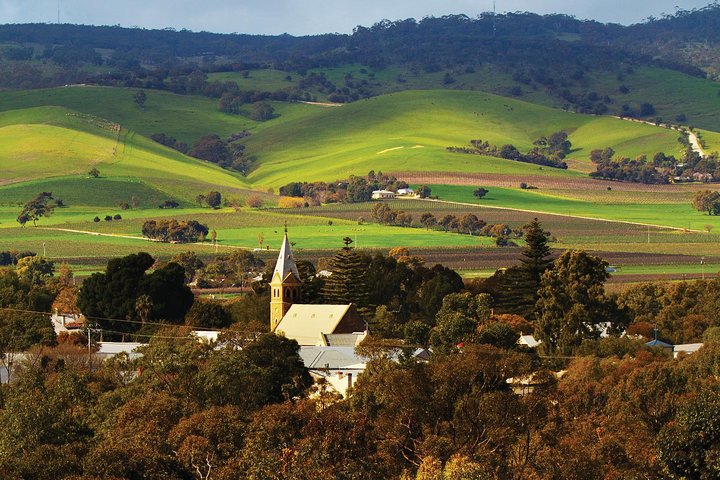 Barossa Valley Hop-On Hop-Off Wine Tour from Adelaide doesn't include lunch at all — you buy your own at Maggie Beer's Farm Shop or one of the cellar door restaurants. The micro-group tour includes a proper restaurant lunch, which is worth the extra cost.
 - Don't try to visit two wine regions in one day. The drive between Barossa and McLaren Vale is 90+ minutes each way. I've seen people try it and arrive at the second region too tired and too full to enjoy anything. Stick to one region per day.
- Winter wine touring (June–August) means fewer crowds but check opening hours. Many cellar doors close Monday–Tuesday in winter. The Hunter Valley Monday That Didn't Exist taught me this: two cellar doors with 'Closed' signs, one restaurant that was 'kitchen renovation this week,' and a winery that was open but serving from plastic cups because the dishwasher was broken. Never visit a wine region on a Monday or Tuesday without checking what's open first.
- The Adelaide Hills is a 25-minute detour from the Barossa on the way back to Adelaide. Shaw + Smith and The Lane are worth the deviation if you're driving yourself. The Adelaide Hills Sauvignon Blanc is nothing like the New Zealand style — more texture, less grass, a minerality that made me rethink the variety entirely.
- If a Barossa cellar door charges $15+ for standard tasting, ask for the 'premium' or 'reserve' flight. The standard tasting at these places serves second-tier wines that don't represent the producer. The premium flight costs more but shows you what the winery can actually do.
- Bring a checked bag or ask about shipping if you're serious about buying wine. Most wineries ship domestically. I bought a case of that Pewsey Vale Riesling and had it shipped to Melbourne for $25 — cheaper than checking a bag on the flight.
The Barossa Valley seasons each offer something different. Summer is for the energy and the events. Autumn is for the harvest festivals. Winter is for the fireside chats with winemakers. Spring is for the new releases and the wildflowers. Pick the season that matches your personality, not the one that looks best on Instagram. And whatever you do, book the early departure — your palate will thank you.
More Barossa Valley Wine Tours Worth Your Money
When you book through our links, we may earn a commission at no extra cost to you.
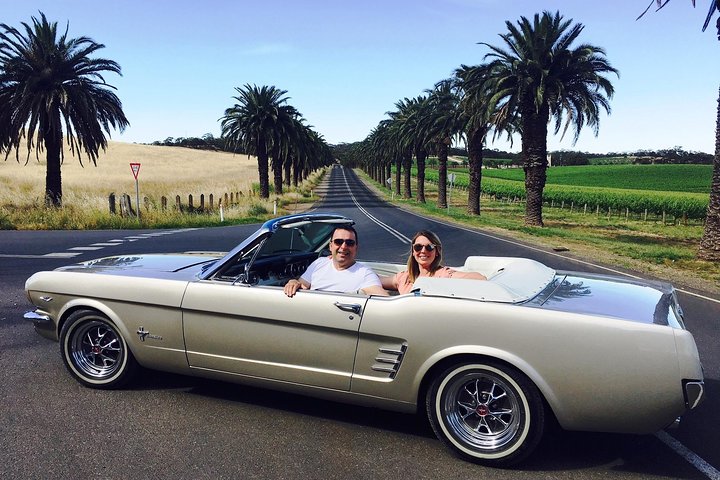
Barossa Uncut: Half-Day Classic Mustang Convertible Tour
Half-day private tour in a classic Mustang. Style, wind, and 3 cellar doors.
 Check Availability on Viator →
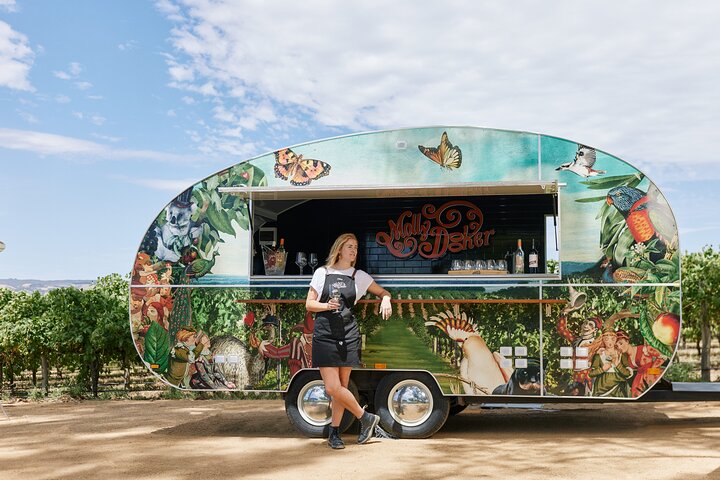
Barossa Valley Full-Day Wine Tour with Lunch
Solid all-day option covering 4-5 wineries with a seated lunch. Reliable value.
 Check Availability on Viator →