New South Wales · Australia
Hunter Valley: How to Spend One Day Without Wasting It
Two hours from Sydney. Semillon country. The cellar doors worth the drive, the one to skip, and why this is a day trip, not a weekend.
Two hours from Sydney. Semillon country. The cellar doors worth the drive, the one to skip, and why this is a day trip, not a weekend.
I have done 38 cellar door tastings in the Hunter across small-group tours, a couple of self-drive weekends, and one disastrous coach trip with 52 retirees who treated every winery like a bathroom stop. The Hunter is different from the Barossa, Margaret River, or the Yarra in one structural way: it is a day-trip region. Most visitors drive up from Sydney in the morning, hit four or five cellar doors, eat lunch at a vineyard restaurant, and drive home that evening. That format works. Staying overnight works too, but it is not required, and any tour operator who tries to sell you a two-day Hunter experience is upselling.
Some links below are affiliate links. If you book through them we may earn a small commission at no extra cost to you, which helps keep this site running.
Compare Hunter Valley day tours from Sydney
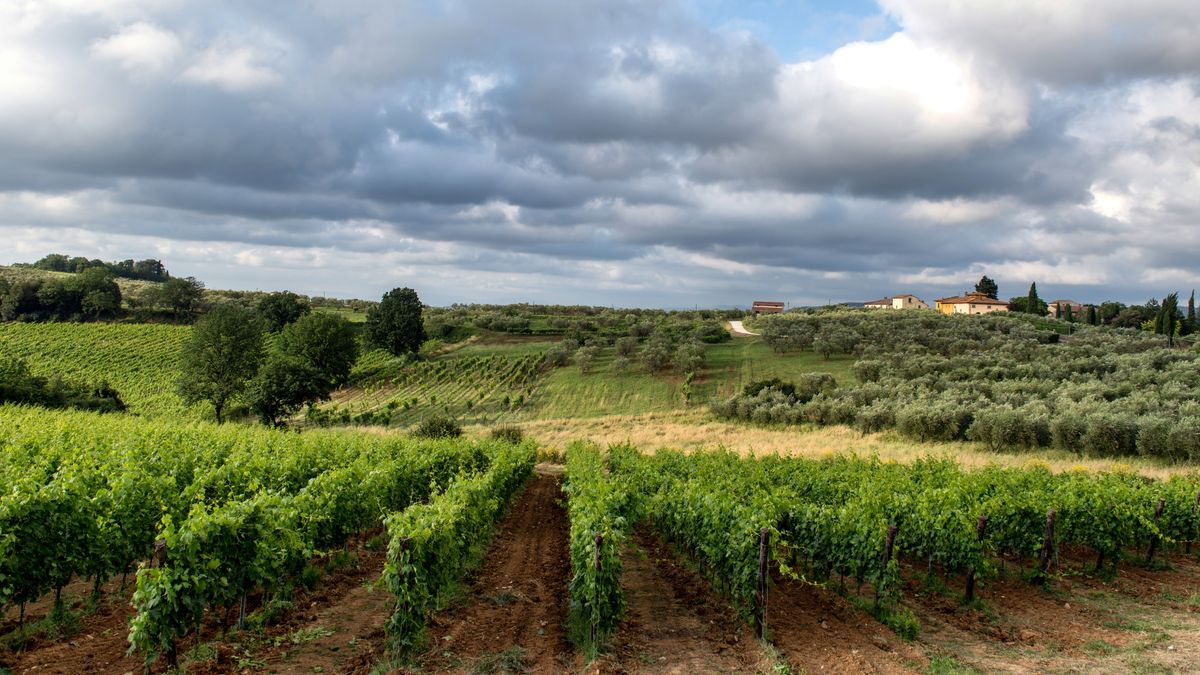
The Hunter Valley is a patchwork of sub-regions spread across the lower Hunter around Pokolbin and the upper Hunter further north. The climate is warm and humid by Australian standards, with summer rain that creates disease pressure the Barossa and Margaret River never have to deal with. The soils are heavy clay on the flats and broken shale on the hillsides, which is why some of the best vineyards are on slopes that look uncomfortably steep for a tractor.
Two grape varieties define the region. The first is shiraz, which here is medium-bodied, earthy, and often made in a style that emphasises tannin over fruit. The second, and the one nobody talks about enough, is semillon. Hunter semillon is the most underrated white wine in Australia. It ages for 20+ years and costs $25 a bottle. A young Hunter semillon is lean, austere, almost mean. After five years in bottle it develops toast, honey, and a waxiness that has no real equivalent in the wine world. A 20-year-old Hunter semillon from a good producer is one of the great white wine experiences on earth, and almost nobody outside Australia knows it exists.
If you only drink one wine in the Hunter, drink semillon from a producer who has been making it for at least 30 years. If you drink two, add shiraz, and taste it side by side with the Barossa shiraz you may have had the year before. They are different wines. The Barossa shiraz is dense and fruit-forward. The Hunter shiraz is earthy, savoury, and built to age. Both are correct. Neither is better.
The Hunter has more cellar doors than any other Australian wine region, somewhere north of 150 depending on how you count the small ones. Most Hunter day tours hit four to five. If those four do not include at least two of the three below, the operator is padding the itinerary with stops that are easier to book, not better to drink at.
Tyrrell's in Pokolbin has been making wine on the same site since 1858. They own the oldest semillon vineyard in the world, the vines planted in the same year the winery was founded. Their Vat 1 Semillon is the wine to taste. It is released young, it is meant to be aged, and the cellar door will pour you a current release alongside older vintages from the museum if you ask. Tyrrell's also makes some of the most ageworthy chardonnay in Australia, which surprises visitors who associate the Hunter only with reds.
The Tyrrell's cellar door is functional rather than scenic. It is a working winery, not a wedding venue. That is part of why I prefer it. The staff know the wines, they know the vintage variation, and they will tell you when a wine is past its window. Most Hunter cellar doors will not do that.
Brokenwood is in the heart of Pokolbin, a short drive from Tyrrell's. They are best known for their Graveyard Shiraz, named after the small vineyard block in the Hunter where the original vines are planted among old headstones. It sounds like marketing. It is not. The Graveyard block has been producing shiraz since the 1960s and the wine made from it is genuinely different from anything else in the region. It is also, fairly, one of the more expensive Hunter shiraz you can buy.
Beyond the Graveyard, Brokenwood's standard range is consistently good. Their semillon is worth tasting against Tyrrell's to see which house style you prefer. Their cricket-themed wine names will either charm you or annoy you. The cricket thing is real, the wines are serious.
Audrey Wilkinson is in the foothills on the edge of Pokolbin, slightly elevated above the valley floor. The reason to visit is the view. The cellar door sits on a rise that looks back over the vineyards and the Brokenback Range, and on a clear afternoon it is one of the best views attached to any winery in Australia. The wines are good. The semillon is reliable. The shiraz is decent. None of it is the point. The point is that you should stop here at the end of the day, around 4pm when the light goes long, and drink something you have already tasted twice that day so you can sit on the verandah and not feel rushed.
If your tour operator refuses to add Audrey Wilkinson because the schedule is tight, that tells you something about how the operator plans the day. A good Hunter itinerary has one stop that is about the view and one that is about the wine. Audrey Wilkinson covers both.
If a tour includes lunch at a vineyard restaurant rather than a pub, it is a better operator. This is not about food quality. Vineyard restaurants in the Hunter are largely fine. The reason this matters is operational. A tour that has booked a sit-down lunch at a winery like Muse, Bistro Molynes, or The Orange Tree has planned the day around a fixed schedule with one of the cellar doors. That means the morning stops are timed around the lunch reservation, the afternoon stops are timed around the return drive, and the whole day runs on a clock instead of dragging from one tasting to the next.
Tours that stop at a pub for lunch, or worse, at a service station bakery, have not thought about the day. They have booked four cellar doors and then realised they need to feed people somewhere. The lunch venue is a tell. It tells you whether the operator runs the day or whether the day runs the operator.
The reason I prefer a day tour over driving yourself is the return drive. Two hours each way on the M1 is fine in the morning. After a day of tasting, with the sun in your eyes for the last 40 minutes, it is not fine. A coach means you can taste at Tyrrell's without thinking about the drive back. It also means you can taste the Graveyard Shiraz at Brokenwood without rationing yourself.
Getting there: Two hours from Sydney CBD via the M1. Allow an extra 30 to 45 minutes if you are leaving Saturday morning between 8 and 11. The day tours handle the driving for you. Self-driving is fine if you have a sober driver for the return, and the Pokolbin cellar doors are close enough together that you do not need a plan, just a rough order.
How long: One full day is enough. Pokolbin is the town. Most cellar doors are within a 10-minute drive of each other and a good tour can hit four or five without anyone feeling rushed. If you want to add the upper Hunter sub-region, that is a separate day and a separate drive.
When to go: March to May is harvest. The tanks are loud, the cellar doors are busy, and the wines have just been picked. October to November is spring, the weather is mild and the slopes above Pokolbin turn green. June to August is winter, the cellar doors reduce hours and the morning fog sits in the valley until 10at the, which is actually beautiful if you are not in a hurry.
Booking: Tyrrell's and Brokenwood both take walk-into the most days but prefer advance booking for groups over six. Audrey Wilkinson takes walk-into the. The vineyard restaurants require booking at least a week ahead on weekends. Smaller producers like Mount Pleasant, Keith Tulloch, and De Iuliis do not appear on most day-tour routes and you would need a car to reach them.
If you have your own car or an extra half day, three more cellar doors are worth the visit. Mount Pleasant, owned by McWilliam's Wines, makes some of the most traditional Hunter semillon in the region and their Lovedale Semillon is one of the benchmark wines. Keith Tulloch in Pokolbin makes small-production shiraz and semillon that punches well above its price point, and the cellar door is run by Keith himself most days. De Iuliis in Pokolbin is the pick if you want to taste modern Hunter shiraz made in a slightly richer, more fruit-forward style without losing the regional savouriness. Bookings at all three are recommended and tastings are by appointment for groups.
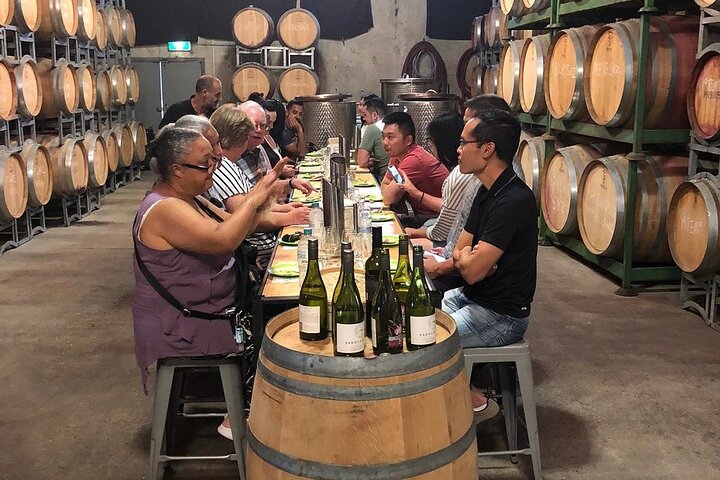
From A$277 · Price checked: Aug 2026
Best for: food-led travellers who want the same qualified chef driving, guiding and framing every pour across the day.
Not for: people unwilling to spend two-plus hours each way from Sydney for a single seamless food-and-wine day.
This is not your average Hunter Valley wine tour. From the moment you leave Sydney, you’re hosted by a qualified chef who is also your driver and guide, creating a seamless food-and-wine experience…
Check availabilityExternal booking on Viator · pricing and cancellations handled by Viator
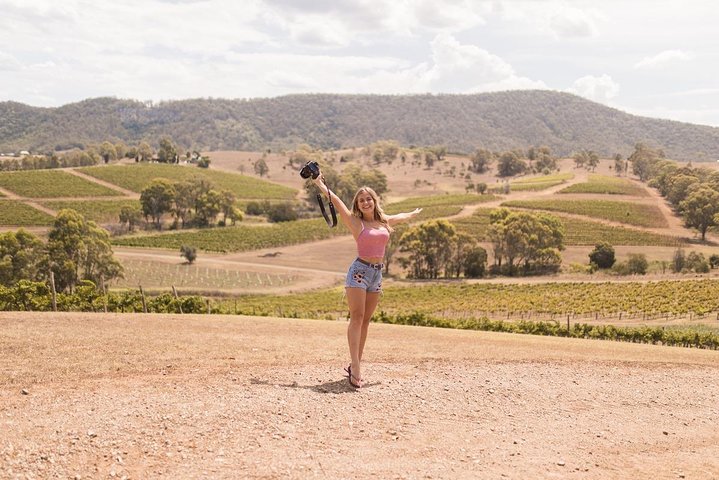
From A$125 · Price checked: Aug 2026
Best for: families or first-timers who want Hunter Valley wildlife alongside the wine, in a group capped at eleven.
Not for: dedicated tasters, since the wildlife stops share the day with the cellar doors on a shared minibus.
Kangarrific Tours is excited to be able to offer you their Wine & Wildlife Tour.. We use a luxury minibus, our groups are small (11 max) & we have the most experienced Hunter Valley guide out of…
Browse tours on ViatorExternal booking on Viator · pricing and cancellations handled by Viator
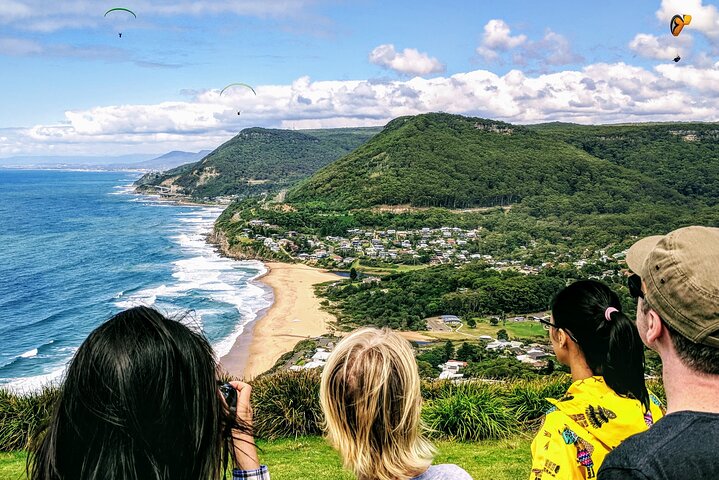
From A$385 · Price checked: Aug 2026
Best for: sightseers who want Australia's oldest national park, the Grand Pacific Drive and the Sea Cliff Bridge in one day.
Not for: travellers focused on cellar doors, since much of this big day south of Sydney is scenic driving.
This big day out to the south of Sydney winds through Australia’s oldest national park, takes in spectacular coastal scenery along the Grand Pacific Drive, traverses the Sea Cliff Bridge, then climbs…
Browse tours on ViatorExternal booking on Viator · pricing and cancellations handled by Viator
More wine regions: Barossa · Yarra Valley · Margaret River · Mclaren Vale
Related guides and comparisons: