We earn a commission when you book through our links on Viator (PID P00299531), at no extra cost to you.
Barossa Valley essentials tour
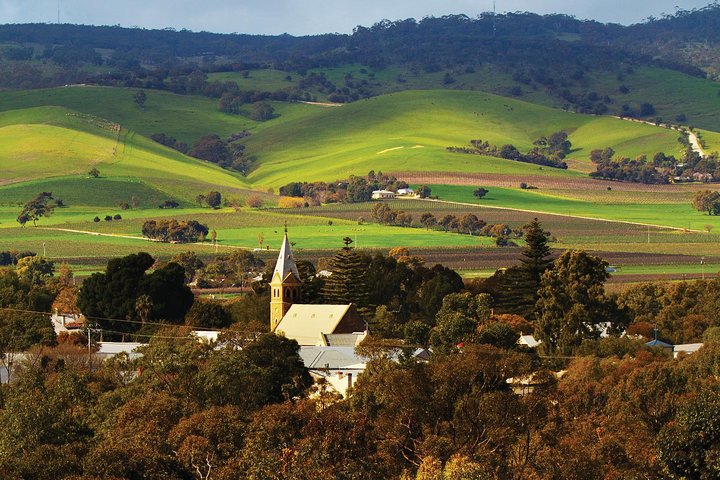
Barossa is 60 minutes from Adelaide. The valley floor is flat. The wineries are close together. You can visit five or six in a day and still be back in Adelaide for dinner. That geography is the whole point of the Barossa. Unlike the wine regions that make you climb hills and lose an hour between tastings, here everything is stitched together tightly enough that a good day is genuinely achievable rather than aspirational.
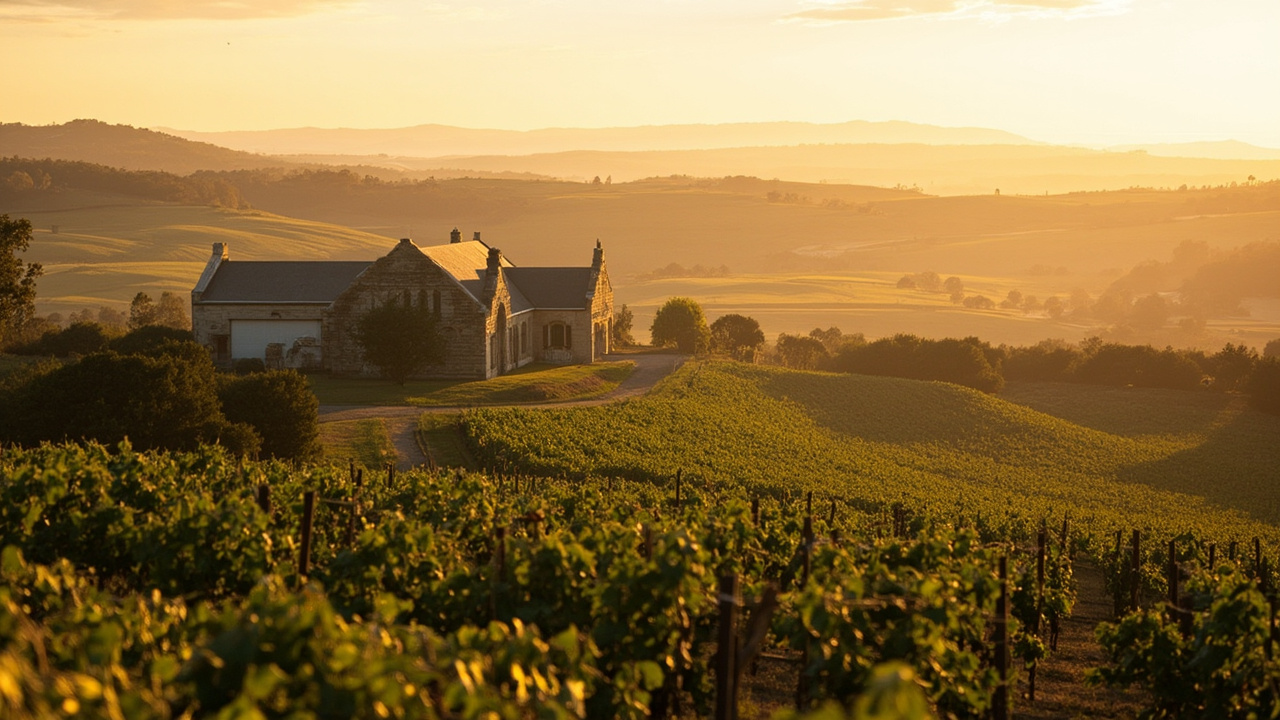
It is also, and I say this without hedging, shiraz country. The Barossa holds some of the oldest shiraz vines in the world, a handful of them planted in 1843. Phylloxera, the louse that flattened the vineyards of Europe and much of the wine world in the nineteenth century, never reached the Barossa. Those old vines were never grafted, never torn out, never replaced. When you drink Barossa shiraz you are drinking from a continuous living line that most of the planet lost more than a century ago. That is not marketing. That is the actual reason people fly here.
If you would rather not plan the logistics yourself, the simplest way to string the cellar doors together is the
Barossa Hop-On Hop-Off pass, which lets you move between the major stops on your own timing without anyone at your table having to stay sober to drive. I will come back to the driving question at the end, because it matters more than most guides admit.
There are more than 150 cellar doors in the Barossa. You do not need 150. You need three, and then whatever else fits around them. If you do nothing else, do these.
Seppeltsfield
Seppeltsfield is home to the Centennial Cellar, and it is the closest thing to time travel that wine offers. The estate has laid down a barrel of tawny every single year since 1878, and it releases each one only when it turns 100 years old. That means you can taste your birth year. A 100-year-old tawny, drawn straight from the barrel, poured for you, from the year you were born. There is nowhere else on earth that does this at this scale, and no photograph prepares you for how that first sip lands. Book the Centennial tasting ahead. It is the single most memorable half hour in the valley.
Langmeil
Langmeil farms a vineyard called The Freedom, planted in 1843, which makes it one of the oldest surviving shiraz plantings in the world. The wine that comes off it, The Freedom 1843 shiraz, is the reason to come. Standing among vines that were in the ground before most modern countries existed, then tasting the fruit they still produce, is the Barossa argument made physical. Everything else about the phylloxera-free story becomes real when you are looking at the actual plants.
Rockford
Rockford is the one that separates people who know the Barossa from people who read about it. The wine to chase is the Basket Press shiraz, made the slow old way. Here is the catch, and it is deliberate: there is no website worth using, no phone bookings, and the flagship wines are not sold through normal channels. The way in is the mailing list. You join it, you wait, and you are offered an allocation. If someone tells you they will get you a case of Basket Press on the day, they are either very well connected or not telling the truth. Go to the cellar door regardless. The room itself, low and stone and unhurried, is worth the stop.
The Maggie Beer trap
Maggie Beer's Farm Shop is lovely. It is not a winery. It is a farm shop with a restaurant and a lake full of turtles. It is a genuinely pleasant place to spend an hour, and the food is good. But it turns up on a startling number of tour itineraries listed as a cellar door stop, and it is not one. Many tours list it precisely to pad the itinerary, so that four real stops can be advertised as five. Here is your test. If your tour skips Seppeltsfield, Langmeil, AND Rockford, switch operators. A Barossa tour that trades any of those three for a farm shop has its priorities backwards, and you should treat that itinerary as a warning about the whole operation.
The next tier, worth your time
Torbreck makes RunRig, a shiraz with a little viognier co-fermented in, and it is one of the modern benchmark wines of the region. The cellar door is handsome and the pours are serious.
Turkey Flat works shiraz off vines planted in 1847, which puts it in the same rarefied company as Langmeil for sheer age. It is family run, unshowy, and the rosé has a cult following of its own in the Australian summer.
Henschke makes Hill of Grace, which is an icon wine in the truest sense, roughly $900 a bottle and made from a single ancient vineyard. Most visitors will not buy it, and that is fine. You come to understand what the top of the pyramid looks like, and to taste the rest of the Henschke range, which is superb and far more affordable. Seeing where the ceiling sits changes how you taste everything below it.
Should you drive yourself?
You can drive yourself. The valley is easy. The roads are flat and forgiving, the distances are short, and signage is good. If your group has a genuine non-drinker who is happy to steer, self-driving gives you total control over timing and lets you chase a lead if a cellar door surprises you.
But here is the honest version. If you want to taste properly across six cellar doors, book a tour so no one is the designated driver. Barossa pours are generous, the wines are high in alcohol, and "properly" means actually swallowing rather than spitting into a bucket all day. The person behind the wheel does not get the day the rest of the table gets, and asking a friend to make that sacrifice quietly sours the trip. A driver you have hired, or a hop-on hop-off pass that lets everyone drink, solves the one problem that the flat, easy, close-together valley cannot solve on its own.
Plan around the three that matter, treat the farm shop as a pleasant extra rather than a headline, and sort the driving before you sort anything else. Do that and the Barossa gives you one of the great wine days anywhere in the world, and still gets you back to Adelaide in time for dinner.
Book the Barossa Hop-On Hop-Off pass
Barossa cellar doors worth your time
The original three remain the spine of a first visit: Seppeltsfield for fortified-wine history, Langmeil for old-vine shiraz, and Rockford for a cellar door that still feels like a winery rather than a luxury showroom. But the title of this guide is deliberately blunt, not literal. A second day opens the Barossa properly, and several producers deserve space once those three are booked.
Yalumba at Angaston is the place for breadth and architecture. It is a large historic producer, but the tastings can move well beyond supermarket labels into serious grenache, cabernet and viognier. The cooperage is a reminder that barrels are made objects, not decorative furniture. This is a useful stop for mixed groups because the range is wide enough to find a wine for almost anyone.
Torbreck is for people who like dense, expensive reds and want to understand the modern, high-scoring face of Barossa shiraz. RunRig is the famous bottle, but tasting down the range is more instructive than staring at the prestige label. Two Hands takes a similarly serious approach to regional shiraz, with flights that show how site changes texture and perfume. Do not book both on the same afternoon unless your palate enjoys being hit repeatedly with ripe fruit and alcohol.
Turkey Flat near Tanunda is less theatrical and more useful. Taste the shiraz, but also try the grenache and rosé. The latter is not a consolation wine; on a hot afternoon it may be the bottle you actually want to finish. Charles Melton is another strong grenache address, particularly for drinkers who think Barossa means only huge shiraz. Grenache from old vines can be fragrant, savoury and far less exhausting at the table.
Henschke sits in Eden Valley rather than the Barossa Valley floor, though it belongs in the broader Barossa trip. Hill of Grace provides the fame and price shock. The rest of the range provides the practical reason to visit. Book ahead and allow driving time; this is not a casual add-on between Tanunda appointments. Artisans of Barossa is the efficient alternative for visitors short on time, bringing several small producers into one tasting room with a good restaurant attached.
Appointments matter. Premium tastings at Seppeltsfield, Henschke and small producers can sell out, especially on Saturdays and during vintage. Pick one expensive or detailed tasting per day, then balance it with two standard flights. Three serious cellar doors beat six hurried ones. If planning each appointment sounds tedious, a Barossa food and wine tour is the cleaner option for travellers who want lunch and transport handled together.
Best time to visit the Barossa
March to May is my first choice. Vintage gives the valley energy, autumn cools the afternoons, and red wine stops feeling like a punishment in the heat. March can still be hot. April and early May usually offer the best balance of mild weather, active cellar doors and restaurant menus suited to shiraz. Accommodation prices rise around events, so do not wait for the week before.
September to November is equally good for green vines, mild days and longer light. Spring is easier for cycling and walking than midsummer. Nights can be cold, which is excellent for sleep and inconvenient if you packed only linen. Rain is possible, but a wet Barossa day still works because the main activities happen inside tasting rooms and restaurants.
December to February requires judgement. Dry heat, exposed vineyards and high-alcohol reds can become a brutal combination. Start early, stop for a long lunch, drink water and do not schedule six shiraz flights. Cellar doors may alter hours over Christmas and New Year. Severe fire weather also changes road and travel plans. Check official alerts rather than treating a tasting reservation as proof that conditions are safe.
June to August is quiet and food-friendly. Old stone cellar doors, braised meat and fortified wine make sense in winter. Frosty mornings are common and daylight is short, but bookings are easier outside long weekends. Winter is the value period for people who care about wine and dinner more than green vineyard photographs.
Transit from Adelaide and transport inside the valley
Tanunda is about 75 kilometres from central Adelaide. Allow 75 to 90 minutes by car depending on traffic and your exact destination. The Northern Expressway makes the first section simple; the final roads through the valley are also straightforward. The danger is not difficult terrain. It is alcohol, fatigue and the false confidence created by short distances.
Public transport is not a serious cellar-door strategy. Regional services can get travellers toward major Barossa towns, but timetables are limited and wineries sit outside convenient walking routes. A bus to town plus taxis between six producers looks economical only until the waits and fares begin. Rideshare availability is inconsistent. Pre-book local taxis, a private driver, or accommodation transfers if you plan to stay overnight.
The Barossa hop-on hop-off pass is the budget-friendly answer for independent visitors. It removes the designated-driver problem while preserving some choice. The limitation is the timetable: you cannot drift through a long tasting and expect the bus to wait. Build the day around three priority stops close to the route and reserve any seated tasting at a time the schedule can actually support.
A private driver costs more but works better for groups of four or more, collectors with appointments, and anyone staying outside Tanunda. Full guided tours are better for first-timers who want context and lunch without negotiation. Self-drive only when the driver genuinely plans not to drink. “Just small tastes” is not a transport plan. Barossa shiraz often sits above 14 per cent alcohol, and cellar-door generosity varies.
Where to eat in the Barossa
Fino Seppeltsfield is the obvious serious lunch. The cooking is produce-led, disciplined and far better than the phrase “winery restaurant” sometimes implies. Book well ahead, allow at least two hours, and place the Seppeltsfield tasting before or after with enough breathing room. Turning a good lunch into a timed obstacle between appointments is expensive stupidity.
Hentley Farm is the occasion meal: a tasting menu, detailed service and a commitment of both time and money. Make it the day's main event. Do not arrive after four cellar doors. Your palate will be tired and the pairing will become waste. Appellation at The Louise is another polished dinner choice, particularly convenient for guests staying on site.
For a relaxed lunch, Artisans of Barossa combines good food with access to several smaller labels. Harvest Kitchen at Jacob's Creek is generous, group-friendly and built around sharing. In Tanunda, bakeries, cafes and pubs cover the practical end of the day. Get breakfast early and carry water. A coffee and pastry does not qualify as preparation for fortified wine followed by three shiraz tastings.
Maggie Beer's Farm Shop remains worth visiting for pâté, preserves, picnic supplies and a break from formal tasting rooms. The lake and shop are pleasant. Just classify it correctly: food stop, not winery. If a tour counts it as one of only three “wine experiences,” choose another tour. If it appears between two good producers and includes time for lunch, enjoy it.
Where to stay
Tanunda is the practical base. It has restaurants, shops, tasting rooms and enough evening life that you can park the car and walk to dinner. The Barossa Weintal and central apartments serve travellers who value convenience over fantasy. Tanunda suits a first visit because it sits near Langmeil, Turkey Flat, Rockford and several tour pickup points.
Angaston is smaller, quieter and strong for food. Stay here for village atmosphere, proximity to Yalumba and an easier route toward Eden Valley. Nuriootpa is functional and well placed, though less romantic. It often provides better value and makes sense for travellers with a car who intend to spend little time admiring their hotel.
The Louise is the luxury choice, with vineyard views, a respected restaurant and the kind of service that makes leaving the property optional. It is expensive. Book it because you want a retreat, not merely a bed after a tour. Seppeltsfield Vineyard Cottage and other self-contained vineyard stays suit couples or groups who want privacy, but check dinner transport before opening the first bottle.
A day trip from Adelaide works, but two nights are better. Arrive in the afternoon, check in, walk to dinner, spend the next day tasting, and leave after breakfast. That pattern removes the evening drive and gives the valley one proper dinner. Three nights make sense if Eden Valley, long lunches or cycling are part of the plan.
A Barossa itinerary that respects your palate
On day one, start at Langmeil around 10:00 am, taste at Rockford before lunch, then eat at Fino Seppeltsfield and finish with the Centennial Cellar experience. That is enough. If Rockford is closed or crowded, substitute Turkey Flat. Keep the evening simple and drink something other than shiraz with dinner.
On day two, choose a theme. For old vines, book Henschke and add Yalumba. For modern powerhouse reds, pair Torbreck with Two Hands, then stop. For grenache and lighter drinking, visit Charles Melton, Turkey Flat and Artisans of Barossa. Thematic days teach you more than a random list assembled by proximity.
Skip a winery when the group is hungry, late or no longer paying attention. Buy fewer bottles than you think on the first morning; heat in a parked car ruins wine, and many producers ship. Ask about tasting fees and whether they are redeemable against purchases. Above all, schedule food with the same care as wine. The Barossa's strongest argument is not old vines alone. It is old-vine wine at a table with good bread, local meat and enough time to notice what is in the glass.