How many cellar doors in a day
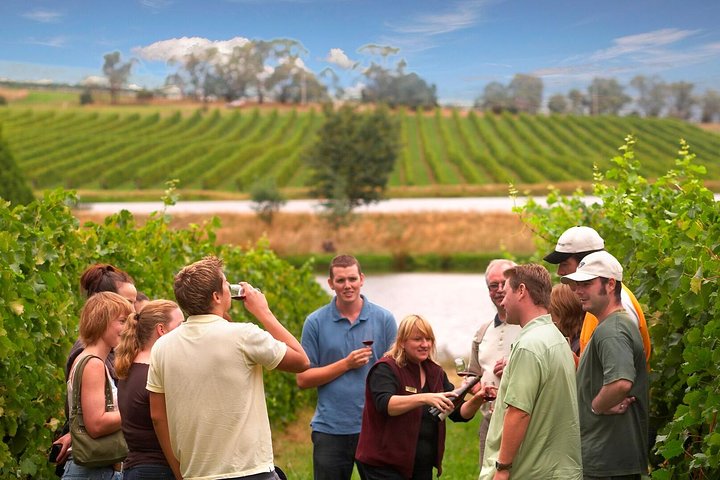
The honest answer is five to six, with five being the comfort zone and six being the upper limit. A proper tasting takes 60-90 minutes once you include the time to look at the menu, walk down to the bar, get into a conversation about the vintage, and decide whether to buy. Each drive between cellar doors adds 15-30 minutes on country roads. Lunch adds 90 minutes if you do it properly, which you should.
Seven plus usually means your fourth cellar door becomes a coin-flip exercise and your fifth tasting is rushed. Six is the upper limit for a group that is not drinking for a living. Three is the right answer for anyone who wants to spend proper time at each stop - at three cellar doors, you can taste a flight, talk to the winemaker, and walk out with a couple of bottles without looking at the clock.
The other variable is whether one person in the group is not drinking. On a self-drive day, the designated driver can use the time to look at the wineries as a buyer (cheese boards, olive oil, cellar door-only releases) but they are not tasting. On a guided tour, the driver is the guide, which removes the issue.
Best season by region
There is no single Australian wine season. The country's geography ranges from Tasmania (43° south) to the Hunter Valley (32° south), and the wine regions within that range have meaningfully different climate windows.
Mornington Peninsula: spring (October-November) and autumn (March-April). Summer is workable because the bay breeze keeps it 5-7°C cooler than inland regions, but weekends in December-January are crowded with day-trippers from Melbourne. Winter is quieter; some cellar doors reduce hours.
Yarra Valley: spring (October-November) for the gardens and clear weather, autumn (March-May) for harvest energy and vineyard colour. Winter has a different appeal - tasting rooms with fires, fewer visitors, more time with the winemaker.
Barossa Valley: shoulder seasons (September-October and April-May). Avoid January. The valley sits inland and gets to 35-40°C in peak summer, which ruins your palate and makes cellar door verandahs uncomfortable. September and October also give you a chance to see the first wave of vintage activity.
Margaret River: March-May or October-November. Summer is fine for the beaches but the cellar doors get busy in January. April-May is the quiet, settled period - the crowds have gone but the weather is still warm.
Hunter Valley: March-May or September-November. Avoid peak summer (December-February) which can hit 38°C with high humidity. Mondays and Tuesdays in the Hunter are rest days for the cellar doors - Wednesday to Friday is the play.
Tasmania (Tamar Valley): December-March. Tasmania's wine regions do not get the same summer heat as the mainland, so summer is the harvest period and the most active window. Winter in Tasmania is still wine country but expect shorter daylight and some cellar door closures.
What to book ahead, what to leave to chance
Book your cellar door lunch 2-3 weeks ahead in high season. The good vineyard restaurants fill up first, not the tours. Montalto on the Mornington Peninsula, Ezard at Levantine Hill in the Yarra, the cellar door kitchens in McLaren Vale - these are the spots that run out of same-week bookings on long weekends and during school holidays. Friday and Saturday lunches are the tightest; Sunday is usually easier.
Book guided tours 48 hours to 1 week ahead in shoulder season, 1-2 weeks ahead for weekend tours in summer or during holidays. Private tour operators will fit you in on shorter notice if they have a vehicle available. The bigger coach operators run daily departures and usually have seats; the smaller operators (max 8 people) need a little more lead time.
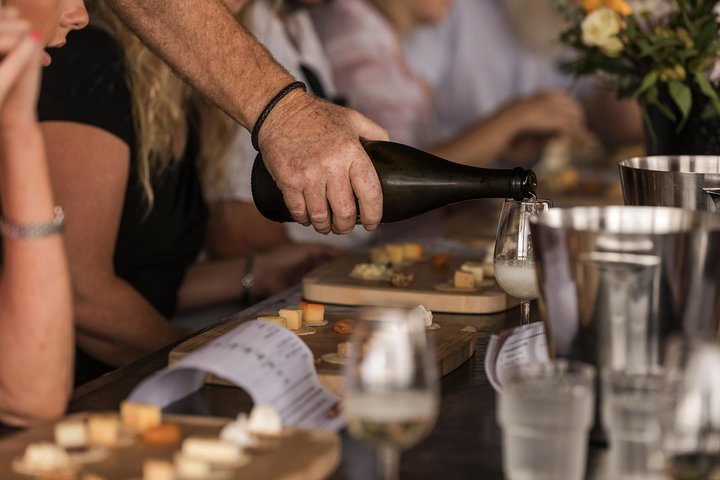
What to leave to chance: cellar door tastings, viewings of the property, walking through the vineyard if there is one. Walk-into the are fine at most of Australia's cellar doors, especially in shoulder seasons. Tasting fees are $10-25 per person, often refunded as a purchase credit.
What else to think about:
- Hot springs additions (Mornington Peninsula, parts of the Yarra) often book out 1-2 weeks ahead. If you are doing a combined hot springs + wine day, lock that in first.
- Tasting fees - budget $60-150 per person across the day, less if you buy bottles
- Designated drivers - some cellar doors offer non-alcoholic flights; if yours does not, plan for the driver to have something other than wine at each stop
- Lunch - budget $30-90 per person at a winery restaurant, less at a vineyard cafe
- Cellar door purchases - most cellar doors will ship anywhere in Australia; ask before carrying a heavy bottle rack back on the plane
- Australian Wine Regions Overview
Two-week planning checklist
Fourteen days out: book the cellar door lunch. This is the single most common mistake visitors make - showing up at a vineyard restaurant on a Saturday in November without a booking. If you cannot book a tasting inside the lunch window, push the tasting circuit to the morning only and the lunch to mid-afternoon.
Seven days out: book the tour (or confirm the hire car, accommodation, and rough cellar door list). At this point most tour operators will still have seats but the price may be moving up as smaller operators fill.
Three days out: confirm the weather and the cellar door opening hours. Some smaller operations close on certain weekdays. Some vineyard restaurants reduce hours in winter. Calling on the Wednesday before a weekend trip takes five minutes and saves you from turning up to find a locked gate.
Day before: confirm pickup times, full-day pack (jumper for cool-climate regions, hat for warm-climate ones, water bottle, comfortable shoes).