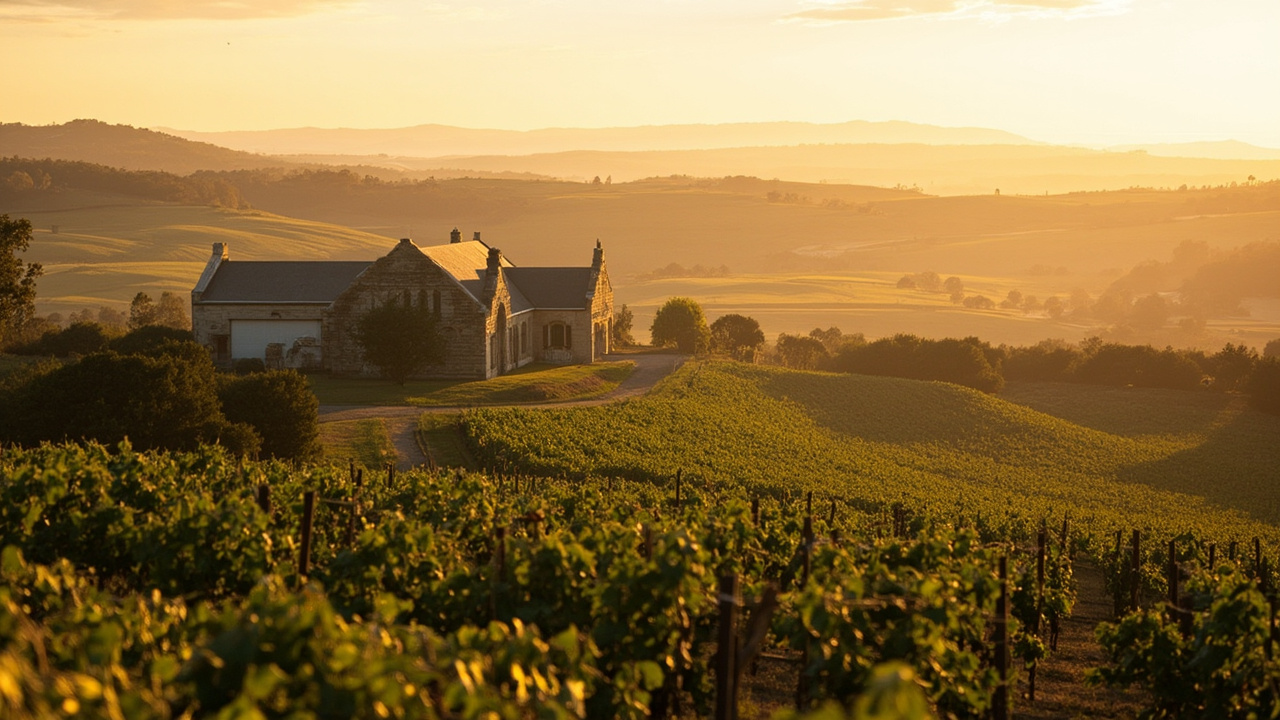
I Didn't Expect Barossa to Feel Like This
I've driven into the Barossa Valley maybe 15 times over the past four years. Each time, I expect the same thing: endless rows of shiraz vines, a few big-name cellar doors, and tourists with tasting glasses. And each time, the place surprises me. Not because the wine is good — I knew that. But because the best moments in Barossa rarely happen at the famous addresses.
My first real Barossa trip, I did everything wrong. I booked the cheapest tour I could find — a $99 bus that packed 24 strangers into a coach. The guide read from a script, we got one toilet stop in four hours, and lunch was a cold sandwich eaten on a park bench. Three people missed the bus at the second winery. I spent the ride back to Adelaide wondering why everyone raved about this region.
It took a second trip — a proper one — to understand. The Barossa isn't about ticking off Penfolds and Henschke. It's about the unmarked cellar door where the winemaker pours you something from an unlabelled bottle. It's about knowing that the best lunch isn't at a restaurant with a tasting menu, but at the Barossa Farmers Market on a Saturday morning, where you grab a bacon and egg roll from the BBQ stall and watch local winemakers queue for coffee before their cellar doors open.
This guide is the one I wish I'd had before that first trip. I'll tell you which tours are worth the money, which tasting fees are traps, and how to structure a day so you don't end up drunk by 2 PM with a credit card receipt you regret.
Barossa Valley Hop-On Hop-Off Wine Tour from Adelaide — The Tour That Saved My Trip
After that disastrous $99 coach experience, I nearly wrote off guided tours entirely. Then I tried the 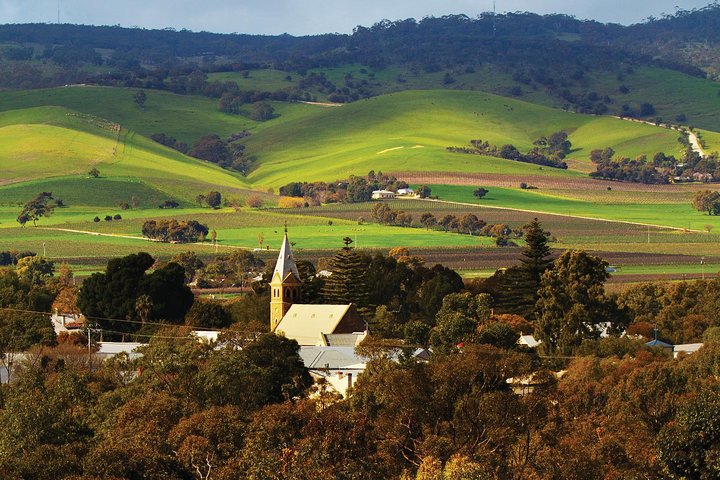 Barossa Valley Hop-On Hop-Off Wine Tour from Adelaide and realised the problem wasn't tours — it was the wrong tour. This one runs a loop through the valley, stopping at about a dozen cellar doors plus Maggie Beer's Farm Shop. You get on and off as you please. Want to spend 45 minutes at Rockford and skip the next stop? Fine. Want to linger two hours at a small producer because the winemaker is pouring a back vintage? Do it.
The flexibility changed everything. I spent two hours at a family-run winery in the Eden Valley that I'd never heard of, tasting through a vertical of their Riesling. Meanwhile, a couple from the same bus powered through four cellar doors in the same time. We met back at the pickup point, both happy.
The bus runs on a schedule, so you do need to keep an eye on the clock. But the driver gives you a map with timestamps, and the cellars on the route know the system. I paid $25 for a tasting at a premium producer and the fee was refunded when I bought a bottle. That's the kind of detail that matters.
Who it's for: Independent travellers who want control over their itinerary. Solo travellers who don't want to drive. Couples who disagree on pacing.
Who it's not for: Anyone who wants a guide to explain every pour. Large groups that can't split up. People who can't manage their own schedule.
The Moments That Made Barossa Memorable
The Barossa doesn't give you its best on a scripted tour. The moments that stick are the ones you stumble into. Like the hot February afternoon at Pewsey Vale in the Eden Valley — 38°C at 11 AM, the kind of heat where the bitumen shimmers. I walked in expecting to go through the motions with Riesling, treating it as filler between shiraz stops. The winemaker poured a 2012 Riesling that cost $32. It tasted like it was three years old — lime zest, wet stone, extraordinary acidity. I bought a case. It's still the best value purchase I've made in the Barossa, and it taught me that Eden Valley Riesling is the region's sleeper category. While everyone fights over $80 shiraz, you can buy top-rated aged Riesling for $32. And it ages longer than most reds.
Then there was the cellar door upsell I almost fell for. A producer poured a $180 single-vineyard shiraz first — dense, powerful, impressive. The second pour was a $45 blend from the same producer. More balanced, more food-friendly, truly the better wine. But because the expensive one came first, my palate was anchored to the higher price point. I nearly bought the $180 bottle before catching myself. The lesson: cellar door tasting order is psychology, not education. The most expensive wine is poured first because it sets the price anchor. Ask to taste the mid-range wines again before you buy. The best value is rarely the first thing in your glass.
And the Barossa Saturday Farmers Market in Angaston — that's a ritual I'll never skip. The bacon and egg roll from the BBQ stall, the German butcher's mettwurst, the coffee van that always has a 15-person queue by 9 AM. Local winemakers shop here before their cellar doors open. Start your Barossa wine tour day at the market. It's open 7:30–11:30 AM every Saturday, and it's where the locals eat.
From Adelaide: 5 to 7 People Personal Barossa Valley Tour — A Lesser-Known Tour Worth Discovering
For my fourth Barossa trip, I brought three friends who'd never been. I didn't want to gamble on a group tour, so I booked the 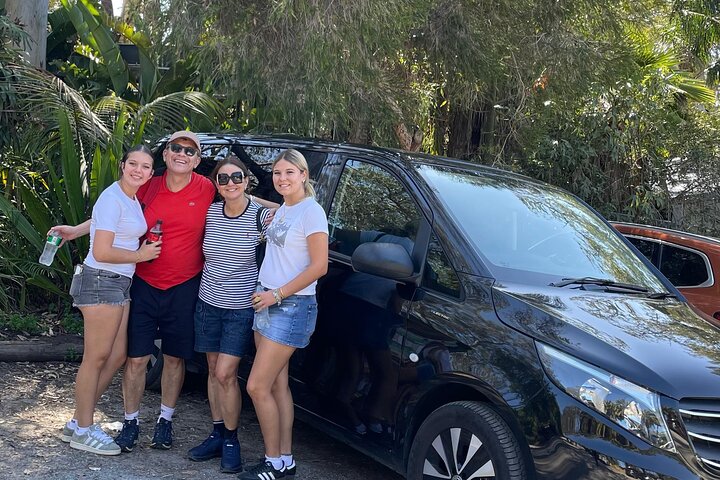 From Adelaide: 5 to 7 People Personal Barossa Valley Tour. The operator calls you before the trip to ask about your wine preferences — red drinkers, white drinkers, adventurous or traditional. Then they customise the route.
Our guide took us to a vineyard I'd never heard of — a small operation where the winemaker's dog slept under the tasting bench. We tasted a 2018 Grenache that wasn't even on the regular menu. My friends, who thought they only liked shiraz, left with three bottles each. The guide knew which cellar doors waive tasting fees with purchase, and by the end of the day, we'd spent $45 total on tastings across five wineries. Lunch was at a proper restaurant — not a cheese platter masquerading as a meal — and the guide timed it so we arrived before the lunch rush.
It costs more than the hop-on hop-off option, but for a group that wants a tailored experience, it's the right call. The vehicle was comfortable, the guide was knowledgeable without being a wine bore, and we never felt rushed.
Who it's for: Small groups of 3–7 people. Serious wine buyers. Special occasions like birthdays or anniversaries.
Who it's not for: Budget travellers. Solo travellers (the minimum is 3 people). Anyone who prefers to set their own schedule.
What Really Surprised Me About Barossa
Three things caught me off guard. First: the tasting fee trap at premium cellar doors. I paid $50 at Henschke in the Eden Valley — not refundable with purchase, pour sizes were 15ml at most. The Hill of Grace wasn't available to taste at any price. A couple next to me spent $180 on tastings and bought nothing. Always ask about tasting fee refundability before you start. Some premium cellar doors keep the fee regardless of purchase.
Second: the Penfolds experience. The air conditioning was too cold, the glass was too small for a proper swirl, and the pour was barely enough to coat the tongue. The Grange wasn't even on the tasting menu. I paid $50 and left feeling like I'd been processed, not hosted. Premium brand cellar doors don't always deliver value. I now steer readers to smaller producers where the tasting fee actually buys you an experience.
Third: the Adelaide Hills detour. On the drive back to Adelaide from the Barossa, it's a 25-minute deviation to hit the Adelaide Hills. I stopped at Shaw + Smith on a January day — 42°C in Adelaide, 28°C in the Hills. The Sauvignon Blanc was nothing like the New Zealand style. More texture, less grass, a minerality that made me rethink the variety entirely. If you're driving yourself, take that detour. It's worth the extra time.
Celeste Blackwood's Insider Tips for Getting It Right
I've made enough mistakes in the Barossa that I can tell you exactly how to avoid them. Here's what I've learned:
- Book the earliest departure slot. 7–8 AM pickup from Adelaide. You'll hit cellar doors before the crowds and get better attention from staff. I've had sommeliers spend 20 minutes with me at 10 AM who were rushed and distracted by noon.
- Eat a proper breakfast. Lunch on most tours is 1–2 PM. That's 5–6 hours of tasting on an empty stomach. You'll make bad purchasing decisions and feel terrible by mid-afternoon.
- Bring a water bottle. Most tour vehicles have water, but not always enough for a full day in Australian summer. Dehydration plus wine tasting is a bad combination.
- Ask about back vintage tastings. Many cellar doors have older vintages available if you ask specifically. They're not on the menu, but they're in the back room.
- Never buy wine at the first cellar door of the day. Your palate isn't awake yet. Everything tastes impressive when you're fresh. Wait until stop two or three before pulling out the credit card.
- Check whether tasting fees are included in the tour price. Some operators charge tasting fees on top of the tour cost. That $99 tour I took? Tasting fees were extra — another $35 I hadn't budgeted for.
- If you're serious about buying wine, bring a checked bag or ask about shipping. Most wineries ship domestically. I've shipped cases home from the Barossa three times now, and it's always been cheaper than excess baggage.
- Winter wine touring (June–August) means fewer crowds and more time with cellar door staff. But check opening hours — some smaller producers reduce their hours in winter.
What I Wish I'd Known Before I Went
I'll be honest: the first time I visited the Barossa, I treated it like a checklist. Penfolds, Henschke, Rockford, lunch at a fancy restaurant, done. I left with a car full of expensive wine and the nagging feeling I'd missed something.
What I'd missed was the rhythm. The Barossa rewards slow days. The best conversations happen when you're not watching the clock. The best wine I bought wasn't from a famous label — it was a $32 Riesling from a cellar door I almost skipped because I was in a hurry to get to the next big name.
I also wish I'd known about the 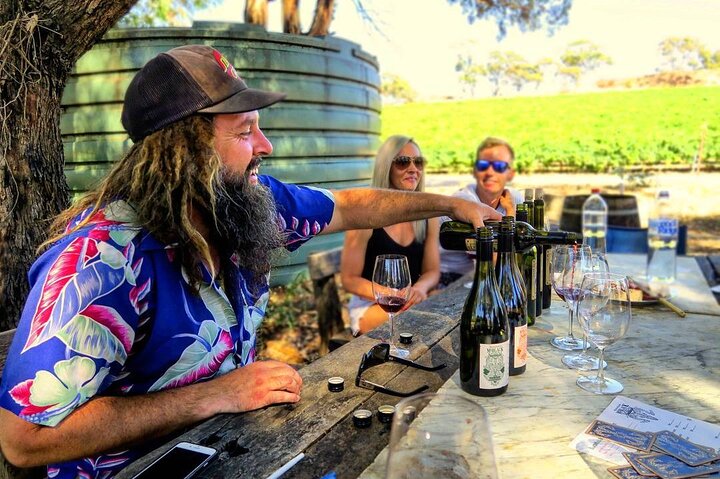 Micro-Group Barossa Valley Wine Tour from Adelaide on that first trip. Max 10 guests, visits 4–5 wineries, includes a proper restaurant lunch. It's the best balance of price and intimacy. I took it on my third visit and it was the first time I felt like I'd actually experienced the Barossa instead of just passing through it.
And a final note on timing: the Barossa in summer is hot — 30–40°C. If you're doing a tour, start early and plan a long lunch in air conditioning. Autumn (March–May) is harvest season, with beautiful foliage and busy cellar doors. Winter (June–August) is quiet and cool, best for red wine by the fire. Spring (September–November) has wildflowers and moderate temperatures. I've done all four seasons. Autumn is my favourite, but winter is the best value — fewer crowds, more attention from staff, and the fireside tables at cellar doors are something special.
Book the right tour. Eat before you taste. Skip the famous names if the experience doesn't match the price. And leave room in your luggage for that Riesling you didn't know you needed.
More Barossa Valley Wine Tours Worth Your Money
When you book through our links, we may earn a commission at no extra cost to you.
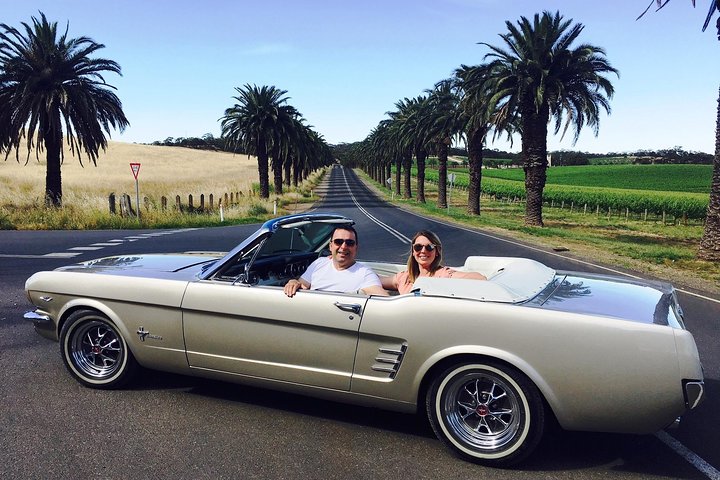
Barossa Uncut: Half-Day Classic Mustang Convertible Tour
Half-day private tour in a classic Mustang. Style, wind, and 3 cellar doors.
 Check Availability on Viator →
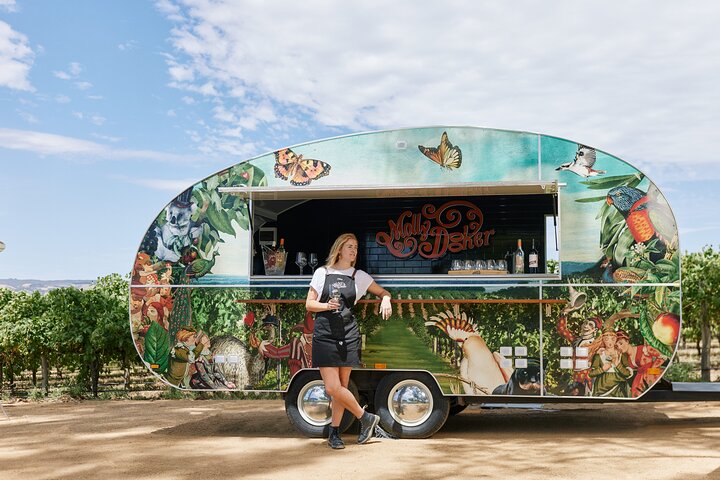
Barossa Valley Full-Day Wine Tour with Lunch
Solid all-day option covering 4-5 wineries with a seated lunch. Reliable value.
 Check Availability on Viator →