I Didn't Expect Barossa to Feel Like This
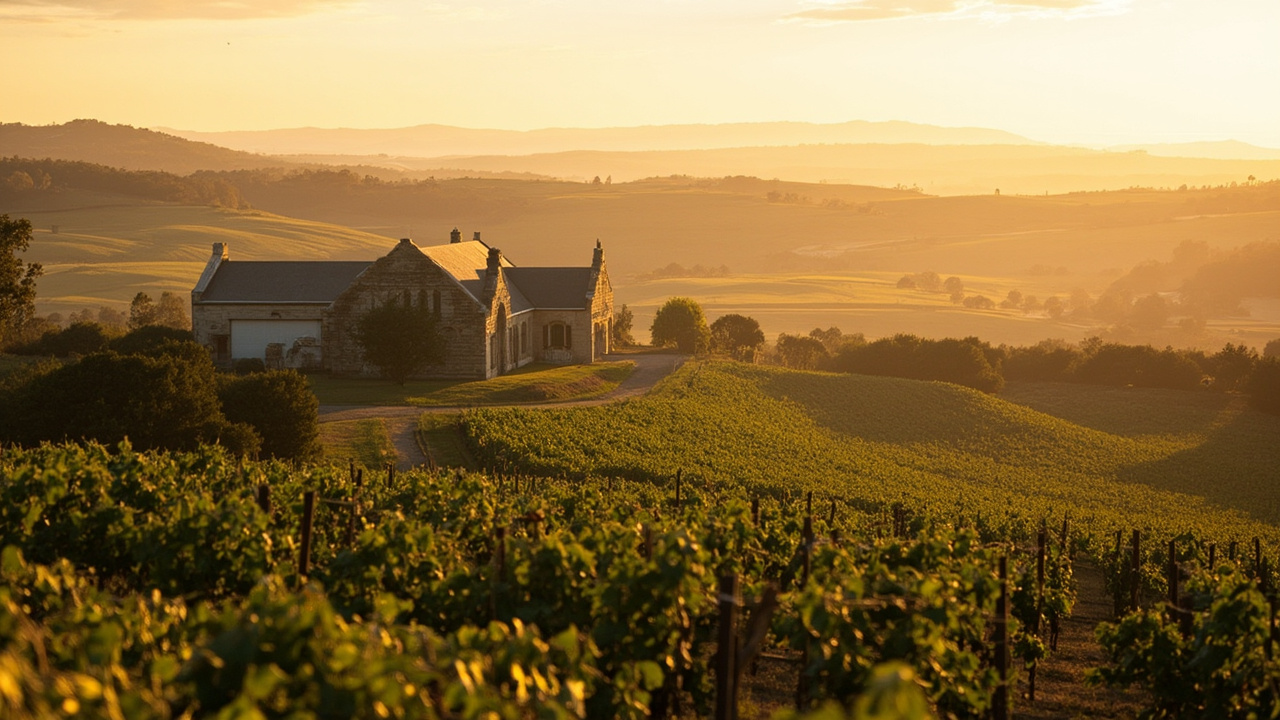
I've driven the Barossa Valley more times than I can count — from the Adelaide Hills descent into Lyndoch, past the almond trees and the old stone churches. But my first trip in January 2024 hit different. I walked into the Penfolds cellar door expecting reverence. What I got was a $50 tasting fee, air conditioning cold enough to make me shiver, a glass too small to properly swirl, and pours so stingy they barely coated my tongue. The Grange wasn't even on the menu. I paid $50 to taste mid-tier wines I could have bought at Dan Murphy's. That's the moment I stopped writing generic praise and started telling people what actually matters: which tours deliver value, which cellar doors respect your wallet, and how to avoid the rookie mistakes that turn a great wine region into an expensive disappointment.
This Barossa guide is the one I wish I'd read before my first trip. It's not a list of pretty cellar doors. It's the practical, sometimes unflattering truth about how to do Barossa right.
Barossa Valley Hop-On Hop-Off Wine Tour from Adelaide — The Tour That Saved My Trip
After the Penfolds disaster, I needed a reset. I booked the 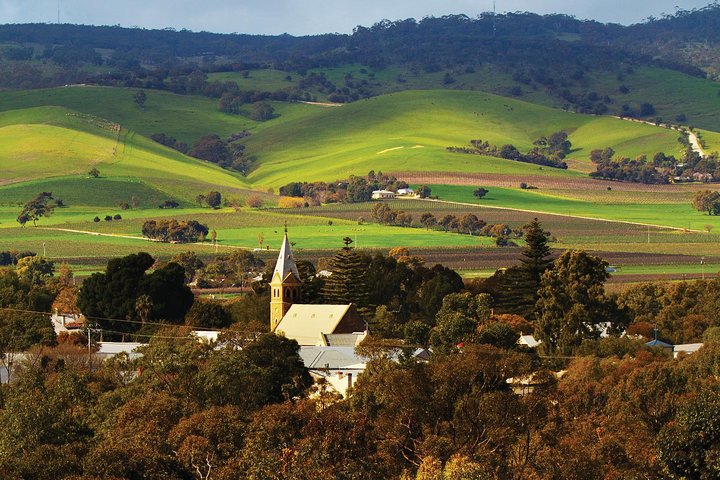 Barossa Valley Hop-On Hop-Off Wine Tour from Adelaide on a whim, expecting a tourist bus with a script. What I got was the most flexible way to do Barossa. You pick your cellar doors, set your own pace, and the bus runs on a loop so you're never stuck waiting. I started at Charles Melton, moved to Torbreck, then hit a small producer called Kalleske that wasn't even on my radar. The guide gave me a list of which wineries waive tasting fees with purchase — that alone saved me $40. The bus had 14 people max, enough AC to handle the 38°C heat, and a proper lunch stop at a bakery in Angaston. For solo travellers or couples who want control over their itinerary without driving themselves, this is the best value in Barossa. I've recommended it to everyone who asks me how to start.
The Moments That Made Barossa Remarkable
Barossa's real magic isn't the big names. It's the moments that catch you off guard — the ones that make you forget you're working.
Take the Barossa Farmers Market in Angaston. I stumbled in on a Saturday morning because my hotel receptionist mentioned it. The bacon and egg roll from the BBQ stall was the best $8 I've spent in any wine region. The German butcher's mettwurst, the coffee van with a 15-person queue by 9 AM, the local winemakers shopping for their weekly produce before their cellar doors opened — it felt like I'd walked into the real Barossa, not the tourist version. I now tell everyone to start their wine tour day here. It's open 7:30–11:30 AM every Saturday, and it sets you up with a proper breakfast so you're not tasting Shiraz on an empty stomach by 11 AM.
Then there was the Eden Valley detour. I drove up to Pewsey Vale on a 38°C February day, expecting to go through the motions with Riesling — filler between Shiraz stops. The winemaker poured a 2012 Riesling that cost $32. It tasted like it was three years old — lime zest, wet stone, extraordinary acidity. I bought a case. It's still the best value purchase I've made in the Barossa. Eden Valley Riesling is the region's sleeper category: while everyone fights over $80 Shiraz, you can buy top-tier aged Riesling for $32. And it ages longer than most reds.
But the moment that changed how I think about Australian wine happened in McLaren Vale, not Barossa — and it's worth the 90-minute drive. Hot afternoon, cicadas deafening, the winemaker poured a 2018 Grenache from an unlabelled bottle. It cost $45 and outclassed every Barossa Shiraz I'd tasted that week. McLaren Vale Grenache is Australia's most underrated wine, and it pairs better with food than most of the big Barossa reds. If you're driving yourself, add a McLaren Vale stop to your itinerary. Just don't try to do both regions in one day — the drive is 90 minutes each way, and rushing ruins the experienc.
From Adelaide: 5 to 7 People Personal Barossa Valley Tour — A Lesser-Known Pick Worth Considering
For my second trip, I brought a group of five friends — serious wine buyers who wanted more than a hop-on hop-off experience. I booked the From Adelaide: 5 to 7 People Personal Barossa Valley Tour, and it was a completely different experience. The guide asked us our wine preferences before we left Adelaide — red drinkers, budget-conscious, interested in back vintages. He customised the route on the fly. We hit St Hallett, Rockford, and a tiny producer in Seppeltsfield that wasn't open to the public. The guide knew which cellar doors waive tasting fees with purchase (nearly all of them, if you ask the right way) and which ones keep the fee regardless (Henschke, I'm looking at you — $50, not refundable, and the Hill of Grace wasn't available to taste at any price). For small groups or special occasions, this tour delivers a depth you can't get on a larger bus. The downside: it's pricey, and you need a full group to make the per-person cost reasonabl.
What Really Surprised Me About Barossa
Three things caught me off guard, and they're the kind of details most guides miss.
First: the tasting fee psychology. I nearly fell for the classic cellar door upsell at a well-known producer. The first pour was a $180 single-vineyard Shiraz — dense, powerful, impressive. The second pour was a $45 blend from the same producer — more balanced, more food-friendly, truly the better wine. But because the expensive one came first, my palate was anchored to the higher price point. I nearly bought the $180 bottle before catching myself. Cellar door tasting order is psychology, not education. The most expensive wine is poured first because it sets the price anchor. Ask to taste the mid-range wines again before you buy — the best value is rarely the first thing in your glass.
Second: the Monday closure trap. I learned this one the hard way in the Hunter Valley, but it applies everywhere. Two cellar doors with 'Closed' signs, one restaurant with a 'kitchen renovation this week' notice, and a winery that was open but serving from plastic cups because the dishwasher was broken. Never visit any wine region on a Monday or Tuesday without checking what's open first. In Barossa, most cellar doors are open seven days, but smaller producers and restaurants often close early in the week. Call ahead or check websites before you go.
Third: the hidden value of winter touring. I did a June trip to the Tamar Valley in Tasmania — 8°C outside, wood fire inside, and a 2016 Blanc de Blancs that had spent six years on lees. It tasted like it belonged in Champagne, not 15 minutes from Launceston. The same logic applies to Barossa in winter. Fewer crowds, more time with cellar door staff, and the fireside tables at restaurants are actually available. Just check opening hours — some tours don't run in winter, and a few cellar doors reduce their hours.
Celeste Blackwood's Insider Tips for Getting It Right
I've made every mistake in this guide so you don't have to. Here's what I've learned after 40+ wineries across 12 regions.
- Book the earliest departure slot (7–8 AM). You'll hit cellar doors before the crowds and get better attention from staff. The sommelier at Domaine Chandon in the Yarra Valley remembered me from a visit two years earlier because I was the first person through the door at 9 AM. That doesn't happen at 11 AM.
- Ask your tour guide which wineries waive tasting fees with purchase. They know which ones do and don't. In Barossa, most independent producers waive the fee if you buy a bottle. Premium brand cellar doors like Penfolds and Henschke keep the fee regardless.
- Eat a proper breakfast before a wine tour. Lunch is usually 1–2 PM, and you'll be tasting on an empty stomach otherwise. Tasting 15–20 Shiraz pours across four cellar doors on an empty stomach will end your day by 2 PM, and you'll make expensive purchasing decisions you'll regret. The Barossa Farmers Market is your friend here.
- Bring a water bottle. Most tour vehicles have water, but not always enough for a full day in Australian summer. Dehydration plus alcohol equals a bad afternoon.
- Download offline maps. Mobile reception in the Barossa Ranges and parts of Eden Valley is patchy. I've been lost twice because Google Maps gave up.
- Never buy wine at the first cellar door of the day. Your palate isn't awake yet, and everything tastes impressive when you're fresh. Wait until stop two or three before pulling out the credit card.
- If you're serious about buying wine, bring a checked bag or ask about shipping. Most wineries ship domestically, and it's often cheaper than excess baggage fees.
- Sunscreen is non-negotiable. Even in winter, Australian UV is intense, and you'll be outside between cellar doors. I learned this the hard way after a February day in the Barossa that left me looking like a lobster.
What I Wish I'd Known Before I Went
If I could go back to my first Barossa trip and whisper advice to myself, here's what I'd say.
Check what lunch is included in your tour. I booked a $99 tour once — 24 strangers on a coach, one toilet stop in four hours, and a guide who read from a script. The lunch was a cold sandwich in a park. Three people missed the bus at the second winery. The difference between a $99 and $199 tour is the difference between a bad day and a great one. The 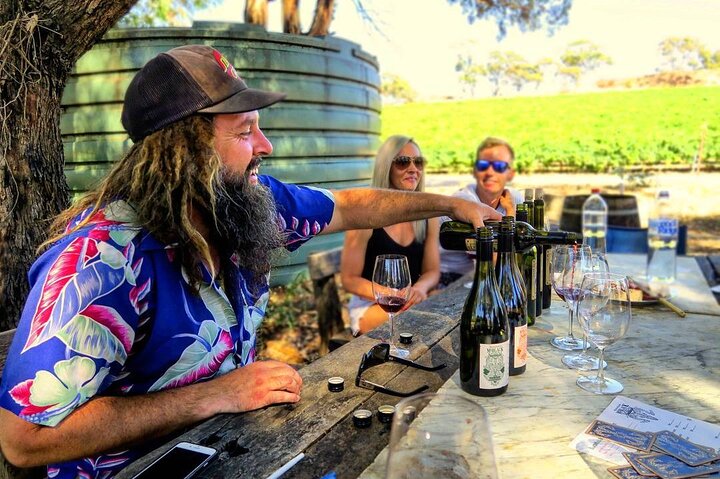 Micro-Group Barossa Valley Wine Tour from Adelaide maxes out at 10 guests, visits 4–5 wineries, and includes a proper restaurant lunch. That's the sweet spot — small enough for personal attention, large enough to keep the cost reasonabl.
Don't try to visit two wine regions in one day. The drive between Barossa and McLaren Vale is 90+ minutes each way. You'll spend more time in the car than tasting, and you'll miss the best of both. Pick one region per day. If you're driving yourself, designate one region per day — Australian wine regions are spread out, and rushing between them ruins the experienc.
Ask about 'back vintage' tastings. Many cellar doors have older vintages available if you ask specifically. They're not on the menu, but they're in the back room. I've tasted 10-year-old Shiraz at Rockford that wasn't listed anywhere, just because I asked.
If a winery has a restaurant, book lunch there instead of just a tasting. You'll sample more wines with your meal, and the tasting fee is usually waived. The Mornington Peninsula does this better than anywhere — six courses, each with a different Pinot Noir from the same producer but different blocks. By course four, I stopped taking notes and just experienced it. It's not cheap, but it's worth every dollar.
Finally: the Adelaide Hills is a 25-minute detour from the Barossa on the way back to Adelaide. Shaw + Smith and The Lane are worth the deviation if you're driving yourself. I did this on a 42°C Adelaide day, and the Hills were 28°C. The Sauvignon Blanc was nothing like the New Zealand style — more texture, less grass, a minerality that made me rethink the variety entirely. Even if you think you don't like Sauvignon Blanc, try the Adelaide Hills version. It might change your mind.
More Barossa Valley Wine Tours Worth Your Money
When you book through our links, we may earn a commission at no extra cost to you.
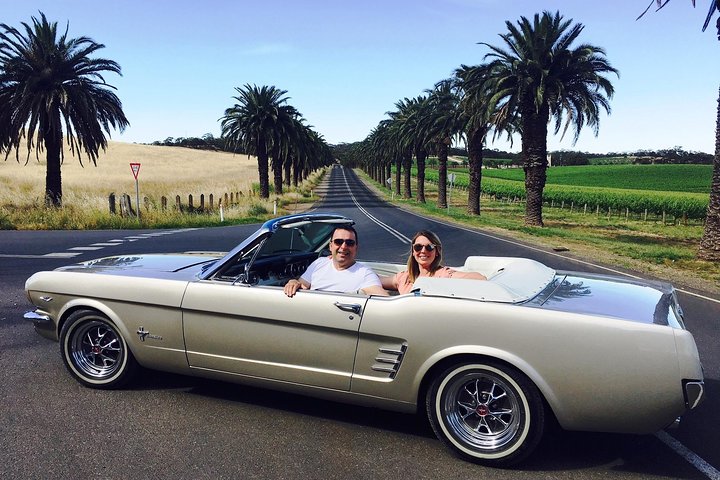
Barossa Uncut: Half-Day Classic Mustang Convertible Tour
Half-day private tour in a classic Mustang. Style, wind, and 3 cellar doors.
 Check Availability on Viator →
Barossa Valley Full-Day Wine Tour with Lunch
Solid all-day option covering 4-5 wineries with a seated lunch. Reliable value.
 Check Availability on Viator →