Swan Valley: WA's Oldest Wine Region, 25 Minutes from Perth
Twenty-five minutes from the Perth CBD, Western Australia's oldest wine region has been making fortified wines, chenin blanc, and verdelho since 1829.
We earn a commission when you book through our links on Viator (PID P00299531), at no extra cost to you.
The Swan Valley is twenty-five minutes from the centre of Perth. That is the single most useful fact about it. Unlike Margaret River, which demands a three-hour commitment before you see a single vine, the Swan Valley is close enough that you can leave your hotel at ten in the morning, taste wine through the afternoon, and be back in the city in time for dinner. It is the most accessible wine region in Australia.
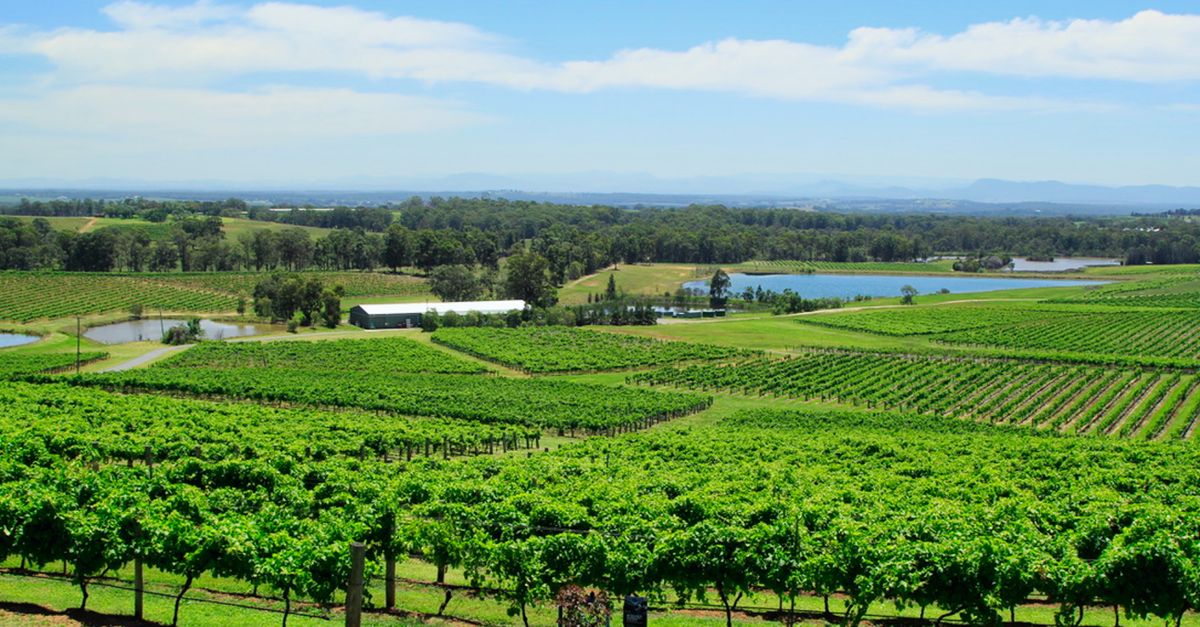
It is also the oldest in Western Australia, planted in 1829 when the Swan River Colony was barely weeks old. The vines that took hold in the sandy loam along the Swan River have been producing ever since, through two world wars, a phylloxera scare that never reached the west, and the rise of Margaret River as the state's flagship. The Swan Valley never stopped doing what it does: making wine that tastes of sun, old vines, and a region that refuses to take itself too seriously.
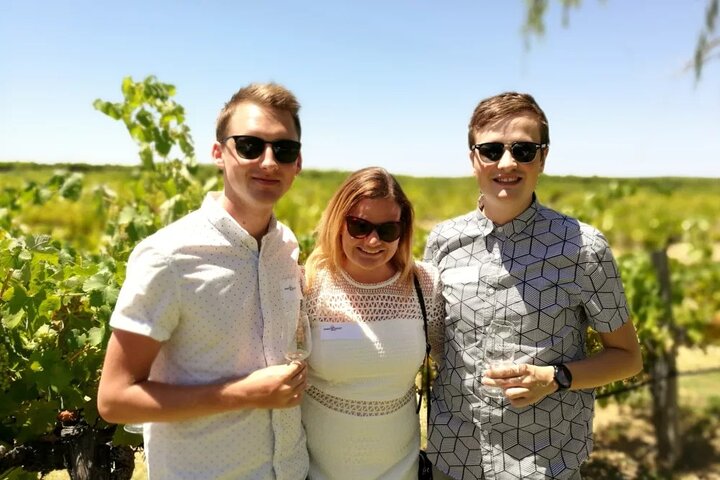
The easiest way to do the Swan Valley without anyone in your group staying sober to drive is a guided half-day or full-day tour. We recommend booking a Swan Valley wine, beer, and chocolate tour ahead of your visit, because the good operators book out on weekends and public holidays, and someone else handles the map while you handle the glass.
The Cellar Doors That Built the Valley
The Swan Valley has fewer cellar doors than Margaret River but deeper roots. These are the names that have defined the region for decades, plus a few that are doing interesting things right now.
Sandalford was established in 1840 and is one of the oldest continually operating wineries in the country. The estate sits on the river, the cellar door is spacious without being corporate, and the pre-phylloxera cabernet sauvignon vines are still producing fruit that makes you stop and think about what a vine can do over 180 years. The premium tasting includes the Estate Reserve range, and the restaurant does a long lunch that justifies the drive from the city.
Houghton is the name that put Swan Valley on the national wine map. The Houghton White Classic, a chenin blanc-based blend that has been made for more than 80 years, is the default summer white in Western Australian households for a reason. The Jack Mann cabernet is the icon wine, named after the legendary winemaker who ran the cellar for 51 years. The cellar door sits in a heritage-listed building with lawns that roll down toward the vines. It is the best single stop for understanding the Swan Valley's place in Australian wine history.
Mandoon Estate is the modern Swan Valley. The cellar door is sleek, the craft beer brewery shares the same property, and the Homestead Brewery restaurant does some of the best food within the valley limits. This is where the Perth weekend crowd goes, which means it gets busy, and you should book lunch ahead. Try the verdelho. It is the grape the Swan Valley does better than almost anywhere else in Australia, and Mandoon's is a strong example.
Lancaster is a family-run operation on West Swan Road that has been making wine since the early 1990s without chasing trends. The shiraz and cabernet are the flagships, the cellar door is a converted packing shed with zero pretension, and the tasting is generous. This is the kind of winery where the person pouring your wine is likely named Lancaster.
Faber Vineyard on the valley's northern edge makes what might be the region's most interesting reds. John Griffiths, the winemaker, spent time at Penfolds before returning west, and the influence shows in the structured, ageworthy shiraz. The reserve range includes a Swan Valley shiraz-mataro that combines two grapes the region has been growing for a century.
Olive Farm Wines holds the title of Western Australia's oldest continuously operating winery, established in 1829, the same year as the colony itself. It has changed hands several times since then, but the current owners have maintained a serious approach to fortified wines that is rare in the region today. The muscat and the tokay are the ones to taste. Bring a designated driver if you do the full fortified flight, because the alcohol content is exactly what you think it is.
Talijancich is one of the last family producers still making fortified wines in the valley, and the liqueur muscat and verdelho are worth the stop even if you think you do not like fortified wine. The cellar door is small, the tastings are personal, and the bottles are priced fairly enough that you will walk out with one.
How Much Time You Need
The Swan Valley is a one-day region. That is its superpower. You leave Perth in the late morning, drive twenty-five minutes up the Great Northern Highway or Guildford Road, and you are tasting wine by late morning. A full day covers four to five cellar doors with lunch in between. A half-day covers two to three without lunch.
If you have only a half-day, do Houghton (history, the iconic white, the lawns), Mandoon (lunch, verdelho, the beer option for anyone who wants a break from wine), and finish at Sandalford for the old-vine cabernet. That is a tight three-stop loop on West Swan Road.
If you have a full day, add Lancaster for the shiraz, Faber for the reserve reds, and Olive Farm for the fortified wines. The valley is compact enough that you are never more than ten minutes from the next cellar door. The route along West Swan Road is well signposted, flat, and forgiving. This is not Margaret River, where you spend forty minutes between stops. The Swan Valley is dense. You can hit six cellar doors without ever driving more than ten kilometres from the first one.
Do not try to do the Swan Valley and Margaret River in the same trip as a comparison exercise. They are different regions with different grapes, different histories, and different pacing. The Swan Valley is a quick, rich hit of wine history with fortifieds at the end. Margaret River is a weekend commitment that rewards slowing down. If you have four days in Perth, do one day in the Swan Valley and three in the south. If you only have one day, the Swan Valley wins on logistics alone.
Getting There From Perth
From the Perth CBD, take the Graham Farmer Freeway east to the Great Eastern Highway, then the Roe Highway north to the Great Northern Highway. Turn left onto West Swan Road. The whole drive is twenty to thirty minutes outside peak hour, forty-five if you leave the city at five o'clock on a Friday. There is no train, no bus service worth using, and no practical alternative to driving or being driven.
Hire a car from the Perth CBD or the airport. Every major rental company has a desk at Perth Airport terminal. The drive is mostly highway. You will be on the left. The road signs for the Swan Valley are clear once you hit Guildford.
If you would rather not drive a hire car, book a guided wine tour with a pickup from your Perth hotel. The half-day tours run roughly four hours, the full-day tours run seven. The full-day option includes lunch at a winery restaurant, which is the move if you want to tick off the cellar doors and the food in a single booking. Compare options on a full-day Swan Valley food and wine tour and pick the one that visits the cellar doors you want.
Best Time to Visit
The Swan Valley vineyard season runs year-round, but the best months are September through April. The Perth summer from December to February is hot. Expect 35 degrees Celsius or higher, and plan your cellar doors for the morning. The afternoons are for air conditioning, long lunches, and air conditioning. The fortified wines taste better in winter anyway.
March and April are the sweet spot. The days are warm but not punishing. The cellar doors are busy with weekend traffic but quiet on weekdays. The vines are green after the summer heat. If you have the flexibility, go on a Tuesday or Wednesday in March. You will have the tasting room to yourself.
June through August is the Swan Valley's winter. The days are cool but rarely cold, with temperatures around 15 to 20 degrees Celsius. The fortified wines at Olive Farm and Talijancich are at their best. The cellar doors are empty. The staff remember your name. It is the contemplative choice.
Swan Valley vs Margaret River
This is the comparison that defines wine tourism in Western Australia. The Swan Valley is the short, sharp, history-rich experience twenty-five minutes from Perth. Margaret River is the world-class, three-hour-commitment weekend that produces some of the best cabernet and chardonnay on the continent. They are not competitors. They serve different purposes.
Choose the Swan Valley if you are in Perth for a conference, a wedding, or a stopover and you want to taste Western Australian wine without spending half your trip in the car. The cellar doors are dense, the fortified wine tradition is unique, and you can walk into most tasting rooms without a booking on weekdays.
Choose Margaret River if you have a full weekend, a hire car, and a willingness to drive three hours each way for cabernet that rivals Bordeaux. The surf at Prevelly is a bonus. The long lunches at Cullen and Vasse Felix are destination-level dining. The Swan Valley does not have Prevelly. It has the Guildford Hotel.
For a detailed breakdown of how these two regions stack up across every dimension that matters — cellar doors, grape varieties, cost, logistics, and which one is right for your trip — read the full Swan Valley vs Margaret River comparison.
Swan Valley for Families
The Swan Valley is more child-friendly than most Australian wine regions. Mandoon Estate has lawn space, a playground within sight of the tables, and the brewery means non-wine-drinking adults are not stuck watching everyone else taste. The Great Northern Distillery is a few doors down for anyone who would rather a gin flight than a wine flight.
The Swan Valley Cuddly Animal Farm, the Caversham Wildlife Park, and the Whiteman Park tram and railway operate within a short drive of the cellar doors. The pattern that works: cellar door, animal stop, cellar door, lunch at Mandoon, another animal stop. The kids will remember the kangaroos and the koalas, which is exactly what you want them to remember.
Book Your Swan Valley Wine Tour
The Swan Valley is close, but it is not walkable. You need a designated driver. The simplest, most popular, and most responsible option is a guided tour with a local at the wheel who knows where the good pours are and where the parking is. The full-day tours from Perth cover three to four cellar doors, lunch, and pickup from your hotel. Compare options and reserve your spot on a Swan Valley wine tour before the dates you want fill up. For visitors who prefer a dedicated half-day itinerary with more flexibility, a full-day premium Swan Valley tour covers the valley's best cellar doors with a proper sit-down lunch included.