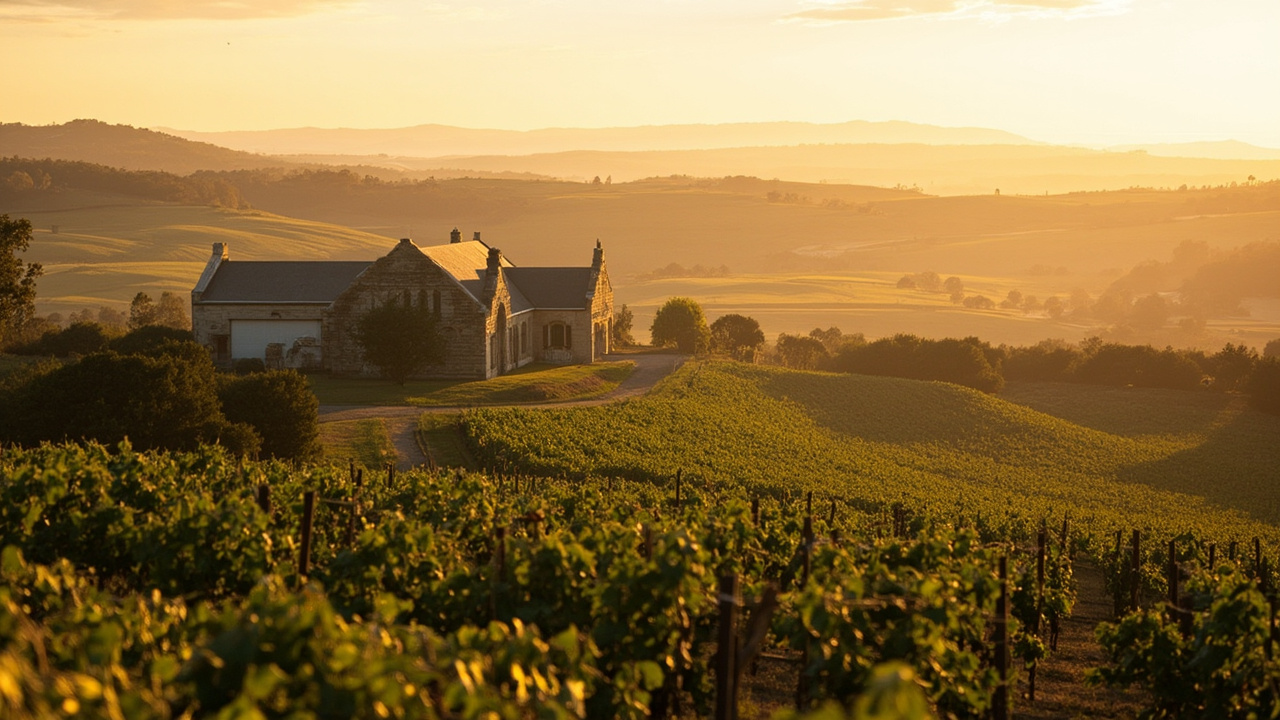
The Barossa has four usable seasons, and they pull in opposite directions. Autumn (March to May) is the harvest, the crush, the season every serious visitor times their trip around, and the only season where you can walk a working winery floor. Winter (June to August) is the quiet valley, the fireplace tastings, the long lunches with no queues. Spring (September to November) is the green vine reset, mild weather, blossom, and the cheapest premium accommodation of the year. Summer (December to February) is hot, peak-priced, festival-heavy, and the only season to avoid for a first Barossa trip. The four seasons rank in reverse order for crowds: winter is empty, summer is full, and the trade-off for the autumn rush is that premium tours book out four to six weeks ahead in March and April.
Disclosure: We may earn a commission when you book through Viator links on this page, at no extra cost to you. Prices reflect 2026 starting rates; seasonal tour availability varies, and the autumn premium tours in the Barossa book out four to six weeks ahead in March and April. Confirm dates directly with the operator before committing to flights and accommodation.
Barossa seasons at a glance
seasonal Barossa tours
The honest seasonal map, with what each season delivers for visitors versus what it costs:
Autumn (harvest)March, April, May
Best time to visit. Veraison finishes in early March, harvest kicks off mid-March in the warmer sub-regions around Tanunda and Lyndoch, and the crush runs through April into early May. Winery floors open for visitors between vintage runs, several estates run "crush and taste" experiences where you pick grapes in the morning and press them in the afternoon, and the September release of the previous year's reds is on shelves. Weather sits between 12C overnight and 26C by mid-afternoon. The light is the show: golden hour over the vine rows from late April into May is the reason photographers book the Barossa in autumn. The catch: premium small-group tours book out four to six weeks ahead, accommodation doubles in price from the winter baseline, and the October long weekend pulls a domestic crowd that fills every restaurant in the valley.
Winter (cellar door)June, July, August
The quiet season. Temperatures drop to 4C overnight and reach 14C by mid-afternoon. Rain is light and infrequent, mostly falling in July and August on three to five days per month. The valley empties out: international visitors drop 80%, the wine tour buses thin to one or two a week on weekdays, and the cellar doors that close for parts of summer stay open year-round. The fireplaces come on at
Penfolds,
Seppeltsfield,
Henschke, and Torbreck from June. Winter is the season for slow tastings of museum-stock Shiraz and aged Riesling, long lunches at the estate restaurants with no reservation needed, and the cheapest premium accommodation of the year at roughly 40% below autumn rates. The honest framing for an international visitor: if you want the Barossa without the crowds and at the lowest price, July is your month.
Spring (green vine)September, October, November
The underrated season. Budburst runs mid-September, the canopy fills out through October, and the first blossoms show in late October into November. Weather climbs from 8C overnight to 22C by mid-afternoon. The spring release whites (Riesling, Semillon, Chardonnay) hit shelves in September, and several estates run vertical tastings against the new vintage. Daylight saves starts in early October, which extends cellar door hours. The premium is that visitor numbers climb 30 to 40% above winter but stay well below autumn, and the weather is reliably dry. The catch is the October long weekend (Melbourne Cup weekend pulls South Australian crowds) and the November weather swings, where a cold front out of the Southern Ocean can drop 15C overnight. Spring is the right pick if you want a balanced trip, walkable vineyard days, and shoulder pricing.
Summer (festival)December, January, February
The peak season, used sparingly. Daytime temperatures hit 35C to 42C in January and February, the vine work slows, and the cellar doors that close for parts of summer include several smaller boutique producers. The reason visitors come in summer: the festival calendar. The Barossa Vintage Festival runs every two years (even years, with 2026 confirmed), the Gourmet Weekend takes over the valley in late April into early May (autumn shoulder between harvest and the cold), the Crush festival runs early autumn, and the Summer Cellar Door Series runs through January. The honest framing: if your only available travel window is summer, the Barossa is workable for a short trip anchored around cellar door mornings (10am to noon) and indoor afternoon tastings, but skip July and August expectations of cool weather crowds: prepare for heat, queues at the popular estates, and roughly 35% higher accommodation rates than winter.
The summary: autumn is the headline, winter is the secret, spring is the smart pick, and summer is the festival window. If you have one trip and you want the Barossa at its most photogenic and most operational, target the second half of March into mid-April. If you have flexibility and want low prices and empty cellar doors, July is the cleanest pick.
Weather, crowds, and prices by season
The honest numbers, drawn from Bureau of Meteorology averages and three years of walking the valley:
- Temperature range: Summer 16C to 38C, autumn 9C to 25C, winter 4C to 14C, spring 7C to 22C. The Barossa sits at roughly 250 to 350 metres elevation, which keeps overnight temperatures 3C to 5C below Adelaide.
- Rainfall: Roughly 480mm a year, with June to August the wettest quarter at 130mm combined. Summer is the driest quarter at under 60mm. Drought runs are common in November and February.
- Crowd levels (relative): Winter 1, spring 3, autumn 5, summer 4 (with autumn surges around the October long weekend and the Vintage Festival if it runs that year).
- Premium accommodation rates (mid-range, double): Winter AU$180 to AU$280, spring AU$260 to AU$380, autumn AU$380 to AU$520, summer AU$320 to AU$460. Annual peak is the second weekend of October and the Vintage Festival week.
- Cellar door opening hours: Most estate cellar doors run 10am to 5pm year-round; boutique producers reduce to weekends only in July and August, and a handful close for a fortnight in late January. Confirm the specific estate before you drive out.
- Tour availability: Premium small-group tours run daily from September through May, four days a week from June through August. Harvest and crush experiences run from mid-March to early May only. The wine tour buses thin significantly in July and August.
Bookable seasonal experiences
The two tours below are bookable on Viator and cover the two seasons most visitors actually time their trip around: the autumn premium tasting, and the year-round barossa wine tour format that runs reliably through every season. Pick by the season your trip falls in, not by lowest price.
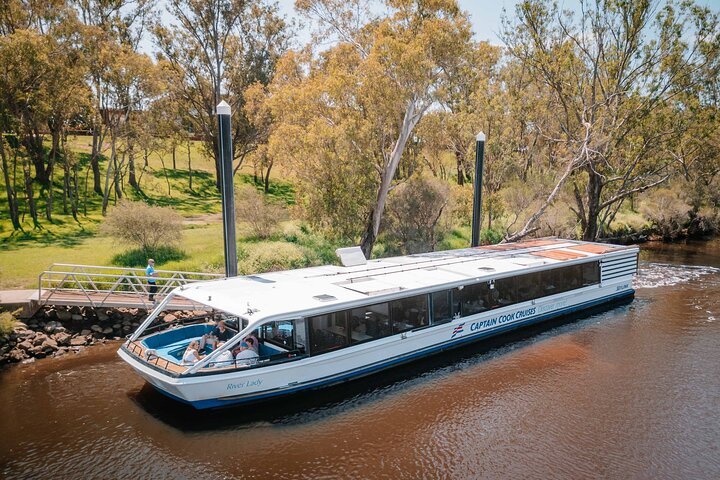
Barossa Valley Premium Wine Tasting Experience with Winery Lunch
Small-group format capped at twelve guests, regional guide, three premium cellar doors in the Barossa including older-vine Shiraz labels, and a sit-down winery lunch in the middle. The strongest one-day premium format in the Barossa and the right pick for autumn travellers who want the harvest energy without the crush-floor handling. Picks up from Adelaide hotels around 9am, returns by 5pm. The winery lunch is the differentiator, with multi-course regional food paired with the day's pours rather than a cheese board. Runs daily September through May, four days a week through winter. Books out four to six weeks ahead in March and April.
From US$185
Check availability →
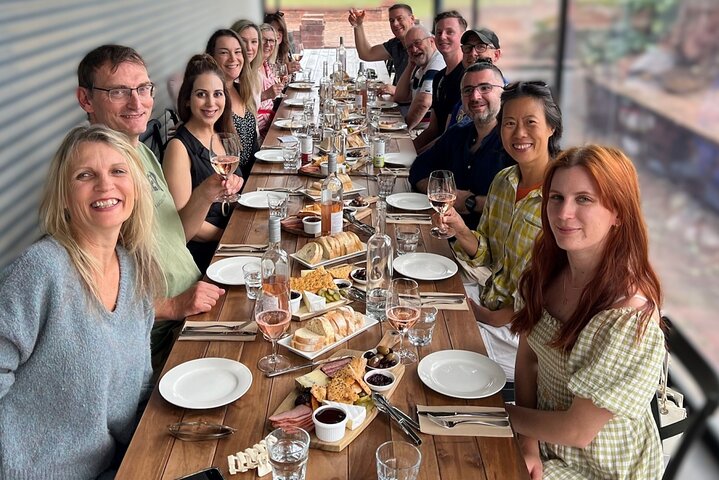
Barossa Valley Full-Day Wine Tour
Full-day small-group format covering three to four cellar doors across the Barossa with a regional guide, multi-stop itinerary, and lunch included. The cleanest fit for shoulder-season travellers who want a single bookable format across spring, autumn, and the less crowded parts of summer. Runs roughly eight hours, Adelaide hotel pickup and drop-off included. The right balance if you want to cover both the bigger Penfolds, Henschke, Seppeltsfield and Yalumba anchor estates and two or three boutique producers on the same day without driving yourself. Books out two to three weeks ahead in autumn.
From US$169
Check availability →
How to pick the right season for your trip
The honest decision tree, based on what kind of trip you are planning:
One trip, red wine and harvest energy, mid-March to mid-April: Autumn is the only season that delivers the crush floor experience, the photo light, and the cellar door energy all at once. Book the Barossa Premium Wine Tasting with Winery Lunch four to six weeks ahead, target the second half of March if you can move dates slightly, and stay three nights to cover a Tanunda-side wine day, a Maggie Beer Farm Shop lunch in the eastern Barossa, and a slow morning at Seppeltsfield. The Barossa Valley guide covers the cellar doors and the sub-regional breakdown.
One trip, lowest price and quietest cellar doors, July: Winter is the cheapest and emptiest season. The wine tour buses thin to one or two a week on weekdays, the fireplace tastings at Penfolds, Seppeltsfield, and Henschke are reliably on, and you can walk into the estate restaurants on Saturday without a booking. The honest trade-off: shorter daylight (cellar doors close 4pm to 5pm), cool weather, and one or two boutique producers on reduced winter hours.
One trip, shoulder season with mild weather, mid-September to mid-November: Spring is the underrated pick. Temperatures sit between 8C and 22C, the canopy fills out, the spring release whites hit shelves in September, and visitor numbers sit roughly 30% below autumn peaks but the cellar doors and tour operators are fully operational. The September long weekend pulls a domestic crowd, and the October long weekend does the same at much higher volume. Avoid those two weekends if your dates are flexible.
One trip anchored around a festival: Vintage Festival runs in even years (next confirmed April 2026, then April 2028). The festival week pulls accommodation up roughly 80% above winter baseline and fills every wine tour and restaurant. Book at least three months ahead. The Crush Festival runs in early autumn (typically March), and the Summer Cellar Door Series runs through January. Festival weeks are workable but expensive; pick them on purpose.
One trip with no season flexibility: Summer is workable. Plan cellar door mornings (10am to noon) and indoor afternoon tastings at the bigger producers (Yalumba's wine room, Penfolds Magill Estate restaurant, Henschke). Avoid the boutique cellar doors in late January, where some close for a fortnight. Premium small-group tours still run, but most guide operators rotate their teams for the heat. The broader Australian wine region seasonal calendar covers the comparable timing for other regions if your dates are fluid.
What to actually avoid by season
- Avoid the autumn premium tour without a four-week booking window. The good operators cap at twelve guests per day. The second half of March and all of April book out four to six weeks ahead. Walk-ups in March get the leftovers, which means the bigger tour buses, not the small-group format.
- Avoid winter self-drive days without confirming cellar door hours. A handful of the smaller boutique producers close on weekdays from June through August. Seppeltsfield, Penfolds, Henschke, and Yalumba are open every day. The smaller estates are not.
- Avoid the October long weekend. Melbourne Cup weekend pulls South Australian visitors in volume. Accommodation doubles, every wine tour books out, and the popular estate restaurants stop taking reservations two to three weeks ahead.
- Avoid summer afternoon walks between cellar doors. Daytime temperatures hit 38C to 42C in January and February. Walking between vineyards mid-afternoon is dangerous. Plan the cellar door mornings on foot, the afternoons air-conditioned, and the evening dinners indoor.
- Avoid relying on the Vintage Festival schedule as your only reason to book autumn. The festival runs biennially. If you book autumn purely for the festival and the dates move, you are paying autumn peak rates for a normal weekend. Confirm the festival dates are current before booking flights.
- Avoid the second week of January. Most boutique cellar doors close for a fortnight, the bigger estates run reduced hours, and the tour operators thin their guide teams. Pick the first or last week of January if summer is your only option.
Quick answer: when should I visit the Barossa?
One trip, no flexibility, want the most operationally rich visit: The second half of March into mid-April. Barossa Premium Wine Tasting with Winery Lunch, four-week booking window, three nights in Tanunda or the eastern Barossa. The best combination of harvest energy, cellar door availability, and photo light.
One trip, lowest price, accept cooler weather: July. Winter premium small-group tours, fireplace tastings at the big estates, and roughly 40% lower accommodation than autumn rates. The trade-off is shorter daylight and one or two boutique producers on reduced winter hours.
One trip, mild weather and shoulder pricing: Mid-September to mid-November, avoiding the October long weekend. Spring release whites hit shelves, the canopy fills out, and visitor numbers sit comfortably below autumn peaks.
One trip anchored around a festival: Vintage Festival in April of even years (2026, 2028). Book at least three months ahead, expect autumn peak rates, and plan around the festival week schedule rather than fitting into a normal wine tour day.
That is the honest short list. The four seasons pull in opposite directions on price, crowds, weather, and operational availability. If you can move dates, target late March or July. If your dates are fixed, the Barossa works in every season with the right booking window and the right cellar door plan. For the bigger picture on Australian wine regions, the main regional hub covers the broader planning side.
About the author
Celeste Blackwood is an Australian wine region expert who has spent the last decade writing about Victorian and South Australian wine regions, with regular detours into Margaret River and the Hunter. She lives in Melbourne, visits the Barossa at least twice a year across different seasons, and has covered Australian premium wine travel since 2019. She contributes regional cost and seasonal guides to Vines & Plates.
Explore More
Related comparisons and guides: