Top Rated
Top Pick
Explore More
Related comparisons and guides:
Adelaide Hills, SA
Adelaide Hills Wine & Food Tours
South Australia's high country. Cool-climate wines, the heritage village of Hahndorf, and a food culture shaped by German, Italian, and modern Australian influences — 30 minutes from Adelaide.
The Region
Why Adelaide Hills Is Worth the Trip from Adelaide
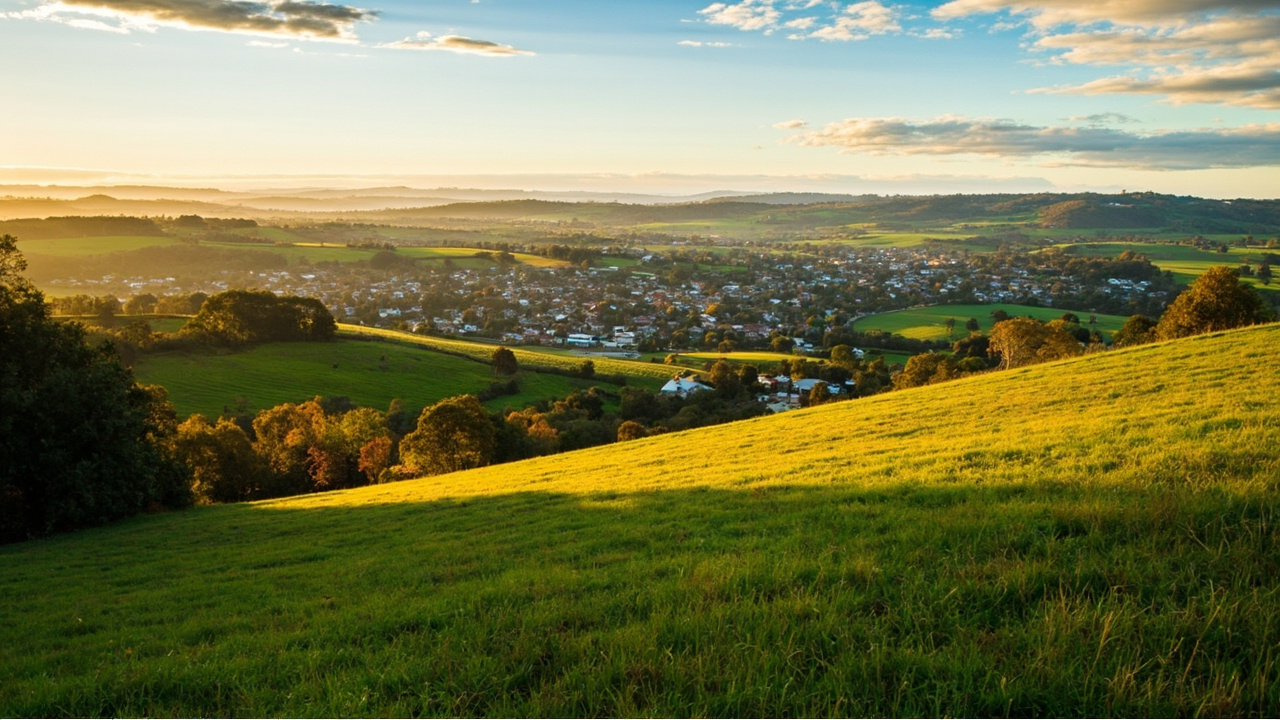
The Adelaide Hills is South Australia's cool-climate counterpoint to the Barossa and McLaren Vale, a high-altitude region where the elevation (averaging 450–550 metres above sea level) creates a cool growing environment. This is where Adelaide goes to escape the summer heat, and where some of the state's most interesting white wines are made.
The region's signature varieties are sauvignon blanc and chardonnay; both perform exceptionally well in the cool, high-altitude environment. The Adelaide Hills is arguably South Australia's most important region for sauvignon blanc, producing styles with a crispness and aromatic intensity that differs markedly from the warmer regions. The pinot noir is also worth attention, some excellent cool-climate examples have emerged from the region in recent years.
The cultural identity of the Adelaide Hills is inseparable from Hahndorf — Australia's oldest surviving German settlement, founded in 1839. The village retains a distinctive character: historic buildings, German bakeries and smallgoods shops, and a food culture that still reflects this heritage. Tours that combine the Hills wine region with a Hahndorf food component are among the most distinctive on offer in South Australia.
Regional Identity
Cool-Climate Wine at Elevation
The Adelaide Hills is defined by altitude. At 450–550 metres above sea level, the region sits well above the Adelaide Plains, capturing cooler air from the Gulf St Vincent and the Southern Ocean. This high-country climate means a longer, slower ripening season — grapes hang longer, developing aromatic complexity without the jammy concentration of warmer zones.
Sauvignon blanc is the region's flagship. Adelaide Hills sauvignon blanc tends toward the pungent and aromatic; think passionfruit, citrus, and fresh-cut herbs, with a mineral backbone that gives the wines length. It's a different style to the more tropical, full-bodied examples from Marlborough, and many wine lovers prefer the cooler, more restrained Adelaide Hills expression. The chardonnay is equally strong: less about oak and more about site purity and natural acidity, with some outstanding examples coming from Piccadilly and Lenswood.
Pinot noir has become the region's quiet achiever. The cool climate suits this finicky variety, and the best Adelaide Hills pinot noir shows a spiced red fruit character with silky tannins, a style that sits comfortably between the lighter, more herbaceous Central Otago model and the richer, darker Yarra Valley examples.
Compared to the Barossa Valley, the Adelaide Hills is more refined and less obviously powerful, a region for wine lovers who value subtlety and precision over bold, fruit-forward expression. Against McLaren Vale, the distinction is even starker: the Vale is warm and coastal, producing bold, plush reds; the Hills are elevated and cool, producing aromatic whites and silky cool-climate reds.
When to Go
Best Time to Visit the Adelaide Hills
Spring (September–November) is the most popular time to visit the Adelaide Hills. Mild daytime temperatures (15–22°C), wildflowers in bloom across the hills, and vines in fresh new growth make for a scenic visit. This is also the time of the Adelaide Hills Wine Festival, held each October, cellar doors open their gates for tastings, food pairings, and behind-the-scenes tours.
Autumn (March–May) brings cooler evenings and the harvest activity of vintage. If you visit in late March or April, you may catch the tail end of harvest, a fascinating time to see winemaking in action. The autumn foliage across the hills (especially around Hahndorf and Stirling) is a draw in its own right, with deciduous trees turning amber and gold against the evergreen eucalyptus backdrop.
Summer (December–February) is workable if you start early. The hills are cooler than the Adelaide CBD, a welcome relief on 35°C+ city days, but by mid-afternoon warmth returns. Most cellar doors open by appointment or with reduced hours in January, so plan ahead.
Winter (June–August) is the quietest season. Cellar doors are less busy, winemakers are more available for conversation, and the landscape takes on a moody, green character from the winter rainfall. Some small producers close entirely, so call ahead. But for those who prefer a slower, more intimate cellar door experience, winter has real appeal.
Producers
Key Wineries & Producers
The Adelaide Hills is home to over 60 wineries and more than 90 cellar doors. The region covers several sub-zones — Mount Lofty, Lenswood, Piccadilly Valley, and the lower Hills each have their own microclimate character.
Among the region's most respected names, Petaluma was one of the pioneers; its white wines set benchmarks for Australian chardonnay and riesling in the 1970s and 80s. Ashton Hills (now part of the ASX-listed South Australian Wine Group) remains a source of exceptional small-batch cool-climate wines, with a particular focus on pinot noir and shiraz from its elevated Lenswood vineyard.
Newer voices include Deviation Road, known for its traditional-method sparkling wines and cool-climate chardonnay, and Golding Wines in the lower hills, which has built a strong reputation for its peppery, medium-bodied pinot noir. Macclesfield; both the area and the winery of the same name — has emerged as a source of reliable, well-priced Adelaide Hills wines across multiple varieties.
For food and wine pairing experiences, several cellar doors have established restaurants or tasting kitchens: Mount Lofty Ranges Vineyard has an on-site restaurant with views across the hills; The Lane Vineyard offers a complete food-and-wine experience with an emphasis on local, seasonal produce.
Getting There
Adelaide Hills Tour Options from Adelaide
The Adelaide Hills is approximately 30 minutes from Adelaide CBD; one of the most accessible wine regions from any Australian capital city. Most tours depart from Adelaide and include hotel pickup, making it suitable for day trips without a car.
Hop-on hop-off tours are a popular option for independent travellers. These allow you to build your own itinerary across multiple cellar doors, pausing where the wines catch your attention. The Hahndorf & Adelaide Hills Hop-On Hop-Off Wine Tour covers both the wine region and the heritage village in a single day, a combination that makes the most of the region's dual appeal.
Small-group tours (maximum 10–12 passengers) are suitable for travellers who want a more selected experience, with a knowledgeable guide providing context on the region's history, terroir, and wine styles. These tours typically include cellar door visits, a winery lunch, and time in Hahndorf, and represent the most popular format for first-time visitors.
Private tours suit those celebrating a special occasion or travelling as a couple. The Private Adelaide Hills Wine Region Tour offers a dedicated vehicle and itinerary, with flexibility to linger at favourite cellar doors or request specific producers. For serious wine enthusiasts, a private tour allows access to cellar doors that don't participate in group tour programs.
Handpicked Tours
Popular Adelaide Hills Wine Tours
Tours from Adelaide include transport, winery visits, and lunch. The Adelaide Hills is known for cool-climate pinot noir and aromatic whites; worth knowing before you go.
We may earn a commission when you book through links on this page, at no extra cost to you. We only recommend tours we believe in.
⭐ Editor's Pick
Private
Top Rated
Small Group
Adelaide Hills & Hahndorf Full-Day Small Group Wine Tour
From $189/person
Common Questions
Adelaide Hills Wine Tour FAQs
Official info: Wine Australia — Adelaide Hills