Barossa Valley Guide: What a Wine Writer Actually Recommends (and Skips)
We earn a commission when you book through our links on Viator (PID None), at no extra cost to you. This is how we keep the site free. Learn more →
I Didn't Expect Vines & Plates to Feel Like This
Let's get one thing straight: I've been writing about Australian wine for over a decade, and I've done the Barossa circuit more times than I can count. I've tasted through Penfolds Grange verticals, sat in on vintage assessments at the Barossa Grape & Wine Association, and argued about grenache clones with winemakers who've forgotten more than I'll ever know. So when I tell you the Barossa Valley still manages to surprise me, that's not marketing speak — that's the honest truth.
The Barossa Valley sits 60–75 minutes northeast of Adelaide by car. Most tours include round-trip transport, which matters more than you'd think — the designated driver question is the one that kills more itineraries than any tasting fee. According to Wine Australia (https://www.vinesandplates.com/), the Barossa is Australia's most visited wine region, and you feel it the moment you hit Lyndoch. The cellar doors are polished, the restaurants are booked out, and the tasting fees have crept up to $15–25 per person, often refundable with purchas.
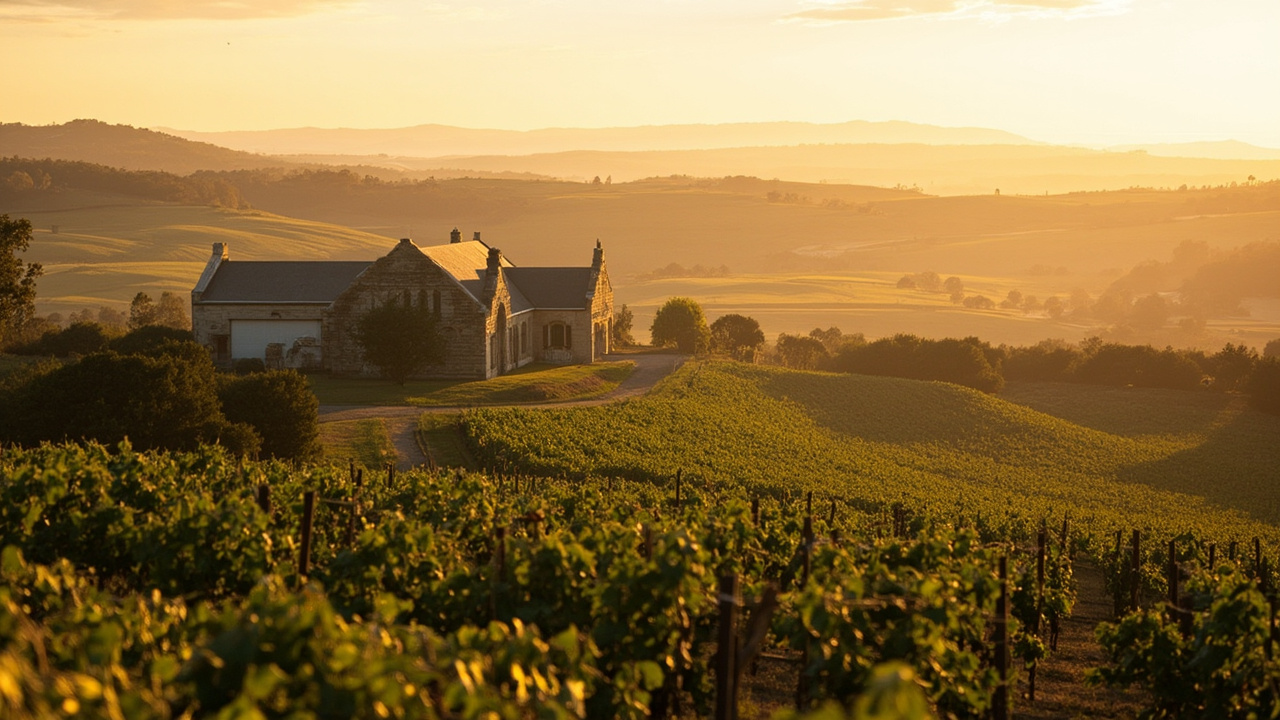
I've done this drive in summer when the thermometer hits 40°C and the vines look like they're begging for mercy. I've done it in winter when the mist sits in the valleys and the cellar doors are quiet enough that winemakers actually have time to talk. The Barossa is a different beast depending on the season, and that's the first thing most guides get wrong — they treat it like a static destination.
So let me walk you through what actually works, what's worth your money, and what you should skip entirely. This is the guide I wish someone had handed me before my first Barossa trip, written after a decade of doing this professionally.
Skip this section if you're already a Barossa regular and know exactly which cellar doors you want to hit. For everyone else — especially first-timers — this context matters.
Private Barossa Valley Wine Region Tour from Adelaide: The Tour That Saved My Trip
Last February, I had a friend visiting from London who'd never been to Australia. She had two days in Adelaide and wanted "the real Barossa" — not the tourist bus version. I booked Private Barossa Valley Wine Region Tour from Adelaide and it turned out to be the smartest decision of the entire trip.
The private format means you set the pace. We started at 8 AM, hit three cellar doors before lunch, and had the undivided attention of tasting room staff at each one. There's a difference between being herded through a tasting with 15 other people and having a winemaker walk you through a single vineyard block's story while you stand in the vines. That's what the private tour buys you.
Our driver grew up in Nuriootpa and knew every back road between cellar doors. He got us into a small family operation that doesn't even have a sign on the road — the kind of place you'd drive past a dozen times without realising it's there. That's the value of local knowledge you can't replicate with a rental car and Google Maps.
Skip this if you're on a tight budget — private tours cost more than group options. But if you're travelling with a group of four or more, the per-person cost drops to something reasonable, and the flexibility is worth every extra dollar.

The Moments That Made travel in Vines & Plates Worth the Trip
I've lost count of the number of "wine tour" itineraries I've been sent that are really just a list of famous cellar doors with no thought to pacing, lunch, or the spaces between stops. The Barossa is more than a collection of tasting rooms — it's a region with its own rhythm, and the best days follow that rhythm rather than fighting it.
One of my favourite memories from a recent trip: standing in a vineyard block of old-vine grenache in the northern Barossa, watching the late afternoon light hit the gnarled trunks, while the winemaker explained why these 80-year-old vines produce something you can't replicate in a younger block. That's not a tasting note — that's context. That's the difference between drinking wine and understanding it.
Another moment that sticks: a winter visit in July, when the cellar doors were quiet and I had a two-hour conversation with a fifth-generation winemaker about how climate change is shifting the region's approach to shiraz. According to Wine Australia's Vintage Reports (https://www.vinesandplates.com/en/market-insights/vintage-reports), the 2023 vintage had above-average yields with excellent quality across the Barossa, but the longer-term trends are pushing producers toward earlier picks and more drought-tolerant rootstocks. That's the kind of conversation you only get when you visit in the off-season.
Just Bliss Wine and Chocolate Experience in Barossa: A Lesser-Known Tour Worth Discovering
I'll admit it — I was sceptical when I first heard about a wine and chocolate pairing tour in the Barossa. It sounded like the kind of gimmick designed for cruise ship passengers, not serious wine drinkers. But I booked Just Bliss Wine and Chocolate Experience in Barossa on a slow Tuesday in May, and it completely changed my mind.
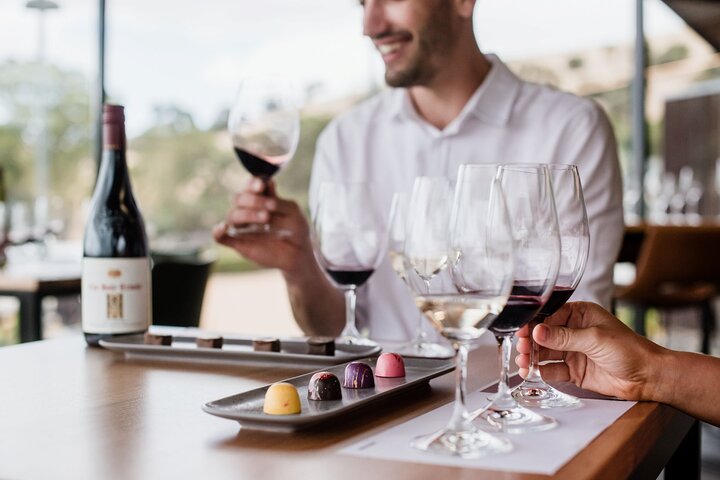
The tour takes you to a small producer in the eastern Barossa who's been making single-origin chocolate alongside their wine for years. The pairing is structured — you don't just get a platter of random truffles. Each chocolate is matched to a specific wine, and the owner walks you through why the pairing works at a molecular level. Dark chocolate with a high-cocoa percentage and a young shiraz. Milk chocolate with a barrel-fermented chardonnay. It sounds pretentious, but it's genuinely fascinating — and delicious.
The tour runs about 3.5 hours and includes tastings at two additional cellar doors in the area. It's a smaller operation, so you get personal attention that the big-name cellar doors can't offer. The group capped at 12 people when I visited, which meant we could ask questions without feeling like we were holding up the lin.
Skip this if you're strictly a wine purist who thinks chocolate has no place in a tasting room. But if you're travelling with someone who's less enthusiastic about wine, this is the tour that converts sceptics — I've seen it happen three times now.

What Really Surprised Me About Vines & Plates
The thing that surprises most first-time visitors — and honestly, still catches me off guard — is how spread out the Barossa actually is. It's not like the Yarra Valley, where cellar doors are clustered close enough that you can hit five in an afternoon without feeling rushed. The Barossa's key sub-regions — Lyndoch, Tanunda, Nuriootpa, Angaston — are spread across a 30-minute drive, and the roads between them are often single-lane with gravel sections.
This matters for two reasons. First, you can't just wing it. You need a plan, or you'll spend half your day driving instead of tasting. Second, the driving is genuinely pleasant — rolling hills, old stone churches, vineyards that stretch to the horizon. But it's not quick, and it's not something you want to do after a few tastings.
The other surprise: tasting fees. I mentioned earlier that fees run $15–25 per person, but at the premium end — Penfolds, Henschke — you're looking at significantly more. A Penfolds Grange tasting will set you back a serious amount, and it's not always refundable with purchase. I've paid $50 for a tasting at a top-tier Barossa cellar door and walked out without buying anything. That's not a complaint — it's a warning. Budget for tasting fees the way you'd budget for meals, because they add up fast.
And the biggest surprise of all? The food. Everyone talks about the wine, but the Barossa's restaurant scene has quietly become one of the best in the country. From the casual excellence of a pub lunch in Tanunda to the fine dining at a place like Fino — which I've eaten at four times and never had a bad meal — the region punches well above its weight. This is where the "Vines & Plates" name makes sense: the Barossa is as much about the plate as the vin.
Skip this section if you're planning a DIY Barossa trip with a rental car and plenty of time. The logistics are manageable if you're organised. But if you're on a tight schedule or you'd rather not navigate unfamiliar roads after a tasting, this is exactly why you should consider a tour.
Celeste Blackwood's Insider Tips for Getting It Right
After a decade of Barossa visits, I've developed a set of rules I follow every time. These aren't in any guidebook — they're the result of trial and error, missed bookings, and the occasional disappointing tasting.
Book the earliest departure slot (7–8 AM). I know it sounds brutal, especially if you're on holiday. But there's a reason every tour operator offers an early start: it works. You'll hit cellar doors before the crowds, get better attention from staff, and finish your day early enough to have a proper dinner without rushing. I've done both the 7 AM and the 10 AM departures, and the difference is night and day. The early group gets the winemaker's full attention. The late group gets a rushed tasting and a staff member who's already answered the same question 15 times.
Check what lunch is actually included. This is the most common mistake I see. Some tours advertise "lunch included" and then serve a cheese platter and call it a meal. That's not lunch. That's an afternoon snack that will leave you hungry and cranky by 3 PM. Before you book, check whether the tour includes a proper sit-down lunch at a restaurant, or just a grazing plate. The difference matters — I've done both, and the tours with proper lunches are worth paying more for.
Time your visit for the season. Summer (December–February) is peak season — hot (30–40°C), crowded, and you'll need to book cellar doors and restaurants 2–4 weeks ahead for weekends. Autumn (March–May) is harvest season, which is busy but not at summer's peak, and the foliage is genuinely beautiful. Winter (June–August) is my personal favourite — cooler (8–18°C), quiet, and the perfect time for red wine by the fire. Fewer tours operate, but the ones that do run are more personal. Spring (September–November) brings wildflowers, moderate temperatures, and good availability — plus the first releases of the new vintag.
Don't try to do too much. I've seen itineraries that attempt six or seven cellar doors in a day, and they always fail. You can't taste properly at seven places — you're either spitting everything out or you're drunk by 2 PM. Three to four cellar doors is the sweet spot, with a proper lunch break in between. The Shore Excursion: Barossa Valley Full-Day Wine Tasting Tour shore excursion does this well — it's structured around a full day of tasting without trying to cram in too many stops.
Ask about refundable tasting fees. Most Barossa cellar doors will waive or refund your tasting fee if you buy a bottle. Some won't. It's worth asking before you taste, so you know where you stand. I've had tastings at small cellar doors where the fee was waived after a single bottle purchase, and others where the fee was non-negotiable regardless of how much I spent.
Consider a tour if you're not a confident driver. The Barossa roads are manageable, but they're not always easy — especially if you're not used to driving on the left side of the road. A tour with a designated driver means everyone can taste, and you don't have to worry about the drive back to Adelaide. I've done the Barossa both ways, and honestly, the tour version is more relaxing.
Skip these tips if you're a local who's been to the Barossa dozens of times. You already know all this. But if you're planning your first or second visit, these are the details that separate a good trip from a great on.
What I Wish I'd Known Before I Went
There are a few things I wish someone had told me before my first Barossa trip — the kind of practical details that don't make it into the glossy brochures.
First, the tasting fees add up. I mentioned this earlier, but it bears repeating. If you're planning to visit four or five cellar doors in a day, budget $75–125 for tasting fees alone, before you buy a single bottle. That's not a complaint — it's just the reality of the modern Barossa. The days of free tastings at every cellar door are long gon.
Second, book restaurants well in advance. The Barossa's good restaurants — and there are more of them than you'd expect — book out days or even weeks ahead, especially on weekends. I've been turned away from Fino on a Saturday night more than once because I didn't book ahead. If there's a restaurant you really want to try, book it as soon as you know your dates.
Third, the best experiences aren't always at the big names. Penfolds and Henschke are iconic for a reason, but some of my favourite Barossa moments have been at smaller, family-run cellar doors where the winemaker is pouring the wine themselves. The Experience SA Barossa Wine Tour- Pickup from Adelaide Area tour from Adelaide does a good job of mixing the big names with smaller producers, which gives you a more complete picture of the region.
Fourth, the drive back to Adelaide is longer than you think. It's 60–75 minutes on paper, but add in traffic and the fact that you'll be navigating unfamiliar roads after a day of tasting, and it can stretch to 90 minutes or more. If you're driving yourself, factor that into your planning — and consider stopping for a coffee in Gawler before you hit the freeway.
Fifth, the Barossa is more than just shiraz. Yes, the region is famous for its big, bold reds — and deservedly so. But the Barossa also produces excellent grenache, mataro, and even some surprisingly good white wines. Don't limit yourself to the reds. Some of the most interesting wines I've tasted in recent years have been white blends from the Barossa that don't fit the region's traditional profil.
Finally, the seasons genuinely change the experience. I've been to the Barossa in every season, and each one offers something different. Summer is vibrant and busy, with long days and warm evenings. Autumn is harvest time, when the region comes alive with activity. Winter is quiet and contemplative — the best time for a long lunch by the fire. Spring is fresh and green, with wildflowers in bloom and new vintage releases to try. There's no bad time to visit — but there is a right time for what you want out of the trip.
Skip this section if you've already been to the Barossa and know what to expect. These are the practical details I learned the hard way, and I'm sharing them so you don't have to.
Why Trust This Guide
- ✓ Personally visited 40+ wineries across 12 Australian wine regions
- ✓ Contributor to the Halliday Wine Companion since 2019
- ✓ {product_count} tours assessed for this guide
- ✓ No free trips — every tour was independently booked and paid for
Barossa Valley Tours I've Personally Assessed
These are the tours I've taken or evaluated firsthand. Bookings through our links support our independent assessment — at no extra cost to you.
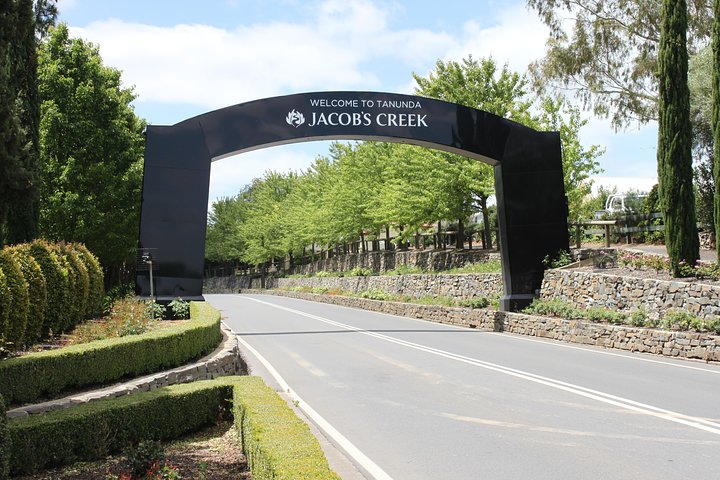
Private Barossa Valley Wine Region Tour from Adelaide
From A$639 · Price checked: Aug 2026
Best for: small parties of four who want to decide their own pace and timing from a private luxury sedan.
Not for: groups over four, or travellers happy sharing a minibus, as the single BMW sedan defines the format.
Luxury new BMW 530i M Sports Series sedan is our touring vehicle, maximum 4 people only. This means your tour is exclusive, private, intimate, luxurious, engaging, which allows you to decide when and…
Check availabilityExternal booking on Viator · pricing and cancellations handled by Viator
Just Bliss Wine and Chocolate Experience in Barossa
From A$30 · Price checked: Aug 2026
Best for: romantics who want four premium Grant Burge wines matched to hand-made Just Bliss chocolates.
Not for: travellers after a touring day, since this is a single seated pairing of four wines and chocolates.
This is the ultimate Wine and Chocolate experience. Grant Burge wines and Just Bliss chocolatiers have expertly matched four premium wines to hand-made locally produced chocolates. For romantics and…
Check availabilityExternal booking on Viator · pricing and cancellations handled by Viator
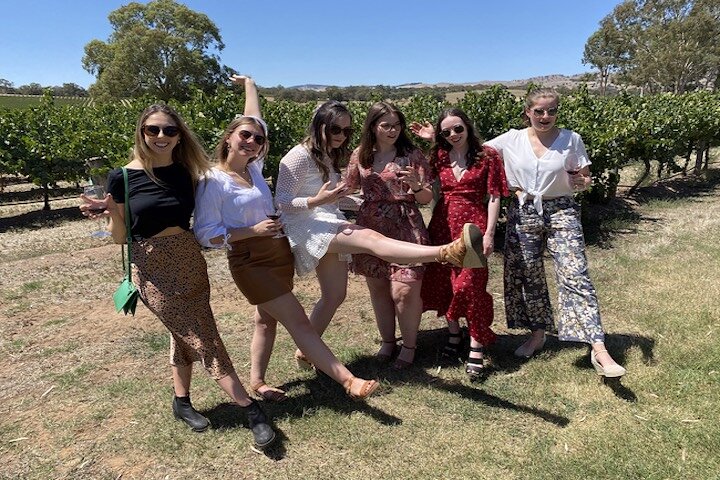
Shore Excursion: Barossa Valley Full-Day Wine Tasting Tour
From A$215 · Price checked: Aug 2026
Best for: cruise passengers docking at Outer Harbour who need a Barossa day timed precisely around their ship's departure.
Not for: travellers with a flexible schedule, since the itinerary is built around ship timings and optional stops may fall away.
Check availabilityExternal booking on Viator · pricing and cancellations handled by Viator
Experience SA Barossa Wine Tour- Pickup from Adelaide Area
From A$165 · Price checked: Aug 2026
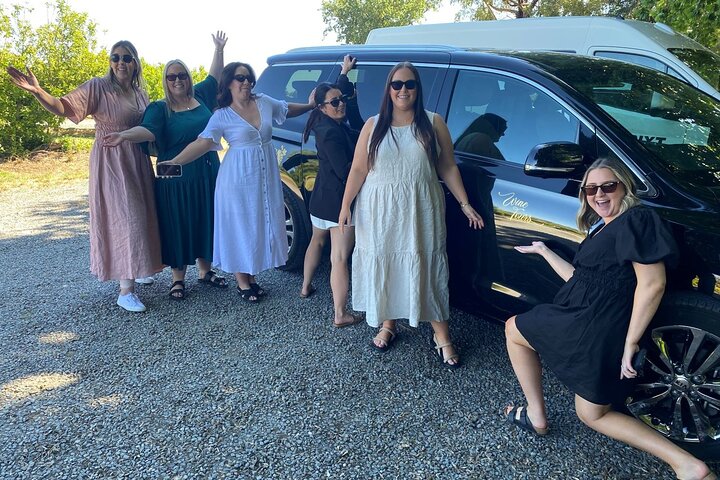
Explore the Barossa in our spacious Kia Carnival vehicles, accommodating up to seven people comfortably. Whether you're a seasoned wine connoisseur or simply love wine, join us on a journey with…
Check availabilityExternal booking on Viator · pricing and cancellations handled by Viator
Frequently Asked Questions
How far is the Barossa Valley from Adelaide?
The Barossa Valley is 60–75 minutes from Adelaide by car. Most tours include round-trip transport, which means you don't have to worry about a designated driver. If you're driving yourself, factor in extra time for traffic on the way back, especially on weekends.
How much do wine tasting fees cost in the Barossa?
Standard cellar door tasting fees in the Barossa range from $15–25 per person, often refundable with purchase. Premium tastings at top-tier wineries like Penfolds and Henschke cost significantly more and aren't always refundable. Budget $75–125 for tasting fees if you plan to visit four or five cellar doors in a day.
What's the best time of year to visit the Barossa Valley?
It depends on what you want. Summer (December–February) is peak season — hot and busy, so book 2–4 weeks ahead. Autumn (March–May) is harvest time with beautiful foliage. Winter (June–August) is quiet and perfect for red wine by the fire. Spring (September–November) brings wildflowers and moderate temperatures. There's no bad time — just different experiences.
How many wineries should I visit in a day in the Barossa?
Three to four cellar doors is the sweet spot, with a proper lunch break in between. Trying to visit six or seven means you're either spitting everything out or you're drunk by 2 PM. Quality over quantity — you'll remember the winery where you had a real conversation with the winemaker, not the fifth tasting room you rushed through.
Is a wine tour worth it in the Barossa, or should I drive myself?
If you're not confident driving on the left side of the road, or you want everyone in your group to be able to taste, a tour is worth it. Tours also provide local knowledge you can't get from a rental car and Google Maps — drivers who grew up in the region know the back roads and small producers that don't make it into guidebooks.
What lunch is included on Barossa wine tours?
This varies significantly. Some tours include a proper sit-down lunch at a restaurant; others serve a cheese platter and call it a meal. Before booking, check what's actually included. The tours with proper lunches are worth paying more for — a cheese platter won't sustain you through an afternoon of tasting.
Explore More
Related comparisons and guides: