Barossa Valley Seasons — A Complete Guide
We earn a commission when you book through our links on Viator (PID None), at no extra cost to you. This is how we keep the site free. Learn more →
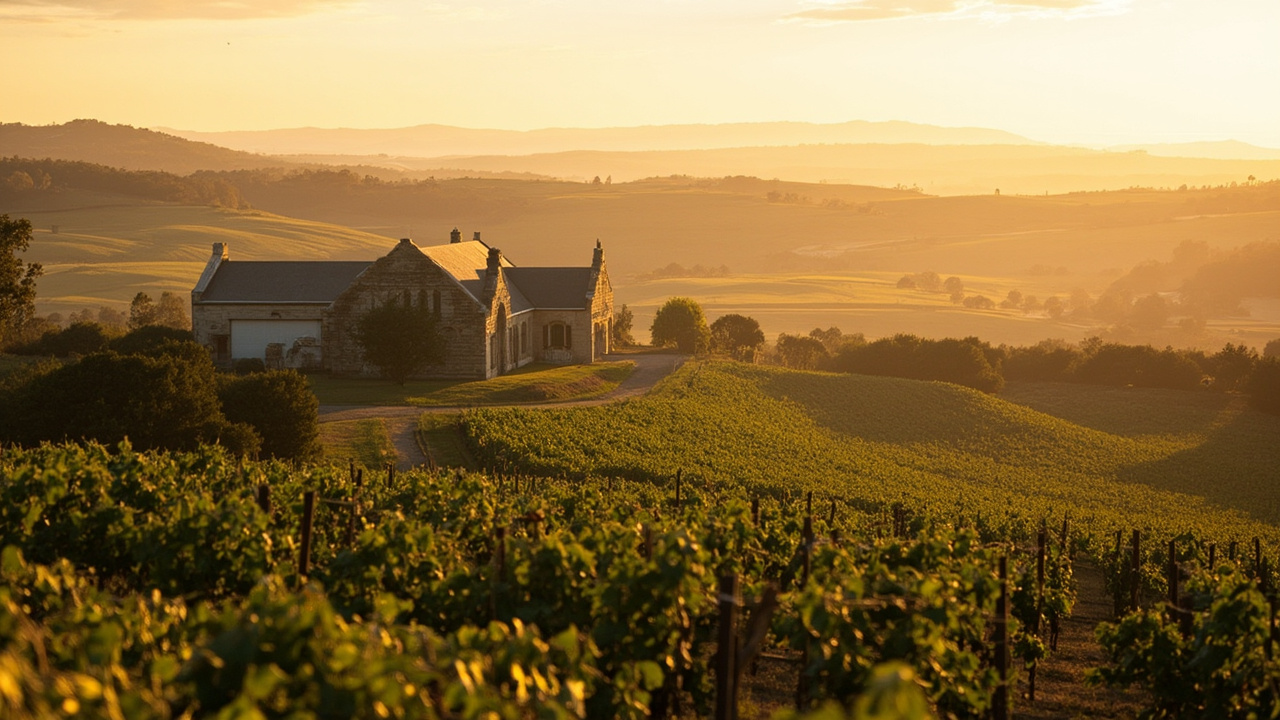
I've Been to Barossa Valley in Every Season. Here's the Truth
People assume the Barossa is best in summer. I made that mistake in January — 40 degrees, packed cellar doors, tasting fees doubled from winter rates, and a minibus with air-con that gave up somewhere between Tanunda and Bethany. I've now done the drive from Adelaide (60–75 minutes depending on traffic) in every season, and the honest answer is that winter beats summer for almost everything except swimming.
Summer (December to February) is peak season for a reason: school holidays, long daylight hours, and the vintage festivals. But it's also when the Barossa Grape & Wine Association's event calendar is busiest, when cellar doors like Henschke and Penfolds are queued out the door, and when the heat makes red wine tasting genuinely unpleasant. I've watched people pour out a full glass of shiraz because they were too hot to drink it. That's not a tasting, that's a waste of money.
Winter (June to August) is the opposite. Temperatures sit between 8 and 18 degrees, the morning mist sits in the valley until 10 AM, and the winemakers actually have time to talk. I stood by the open fire at Rockford in July last year while the cellar door manager walked me through the 2021 vintage — a conversation that never would have happened in January. The trade-off is that some smaller cellar doors close midweek, and a few tour operators drop to weekend-only schedules.
Autumn (March to May) is harvest season. The valley smells like crushed grapes, the foliage turns gold, and the pace is busy but not frantic. Spring (September to November) brings wildflowers, new vintage releases, and the most comfortable temperatures of the year. If you want the best of both worlds — good weather and fewer crowds — that's your window.
Private Château Tour and Tasting in Australia: Best in Peak Season
If you're coming in peak season, book the earliest departure slot — 7 to 8 AM. You'll hit cellar doors before the crowds and get better attention from staff. I've done this tour in January and the difference between the 8 AM and 11 AM groups is stark: the morning group gets the winemaker's full spiel, the afternoon group gets a rushed tasting and a staff member glancing at their watch. The Private Château Tour and Tasting in Australia works best when you're first through the door.
Skip this if you're on a tight budget — private tours in the Barossa run significantly higher than group options, and the premium is for flexibility, not better wine. The tour includes round-trip transport from Adelaide, which matters more in summer than you'd think. Driving yourself between cellar doors after four tastings is a bad idea, and the designated driver slot in a group tour means someone misses out.
According to Wine Australia's vintage reports, the 2021 and 2022 vintages in the Barossa were exceptional — the kind of years that make cellar door staff genuinely excited to pour. If you're visiting before those wines hit the secondary market, tastings are your only chance to try them.

The Month That Changed How I See Barossa Valley
June. I'd always written off winter as the off-season — the month when tours get cancelled and cellar doors close early. Then I spent a long weekend in the Barossa in June 2023, and it completely rewired my expectations. The valley was quiet, the fires were lit, and the winemakers were pouring their library wines because the cellar door wasn't three-deep with tourists.
Here's the practical reality: winter tasting fees at premium Barossa wineries like Penfolds and Henschke can exceed $40 per person, but many waive them with a purchase of two or more bottles. In winter, you're far more likely to make that purchase conversationally — the staff have time to talk you through the vintage, the vineyard, the oak regime. In January, you're lucky to get a pour and a price list.
The other winter advantage is accommodation. The Barossa's best restaurants — Hentley Farm, FermentAsian, Fino — are bookable in winter without the three-month lead time that summer demands. I walked into Fino in July on a Saturday night and got a table. In February, I've seen people turned away at the door.
Barossa Sightseeing, Food and Wine Premium Small Group Tour: Surprisingly Great in Low Season
The Barossa Sightseeing, Food and Wine Premium Small Group Tour is the tour I recommend to anyone visiting in winter or spring. It's a small group format — typically 8 to 12 people — which means the operator can run it in low season without cancelling for lack of numbers. I took it in August and we had six people on the bus. That's the sweet spot: small enough for genuine conversation, big enough that the tour actually runs.
The premium positioning matters in winter because it includes lunch at a proper restaurant rather than a cheese platter at a cellar door. I've seen too many budget tours call a board of cheddar and crackers "lunch" — that's not lunch, that's a snack. This one includes a sit-down meal at a winery restaurant, which makes the difference between a good day and a great on.
Skip this if you're a solo traveller on a backpacker budget — the premium price point doesn't make sense if you're watching every dollar. The standard group tours at half the price will get you to the same cellar doors, just with less comfortable transport and a more rushed schedul.
Packing Lessons I Learned the Hard Way
My worst Barossa experience was a scorching February day with four cellar doors, no air-con in the minibus, and everyone too hot to taste red wine. I learned more from that day than from any guidebook. Here's what I now pack for every Barossa trip, regardless of season:
Layers, even in summer. Barossa cellar doors are climate-controlled to keep wine at the right temperature — which means they're often freezing in January. I've sat through a tasting at Penfolds shivering in a t-shirt while it was 38 degrees outside. A light jacket or cardigan goes in the bag every single tim.
Water, and lots of it. Tasting fees might be refundable with purchase, but dehydration isn't. The Barossa's dry heat is deceptive — you don't feel yourself sweating, and by the fourth cellar door you're headachy and useless. I now carry a 1.5-litre bottle per person and treat it as non-negotiabl.
Dark clothing for harvest season. If you're visiting in March to May, the valley is alive with grape juice — on the roads, on the crush pads, on your shoes. I wore white sneakers to a harvest tasting once. I now own brown sneakers.
Cash for small cellar doors. Not all of them take cards, and the ones that do sometimes have minimum purchase requirements. A $50 note in your pocket solves problems you didn't know you'd hav.
Sun protection in every season. The Australian sun is brutal even in winter. I've been sunburned in the Barossa in July because I didn't think I needed sunscreen. You do.
What I Wish I'd Known Before I Went
I've visited the Barossa more than 15 times across every season, and there are things I wish someone had told me before that first trip. Here's the honest list:
Tasting fees have crept up. Standard cellar door tastings in the Barossa now run $15 to $25 per person, and premium wineries like Penfolds and Henschke can exceed that significantly. Most are refundable with purchase, but not all — check before you commit. The Discover Barossa: 4 Wine Tastings, Gourmet Lunch, and Lesser-known spots tour bundles four tastings plus lunch, which works out cheaper than paying separately at each cellar door.
The hop-on hop-off bus is genuinely good. I was sceptical of the Barossa and Hahndorf Wine Tasting and Sightseeing Tour format — it felt like a tourist trap from the outside. But the Barossa's cellar doors are spread across a wide area, and having your own transport without driving is the difference between a relaxed day and a stressful one. The Hahndorf add-on is a bonus if you want a dose of German heritage with your win.
Book lunch in advance. The Barossa's good restaurants fill up fast, especially in harvest season. I've seen tables turn away walk-ins at 1 PM on a Tuesday in March. If your tour includes lunch, check what's actually included — some tours serve a cheese platter and call it lunch, which is not the same thing.
Winter tours run less frequently. Some operators drop to weekend-only schedules between June and August. If you're visiting midweek in winter, book your tour at least a week ahead and confirm it's running. The small group tours are more reliable — they need fewer people to make the numbers work.
The Barossa is bigger than you think. The region spans multiple sub-regions — Tanunda, Nuriootpa, Angaston, Bethany, Eden Valley — and the drive between cellar doors can be 20 minutes or more. Trying to hit six wineries in a day is unrealistic. Three or four is a good day. Two with a long lunch is a great on.
Vintage matters. According to Wine Australia's vintage reports, the 2021 and 2022 vintages were standout years for Barossa shiraz. If you're buying wine to cellar, those are the years to seek out. If you're just tasting, the cellar door staff will pour you the current release — which is fine, but ask if they have library wines availabl.
If you're still deciding between regions, the Barossa's closest rival is the Hunter Valley — 2 to 2.5 hours from Sydney on the F3 freeway — but the Barossa has more consistent quality across its cellar doors and better winter conditions. The Yarra Valley is closer to Melbourne (60 minutes via the Maroondah Highway) but has a cooler climate and lighter wines. The Tamar Valley in Tasmania is 15 minutes from Launceston and offers cool-climate pinot noir that the Barossa can't match. They're different experiences, and the Barossa's advantage is its warm-climate shiraz and its depth of history.
For more on the region, check out my Barossa Valley wine tour guide and the best time to visit Barossa breakdown.
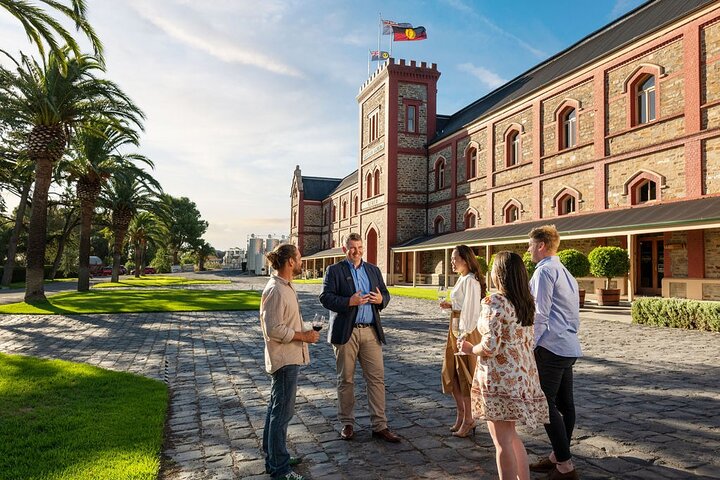
Private Château Tour and Tasting in Australia
From A$65 · Price checked: Aug 2026
Best for: visitors who want the Barossa's founding history and the stories behind the estate told by its own cellar door hosts.
Not for: drinkers who just want to taste and move on, as the day leans on three centuries of history.
Explore the Birthplace of the Barossa as our Cellar Door hosts take you on a journey through three centuries of history. Learn more about the secrets, the risks taken by the people that established…
Check availabilityExternal booking on Viator · pricing and cancellations handled by Viator
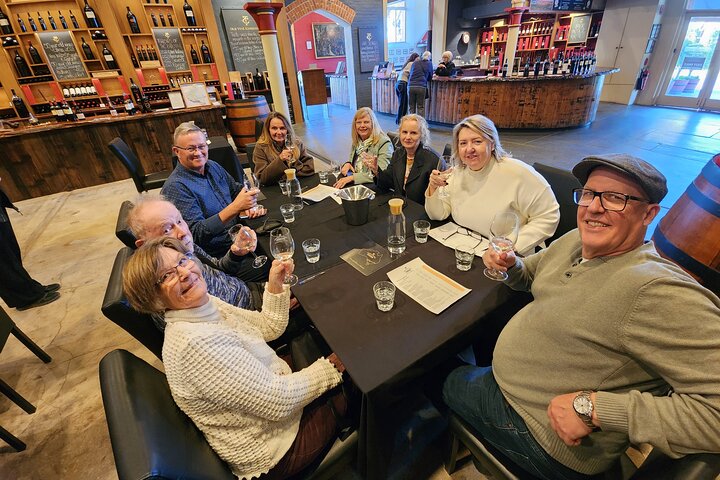
Barossa Sightseeing, Food and Wine Premium Small Group Tour
From A$360 · Price checked: Aug 2026
Best for: wine lovers who want more of the Barossa than cellar doors alone, run by a locally owned operator.
Not for: tasters wanting a single-minded winery run, since the day also makes room for the wider landscape.
Perfect for wine lovers and those wanting to see more of what the Barossa has to offer! Locally owned and operated business. The Barossa Valley awaits with its rich flavors and beautiful landscapes…
Check availabilityExternal booking on Viator · pricing and cancellations handled by Viator
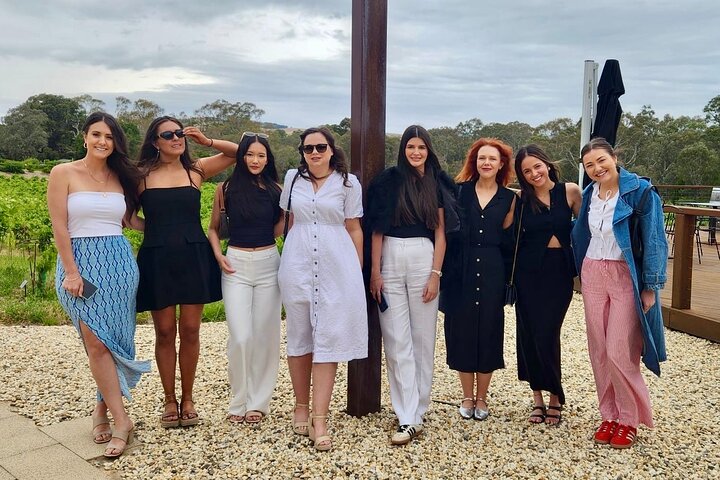
Discover Barossa: 4 Wine Tastings, Gourmet Lunch, and Lesser-known spots
From A$150 · Price checked: Aug 2026
Best for: tasters who want longer conversations at family-run Barossa estates rather than queueing at the marquee names.
Not for: first-timers set on ticking off the famous Barossa labels, since this deliberately skips the big names.
Head out from the hustle and bustle of Adelaide for a relaxing day spent sampling the wines of the Barossa Valley in a shared bus tour with a focus on premium wineries and gourmet dining, we strive…
Check availabilityExternal booking on Viator · pricing and cancellations handled by Viator
Barossa and Hahndorf Wine Tasting and Sightseeing Tour
From A$220 · Price checked: Aug 2026
Best for: first-time Adelaide visitors wanting Hahndorf, the Adelaide Hills and the Barossa sampled together on one sightseeing day.
Not for: wine specialists after depth, since twenty-four passengers and two regions leave little time at any single cellar door.
Small groups are defined as 24 passengers or less.) Get a taste of two of Adelaide's great regions. Hahndorf and Barossa travelling through the beautiful Adelaide Hills on Sightseeing Tour. Start…
Check availabilityExternal booking on Viator · pricing and cancellations handled by Viator
Frequently Asked Questions
What is the best season to visit Barossa Valley?
Winter (June to August) is the best season for wine travellers who want personal attention from winemakers, open fires, and no crowds. Autumn (March to May) is best for harvest atmosphere and foliage. Summer is peak season with the worst heat and the biggest crowds.
Are Barossa Valley cellar door tasting fees refundable?
Most Barossa cellar doors charge $15 to $25 per person and refund the fee with a purchase of two or more bottles. Premium wineries like Penfolds and Henschke can charge more, and not all refund with purchase — always ask before you tast.
How far is Barossa Valley from Adelaide?
Barossa Valley is 60 to 75 minutes from Adelaide by car. Most wine tours include round-trip transport from the city, which is worth the cost if you plan to taste at more than two cellar doors.
Do Barossa wine tours run in winter?
Yes, but less frequently than in summer. Some operators drop to weekend-only schedules between June and August. Small group tours are more reliable in low season because they need fewer passengers to run.
What should I wear to a Barossa Valley wine tasting?
Layers are essential — cellar doors are air-conditioned even in summer. Dark clothing is recommended during harvest season (March to May) because grape juice is everywhere. Comfortable shoes are non-negotiabl.
How many wineries should I visit in a day in the Barossa?
Three or four cellar doors is a realistic day. Two with a long lunch is a great day. The region is spread out, and driving between wineries can take 20 minutes or mor.
Explore More
Related comparisons and guides: