Hunter Valley Costs — A Complete Guide
We earn a commission when you book through our links on Viator (PID None), at no extra cost to you. This is how we keep the site free. Learn more →
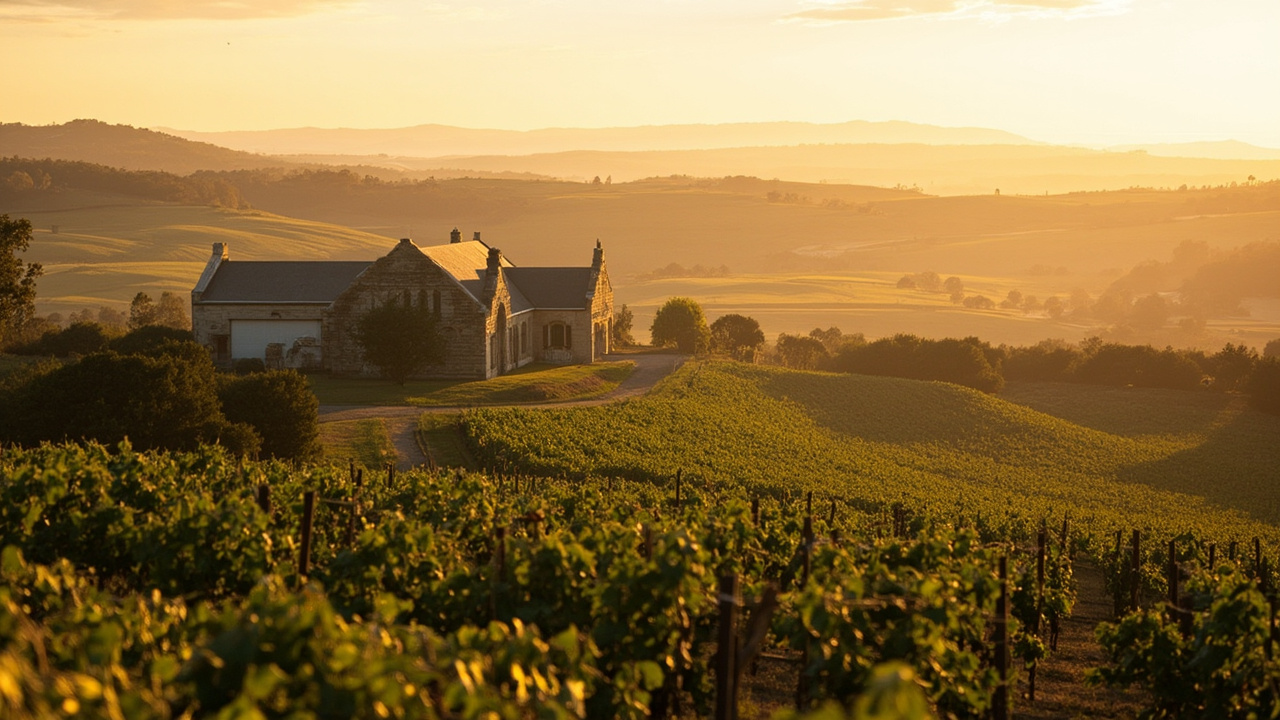
I Didn't Expect Vines & Plates to Feel Like This
I've spent the better part of a decade writing about Australian wine regions for the Halliday Wine Companion, and I'll be honest: I went into the Hunter Valley with a bit of an attitude. Everyone raves about it. Everyone says it's the oldest wine region in Australia, the birthplace of Semillon, a must-visit. I figured it would be fine. What I didn't expect was to be genuinely caught off guard by how much the place has changed since my first visit a decade ago.
The first thing that hits you is the drive. The Hunter Valley is roughly 2 to 2.5 hours from Sydney, and the F3 freeway is the main route. If you're not used to Australian driving conditions, the F3 can feel relentless — long stretches of dual carriageway, sudden speed limit changes, and a final approach through the Kurri Kurri industrial zone that makes you question whether you've taken a wrong turn. You haven't. Push through it, and the landscape opens up into rolling green hills that honestly look like they've been painted by someone who'd never actually seen a farm.
But here's what got me: the tasting fees. I remember when Hunter Valley cellar doors were mostly free, maybe $5 if you wanted the reserve list. Those days are gone. I paid $15 at one cellar door, $20 at another, and $25 at a third — and that's before you factor in the cost of actually buying a bottle you liked. If you're visiting six wineries in a day, you're looking at $90 to $150 in tasting fees alone. That's not a complaint; it's a heads-up. Budget for it.
I've been to the Hunter in February and in July. The difference isn't just the temperature — it's the crowds, the tasting costs, and whether you'll get a seat at the good restaurants without a booking. Summer in the Hunter is hot, and I mean properly hot. The region regularly hits 30 to 40 degrees Celsius between December and February, and the cellar doors get packed with tour buses. Winter is the quiet season, with temperatures dropping to 8 to 18 degrees, and that's when the red wines come into their own. I've sat by a fire at a cellar door in June with a glass of Hunter Valley Shiraz and wondered why anyone bothers coming in summer at all.
Chef-Led Hunter Valley Gourmet Food and Wine Day Tour from Sydney: The Tour That Saved My Trip
I booked Chef-Led Hunter Valley Gourmet Food and Wine Day Tour from Sydney on a whim after realising I didn't want to do the drive myself for the third time in a month. The tour picks you up from Sydney and handles the F3 for you, which is worth the price of admission alone if you've ever done that drive hungover. The chef-led angle isn't marketing fluff — the food stops are genuinely good, and the pairing structure makes sense. It's the kind of tour that works if you want to taste without worrying about designated drivers or navigation.
It's not for you if you're a hardcore wine nerd who wants to spend 45 minutes at each cellar door talking about soil composition. This tour moves at a comfortable pace, but it's a day tour, not a deep-dive. You'll hit the highlights, eat well, and get back to Sydney without feeling like you've spent the whole day in a van. For most people, that's exactly the right balanc.
The Moments That Made travel in Vines & Plates Worth the Trip
I've done this drive more times than I can count, and the moment that made it all click was a cold July morning at a small cellar door in the Broke Fordwich sub-region. The winemaker — a woman who'd been making wine in the Hunter for 25 years — poured me a Semillon that had been ageing in bottle for a decade. Hunter Valley Semillon is one of Australia's most age-worthy white wines, and drinking it at ten years old is a completely different experience to drinking it young. It's not a wine that hits you over the head; it's a wine that unfolds slowly, with a texture and depth that young Semillon can't touch.
That's the thing about the Hunter that surprised me most. The region's reputation rests on Shiraz, but Semillon is the real story. It's also one of the best value age-worthy whites in the world — you can buy a bottle of good Hunter Semillon for $25 to $40 and cellar it for a decade. Try doing that with white Burgundy.
Newcastle: Boutique Hunter Valley Wine Tour: A Lesser-Known Tour Worth Discovering
If you're staying in Newcastle rather than Sydney, Newcastle: Boutique Hunter Valley Wine Tour is the way to go. Newcastle is about 45 minutes from the Hunter Valley, and this boutique tour focuses on smaller producers that the big bus tours skip. I took it on a Tuesday in spring, when the crowds were thin and the cellar doors were happy to spend time with us. The smaller scale means you get more of the winemaker's attention, and the itinerary includes a couple of stops that aren't on the standard tourist trail.
Skip this one if you want the big-name wineries like Brokenwood or Tyrrell's — this tour deliberately goes smaller and more boutique. It's also not ideal if you're on a tight schedule, because the smaller cellar doors tend to be less organised about keeping to a timetable. But if you want a more personal experience and you're already in Newcastle, this is the on.
What Really Surprised Me About Vines & Plates
The cost of everything. I knew the Hunter had crept up in price, but I didn't appreciate just how much until I sat down and added it all up. A day in the Hunter Valley can easily run you $300 to $500 per person if you're doing it properly: transport, tasting fees at four or five wineries, lunch, and a few bottles to take home. That's not a cheap day out, and the tours that include transport and lunch start to look like better value than they did five years ago.
The Sydney Private Hunter Valley All Inclusive Wine and Food Tour (720 reviews — and it's the most-booked tour in the region for a reason) bundles everything into one price. It's not the cheapest option, but when you add up what you'd spend doing it independently — the drive, the petrol, the tasting fees, the lunch, the stress of navigating back to Sydney after a few glasses — the all-inclusive model starts to make a lot of sens.
What also surprised me was how much the region has leaned into food. The Hunter has always had good restaurants, but the last few years have seen a genuine shift. The cellar doors that used to offer a cheese plate now have proper kitchens, and the pairing menus are worth the money. If you're comparing the Hunter to other Australian wine regions, this is where it punches above its weight.
Celeste Blackwood's Insider Tips for Getting It Right
Here's what I've learned from years of visiting the Hunter, and from the mistakes I've made so you don't have to.
Book ahead in summer. The Hunter gets genuinely busy between December and February, and cellar doors that operate on a walk-in basis in winter are fully booked in summer. If you're visiting on a weekend, book your tastings two to four weeks ahead. I've been turned away from a cellar door in January because I didn't book, and it was a long drive back to Sydney with nowhere to tast.
Do the math on tours versus self-driving. The F3 is a slog, and the round trip from Sydney is five hours of driving. If you're visiting from interstate or overseas, a tour like the Chef-Led Hunter Valley Gourmet Food and Wine Day Tour from Sydney is worth every cent because it takes the driving off your plate. If you're local and you have a designated driver, self-driving gives you more flexibility — but factor in the tasting fees, which have crept up to $15 to $25 per cellar door.
Go in autumn or winter. Autumn (March to May) is harvest season, and the region is busy but not insane. The foliage is beautiful, and there's a buzz around the new vintage. Winter is quieter, cooler, and the red wines taste better by the fire. I've done the Hunter in all four seasons, and winter is my pick if you want actual conversation with winemakers instead of a crowded tasting room.
Don't skip the smaller sub-regions. Broke Fordwich, Pokolbin, and the area around the Hunter River all have different characters. The big-name cellar doors in Pokolbin are worth visiting, but the smaller producers in Broke Fordwich are where you'll find the interesting stuff — and the tasting fees are often lower.
What I Wish I'd Known Before I Went
I wish someone had told me to budget for tasting fees. I know that sounds obvious, but the creep from $5 to $25 per cellar door has been gradual, and it adds up faster than you expect. I also wish I'd known that the best Semillon isn't the one you taste at the cellar door — it's the one that's been ageing in the winery's library for a decade. Ask for the older vintages. They're often available at the same price or a small premium, and they're a completely different win.
I wish I'd known that the Award Winning Full Day Wine and Food Experience (110711P1) is the one to book if you want the full picture without the all-inclusive price tag. It's not the cheapest tour, but it covers more ground than the standard day tours, and the food stops are genuinely excellent. I've recommended it to friends who want a proper introduction to the region without being herded around.
And I wish I'd known that the Hunter isn't just a wine region — it's a food region that happens to make wine. The restaurants, the cheese producers, the olive groves, the chocolate makers — they're all part of the experience, and they're all worth your time and money. Don't skip lunch to fit in another tasting. The food is half the reason to go.
One more thing: if you're trying to decide between the Hunter Valley and the Yarra Valley in Victoria, my honest answer is that it depends on what you want. The Hunter is bigger, older, and more established, with a deeper bench of cellar doors. The Yarra Valley is closer to Melbourne (about 60 minutes from the CBD via the Maroondah Highway), and it does sparkling and Pinot Noir better. I've written a full comparison of the two regions here if you're torn. And if you're thinking about heading further afield, the Barossa Valley is a different beast entirely — it's 60 to 75 minutes from Adelaide, and the Shiraz is bolder, the Riesling from the Eden Valley is criminally underpriced, and the cellar door experience is more laid-back. I've covered the Barossa here.
For more on the Hunter Valley specifically, including winery-by-winery breakdowns and seasonal guides, start with my main Hunter Valley guide.


Hunter Valley Tours Worth Your Money
These are the tours I've assessed personally. They're listed in order of how I'd rank them for a first-time visitor.
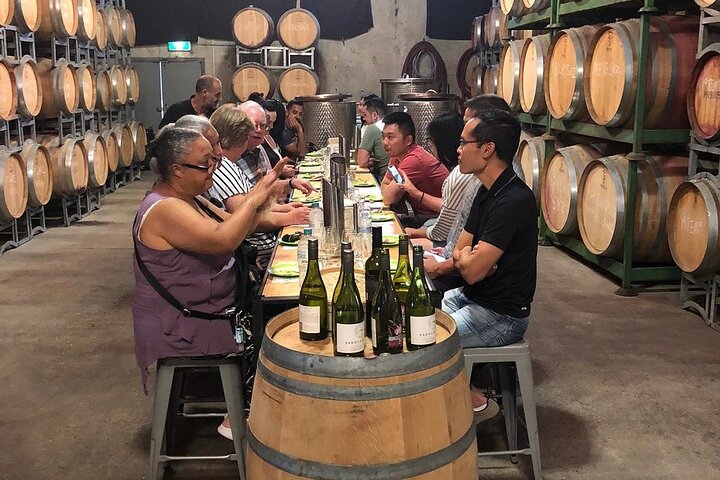
Chef-Led Hunter Valley Gourmet Food and Wine Day Tour from Sydney
From A$277 · Price checked: Aug 2026
Best for: food-led travellers who want the same qualified chef driving, guiding and framing every pour across the day.
Not for: people unwilling to spend two-plus hours each way from Sydney for a single seamless food-and-wine day.
This is not your average Hunter Valley wine tour. From the moment you leave Sydney, you’re hosted by a qualified chef who is also your driver and guide, creating a food-and-wine experience from…
Check availabilityExternal booking on Viator · pricing and cancellations handled by Viator
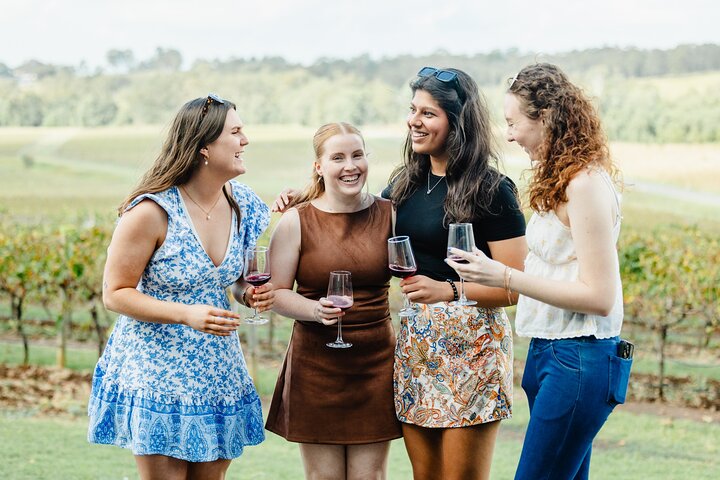
Newcastle: Boutique Hunter Valley Wine Tour
From A$229 · Price checked: Aug 2026
Best for: Newcastle-based visitors who want both famous Australian labels and family-run cellar doors in one small group.
Not for: Sydney travellers, since this small-group Hunter Valley day departs from Newcastle rather than the city.
Taste your way through the Hunter Valley, Australia's oldest wine region, on this small-group day tour from Newcastle. We've hand-picked a mix of famous Australian labels and family-run cellar doors…
Check availabilityExternal booking on Viator · pricing and cancellations handled by Viator
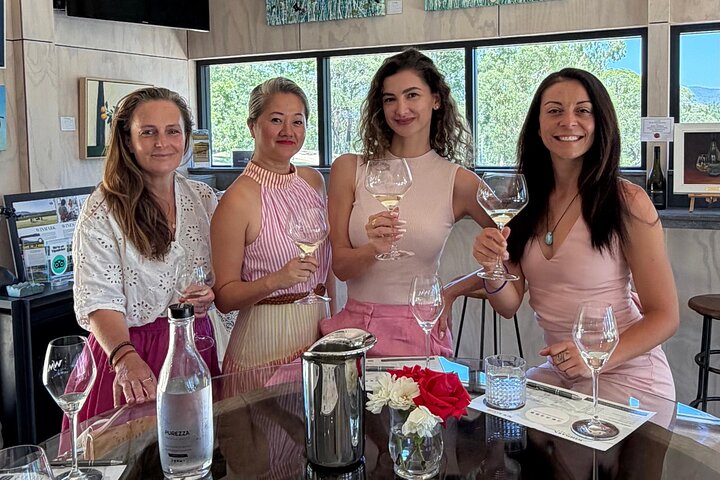
Sydney Private Hunter Valley All Inclusive Wine and Food Tour
From A$400 · Price checked: Aug 2026
Best for: serious tasters who want a WSET-certified host building the day around their own wine styles and interests.
Not for: casual drinkers or last-minute bookers, since the format depends on a pre-tour conversation about your preferences.
Discover the Hunter Valley with a WSET certified wine host on a private experience curated entirely around you. Before your tour, we'll get to know your favourite wine styles, interests, and travel…
Check availabilityExternal booking on Viator · pricing and cancellations handled by Viator
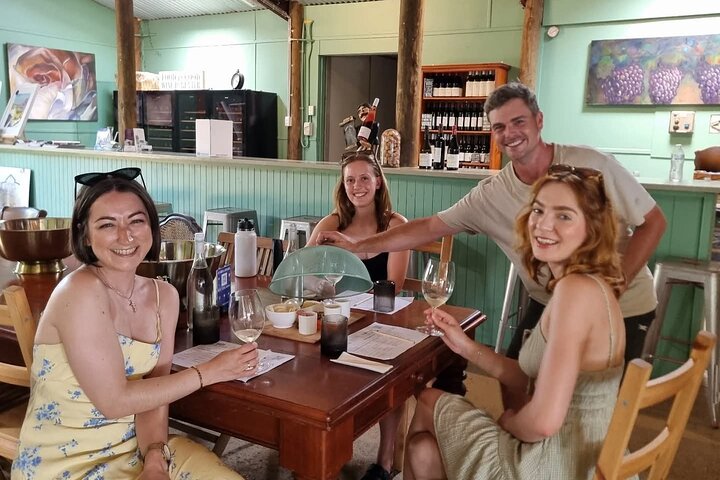
Award Winning Full Day Wine and Food Experience
From A$230 · Price checked: Aug 2026
Best for: visitors who want a full day at Hunter Valley boutique cellar doors rather than the big-name production wineries.
Not for: anyone with only a spare morning, since this is a full-day tasting itinerary two hours from Sydney.
Travel with the highest award winning tour service in the Hunter Valley Join us on our full day wine tasting experience where you will enjoy visiting local Hunter Valley boutique cellar doors.…
Check availabilityExternal booking on Viator · pricing and cancellations handled by Viator
Frequently Asked Questions
How much does a day in the Hunter Valley actually cost?
A full day in the Hunter Valley will run you $300 to $500 per person if you're doing it properly — that's transport, tasting fees at four or five cellar doors ($15 to $25 each), lunch, and a couple of bottles to take home. All-inclusive tours bundle these costs into a single price, which often works out better value than DIY.
Is it cheaper to self-drive or take a tour from Sydney?
If you have a designated driver, self-driving gives you more flexibility, but the F3 freeway round trip is five hours of driving, and tasting fees still apply. Tours from Sydney take the driving off your plate and often include lunch and tastings in the price. For most visitors, a tour is better value once you factor in the cost of your time and the stress of navigating back after a few tastings.
What's the best time of year to visit the Hunter Valley?
Autumn (March to May) is harvest season, with beautiful foliage and a lively atmosphere. Winter (June to August) is quieter, cooler, and the red wines taste better by the fire. Summer (December to February) is peak season — hot, crowded, and you need to book cellar door tastings two to four weeks ahead for weekends.
What should I budget for tasting fees?
Tasting fees in the Hunter Valley have crept up to $15 to $25 per cellar door, and some premium lists cost more. If you're visiting six wineries in a day, expect to spend $90 to $150 on tastings alone. Some cellar doors waive the fee if you buy a bottle, but don't count on it.
Is the Hunter Valley worth visiting if I'm not a wine person?
Yes — the Hunter has become a serious food region. The restaurants, cheese producers, olive groves, and chocolate makers are all worth the trip, and the cellar doors now offer proper pairing menus rather than a token cheese plate. The wine is the draw, but the food is half the reason to go.
How far is the Hunter Valley from Sydney and Newcastle?
The Hunter Valley is roughly 2 to 2.5 hours from Sydney via the F3 freeway. Newcastle is about 45 minutes to an hour away, which makes it a practical base if you want to avoid the Sydney traffic and stay closer to the region.
Explore More
Related comparisons and guides: