Cellar Door Tours — A Complete Guide to Getting It Right in Australia
We earn a commission when you book through our links on Viator (PID None), at no extra cost to you. This is how we keep the site free. Learn more →
I Didn't Expect Vines & Plates to Feel Like This
I've spent the better part of a decade driving between Australian cellar doors — the Barossa, McLaren Vale, the Yarra Valley, Margaret River — and I'll tell you straight: most wine tour guides get the fundamentals wrong. They talk about "iconic wineries" and "premium experiences" without telling you the things that actually matter. Like the fact that cellar door tasting fees in the Barossa have crept up to $15–25 per person, or that some tours serve a cheese platter and call it lunch.
My first proper cellar door tour was a disaster. I booked a full-day Barossa tour through a hotel concierge, paid a premium, and spent four hours on a bus with 40 people, hitting cellar doors that poured the same two wines at every stop. By the time we got to lunch — a sad sandwich box eaten standing up — I'd decided the whole category was overrated. It took another two years before I gave wine tours another shot, and this time I did it properly.
The difference was the tour format. I booked Barossa Wine Tour - Max 6 guests incl Chef's Menu Lunch with wine — a small-group Barossa wine tour capped at six guests — and it completely changed how I think about cellar door touring. The operator picked me up from my hotel in Tanunda at 8:15 AM, which is the single most important logistical decision of any wine tour. We hit our first cellar door at 9:30, before the tour buses arrived, and the pourer actually had time to talk us through the range. By 11 AM, the cellar door was packed with a 40-person coach group, and we were already on our way to the second stop.
Here's the thing about cellar door tours that most guides won't tell you: the format matters more than the wineries. A small-group tour with a good operator will show you better cellar doors than a big bus tour visiting "iconic" names. The small operators have relationships with the winemakers. They'll take you to a family-run operation in the Eden Valley that doesn't advertise, where the fifth-generation winemaker pours you a Riesling that's been ageing in the bottle for a decad.
Skip this tour style if you're after a party bus. If you want to taste through 30 wines in an afternoon with a group of strangers, a big-group tour delivers that. But if you want to understand what the Barossa actually produces — and taste the wines that don't make it to export — the small-group format is the only one worth your money.
Barossa Wine Tour - Max 6 guests incl Chef's Menu Lunch with wine: The Tour That Saved My Trip
This is the tour that changed my mind about the entire category. The 8-hour itinerary (480–540 minutes) hits four cellar doors plus a chef's menu lunch with wine matching, and the group size cap of six means you're never waiting for someone to finish their tasting. The lunch alone is worth the booking — it's a proper sit-down meal with wine pairings, not a cheese platter masquerading as lunch.
If you're trying to decide between the Barossa and McLaren Vale for a cellar door tour, the answer depends on one question: do you want bold reds and big-name wineries, or do you want Grenache and a Mediterranean lunch where the winemaker pulls up a chair? The Barossa delivers the former, and this tour is the most efficient way to experience it. I've done this drive enough times to know that the 7:30 AM departure from Adelaide is brutal, but it's the only way to beat the crowds. The 9 AM start from Tanunda is a cheat code nobody talks about.
The Moments That Made travel in Vines & Plates Worth the Trip
Last October, I was on a tasting bench at a small Barossa cellar door when a couple from Hamburg asked me what they should order for lunch. They'd booked a half-day tour that promised "gourmet lunch" — and it turned out to be a pre-packaged platter of supermarket cheese and crackers. I'd seen this happen a dozen times. The tour operators who include lunch in their price almost always cut corners on the food. The ones who leave lunch up to you, or partner with actual restaurants, deliver a completely different experienc.
The best cellar door tour moment I've had in Australia wasn't at a famous winery. It was at a small operation on the edge of the Eden Valley, where the winemaker pulled a 15-year-old Riesling out of the back of the cellar and poured it for us without being asked. That's the kind of moment that makes cellar door tours worth the money — and it's the kind of moment that only happens when you're on a small-group tour with an operator who knows the region.
Private Château Tour and Tasting in Australia: A Lesser-Known Tour Worth Discovering
Most visitors to the Barossa don't realise there's a private château-style tour available — a 55-minute experience (the shortest tour on this list) that takes you through a single estate's history, vineyard, and cellar with a dedicated guide. It's not the kind of thing you'd book as your only cellar door experience, but it's an excellent addition if you're spending multiple days in the region.
The format suits travellers who want depth over breadth. Instead of rushing through four cellar doors in an afternoon, you spend an hour understanding one property — its soils, its winemaking philosophy, the vintage variation that makes one year's shiraz different from the next. Skip this if you're on a tight schedule and want to cover ground; it's a slow, deliberate experience. But if you've got the time, it adds a layer of understanding that a standard tasting won't give you.
For a broader look at the region, I'd also point you toward the Barossa Sightseeing, Food and Wine Premium Small Group Tour — a premium small-group tour that covers the Barossa's food and wine scene in a single day. The 540-minute itinerary includes multiple cellar doors, a proper lunch, and stops at under-the-radar spots you won't find in the guidebooks. It's a different beast from the private château tour — more ground, more variety, less depth at any single stop. Both have their plac.
What Really Surprised Me About Vines & Plates
The biggest surprise wasn't the wine — it was the economics. Barossa cellar door tasting fees now run $15–25 per person, and they're often refundable with a purchase. That sounds reasonable until you realise the staff are paid hourly plus commission, which means they're incentivised to upsell. The first pour is almost always the most expensive bottle in the range, and the conversation is engineered to steer you toward the premium tier.
I've watched this play out dozens of times. A couple walks in, says they're looking for "something nice," and within ten minutes they've been guided to a $90 bottle of shiraz when a $35 option would have suited them better. The refundable tasting fee is the tell — the cellar door is counting on you buying enough to cover the tasting cost and then som.
Another surprise: Eden Valley Riesling is the Barossa's most underpriced category. Producers like Pewsey Vale make Rieslings that age for 15+ years, and you can taste them at cellar door for a fraction of what comparable white wines cost in other regions. It's the wine that locals drink and visitors overlook, and it's worth seeking out on any cellar door tour.
And here's a fact that surprises most visitors: Penfolds Grange is not poured at the Barossa cellar door at all. The Grange tasting happens at Magill Estate in Adelaide, and it books out 4–6 weeks ahead. If you want to taste Australia's most famous wine, you need to plan well in advance — and you need to go to the city, not the valley.
Cellar door hours in Australian wine regions are typically 10 AM–5 PM, with some closing earlier in winter. That sounds obvious, but I've seen tour operators pack four cellar door stops into a day that mathematically can't fit into those hours. The good operators know this and plan accordingly. The bad ones leave you standing outside a locked cellar door at 4:45 PM.
Not for you if you're not a wine person — honestly, if you're on a cellar door tour and you don't drink, you're paying for an experience you won't fully enjoy. Some operators offer non-alcoholic options, but the core of the experience is the tasting, and that's alcohol-focused.
Celeste Blackwood's Insider Tips for Getting It Right
Book the earliest departure slot. The 7–8 AM departures hit cellar doors before the crowds, and you get better attention from staff. I've done this enough times to know that the difference between a 9:30 AM tasting and an 11 AM tasting is the difference between a conversation and a conveyor belt.
Check what lunch is included. This is the most common mistake I see. Some tours serve a cheese platter and call it lunch. Ask specifically what the lunch consists of before you book. A proper sit-down meal with wine matching is worth paying extra for; a platter of supermarket cheese is not.
Ask about the refundable tasting fee. If a cellar door refunds your tasting fee with purchase, factor that into your budget. It changes the economics of a tasting — you're not paying $20 for the experience, you're paying $20 that you get back if you buy a bottl.
Consider the hop-on hop-off option. Hop-on hop-off wine tours let you choose your own cellar door stops and pace. They're not for everyone — you need to be comfortable navigating your own itinerary — but they're the most flexible option if you know what you want to se.
Check the seasonal calendar. Summer (December–February) is peak season, with temperatures hitting 30–40°C in the Barossa. Book 2–4 weeks ahead for weekends. Autumn (March–May) is harvest season — busy but beautiful, with foliage turning gold. Winter (June–August) is quiet, cooler (8–18°C), and the best time for red wine by the fire, but fewer tours operate. Spring (September–November) has wildflowers, moderate temperatures, and new vintage releases.
Skip the big bus tours. I've been on them, and I've never had a good one. The group size, the rushed tastings, the mediocre lunch — none of it delivers value. The small-group format costs more, but it's the difference between seeing the Barossa and just passing through it.
What I Wish I'd Known Before I Went
I wish someone had told me that the best cellar door tours don't advertise. The operators who run the small-group tours — the ones capped at six or eight guests — are often former winemakers or sommeliers who've pivoted to tourism. They know the region intimately, they have relationships with the cellar doors, and they'll take you places the big operators don't know exist.
I wish someone had told me about the tasting fee economics. I've paid $25 for tastings that were worth $5, and I've paid $15 for tastings that were worth $50. The fee doesn't correlate with quality — it correlates with the cellar door's marketing budget and its proximity to a tourist hub.
And I wish someone had told me about the Eden Valley. The Barossa gets all the attention, but the Eden Valley — a 30-minute drive up the hill — produces some of Australia's best Riesling, and it's virtually empty of tourists. If you're on a cellar door tour that doesn't include at least one Eden Valley stop, you're missing half the story.
One more thing: don't try to do too much. I've seen itineraries that pack six cellar doors into a single day, and every one of them ends with a group of exhausted, slightly drunk people who can't remember which wine came from which winery. Three or four cellar doors is the sweet spot. Anything more is diminishing returns.
If you're trying to decide between the Barossa and McLaren Vale, the answer depends on one question: do you want bold reds and big-name wineries, or do you want Grenache and a Mediterranean lunch where the winemaker pulls up a chair? The Barossa delivers the former. McLaren Vale delivers the latter. Both are worth a visit — just know which one you're booking before you commit.
According to Wine Australia, the Barossa Valley is one of Australia's oldest wine regions, with a history dating back to the 1840s. The Barossa Grape & Wine Association lists over 80 cellar doors in the region, and the show that the 2023 vintage delivered exceptional quality for both Shiraz and Riesling after a cool, dry growing season.
If you're planning a cellar door tour that covers both regions, consider basing yourself in Adelaide and doing a day trip to each. The city is 70 minutes from the Barossa and 45 minutes from McLaren Vale, and the hop-on hop-off options from the city are surprisingly good.
One more piece of advice: bring water. Cellar door tastings are deceptively dehydrating, and the combination of alcohol, warm weather, and no water will catch up with you by the third stop. The good tours have water bottles in the vehicle. The bad ones don't. Ask before you book.
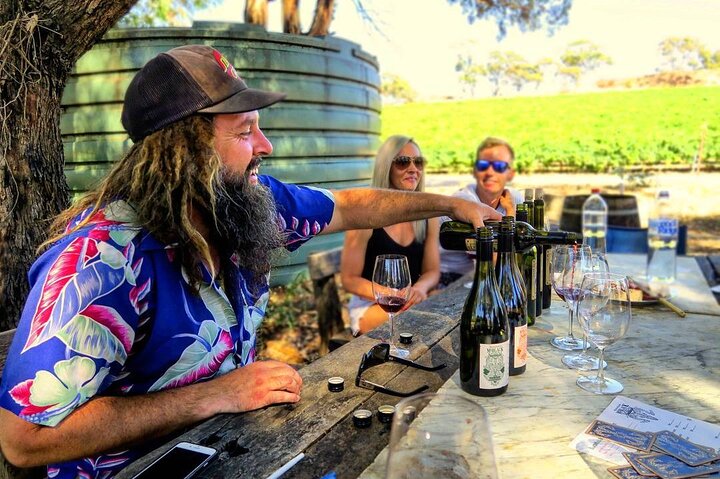
Barossa Wine Tour - Max 6 guests incl Chef's Menu Lunch with wine
From A$380 · Price checked: Aug 2026
Best for: tasters who want premium cellar doors with the tasting fees already paid and never more than six guests.
Not for: budget-conscious travellers, since capping the group at six and covering tasting fees carries a premium price.
This is premium small-group wine touring at it's best! Our very small groups have a maximum of 6 guests and we regularly depart with less. We visit premium wineries and pay the tasting fees, so you…
Check availabilityExternal booking on Viator · pricing and cancellations handled by Viator
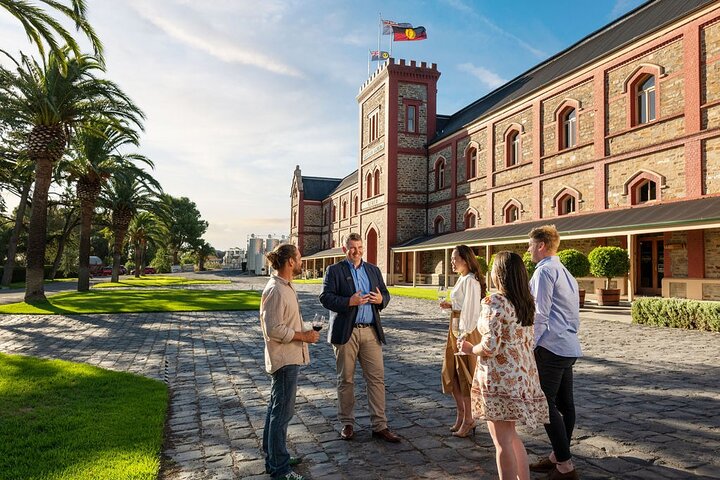
Private Château Tour and Tasting in Australia
From A$65 · Price checked: Aug 2026
Best for: visitors who want the Barossa's founding history and the stories behind the estate told by its own cellar door hosts.
Not for: drinkers who just want to taste and move on, as the day leans on three centuries of history.
Explore the Birthplace of the Barossa as our Cellar Door hosts take you on a journey through three centuries of history. Learn more about the secrets, the risks taken by the people that established…
Check availabilityExternal booking on Viator · pricing and cancellations handled by Viator
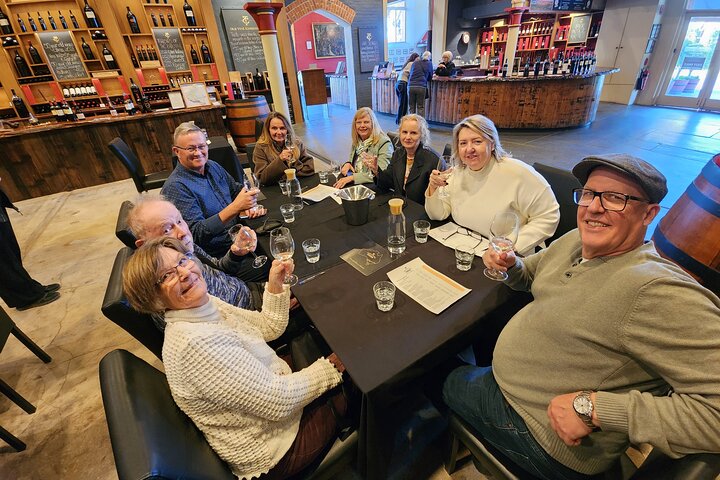
Barossa Sightseeing, Food and Wine Premium Small Group Tour
From A$360 · Price checked: Aug 2026
Best for: wine lovers who want more of the Barossa than cellar doors alone, run by a locally owned operator.
Not for: tasters wanting a single-minded winery run, since the day also makes room for the wider landscape.
Perfect for wine lovers and those wanting to see more of what the Barossa has to offer! Locally owned and operated business. The Barossa Valley awaits with its rich flavors and beautiful landscapes…
Check availabilityExternal booking on Viator · pricing and cancellations handled by Viator
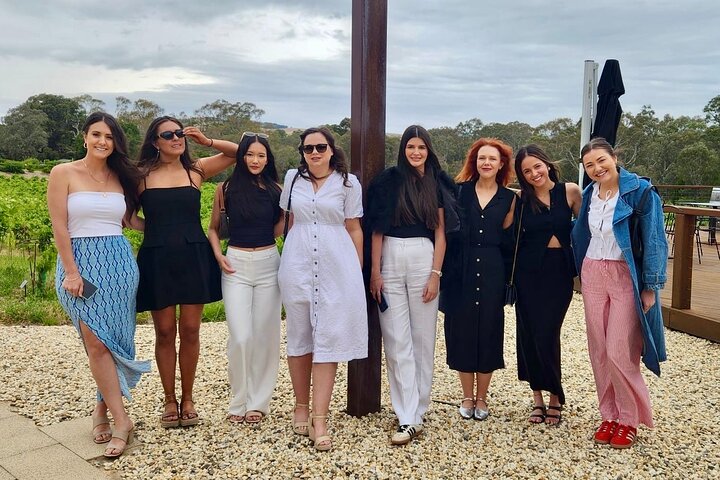
Discover Barossa: 4 Wine Tastings, Gourmet Lunch, and Lesser-known spots
From A$150 · Price checked: Aug 2026
Best for: tasters who want longer conversations at family-run Barossa estates rather than queueing at the marquee names.
Not for: first-timers set on ticking off the famous Barossa labels, since this deliberately skips the big names.
Head out from the hustle and bustle of Adelaide for a relaxing day spent sampling the wines of the Barossa Valley in a shared bus tour with a focus on premium wineries and gourmet dining, we strive…
Check availabilityExternal booking on Viator · pricing and cancellations handled by Viator
Frequently Asked Questions
What is the best time of year for cellar door tours in Australia?
Autumn (March–May) is the best time — it's harvest season, the weather is moderate, and you'll see the winemaking process in action. Summer is peak season with crowds and heat (30–40°C in the Barossa). Winter is quiet and good for red wine by the fire, but fewer tours operate. Spring offers wildflowers and new vintage releases with moderate temperatures.
How much do cellar door tasting fees cost in the Barossa?
Cellar door tasting fees in the Barossa range from $15–25 per person, and they're often refundable with a purchase. The fee doesn't correlate with quality — it correlates with the cellar door's marketing budget and proximity to tourist hubs.
What's the difference between a small-group and a big-bus wine tour?
Small-group tours (capped at 6–8 guests) deliver better attention from staff, access to family-run cellar doors, and proper sit-down lunches. Big-bus tours are cheaper but rush through tastings, serve mediocre food, and visit the same "iconic" wineries at every stop. The small-group format costs more but delivers a fundamentally different experienc.
Is Penfolds Grange available at the Barossa cellar door?
No. Penfolds Grange is not poured at the Barossa cellar door. The Grange tasting happens at Magill Estate in Adelaide, and it books out 4–6 weeks ahead. Plan well in advance if you want to taste Australia's most famous win.
How many cellar doors should I visit in a day?
Three or four cellar doors is the sweet spot. Anything more is diminishing returns — you'll be exhausted, slightly drunk, and unable to remember which wine came from which winery. The good tour operators know this and plan accordingly.
What should I look for when booking a cellar door tour?
Check what lunch is included — some tours serve a cheese platter and call it lunch. Ask about the departure time — earlier is better to beat the crowds. And ask about group size — anything over 12 guests means rushed tastings and a conveyor-belt experienc.
Explore More
Related comparisons and guides: